If you've been staring at zellige tile on Pinterest and wondering why it looks so good in one bathroom and sloppy in another, here's the short answer: the material is honest, but the install has to be too. I’ve pulled plenty of walls apart where the tile was beautiful and the substrate underneath was a mess. Handmade clay tile has charm, but it does not forgive crooked framing, bad waterproofing, or a setter who thinks grout will hide everything. Used in the right spot, it gives a room depth and warmth that machine-made tile can’t fake.
Where zellige tile earns its keep
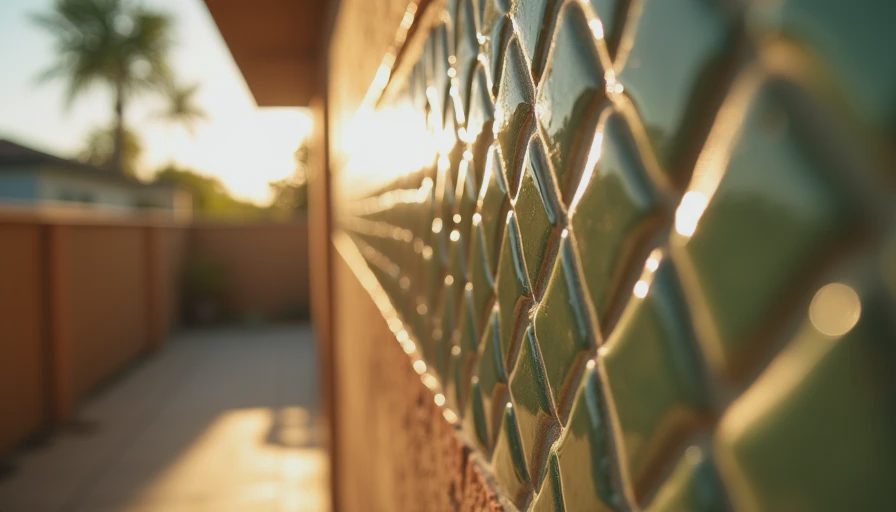
This is the kind of tile that looks best when the light hits it from the side. The uneven surface catches shadows, so the wall changes through the day instead of sitting there flat and dead. I like it on shower walls, tub surrounds, accent walls, and kitchen backsplashes. I do not love it on busy floors, especially in a house with kids, muddy shoes, or a dog that thinks every room is a racetrack.
There’s a reason the better installs use it where people actually notice the wall first. On a shower surround, the movement in the glaze makes plain white fixtures feel more expensive. On a backsplash, it can save a basic kitchen from looking like a builder special. If you want a clean modern look, it still works. If you want a smooth, perfect surface, this is the wrong material and you should stop pretending otherwise. I’ve seen it paired with Kohler fixtures, simple Delta trim, and plain quartz counters, and that combination usually beats the designer-overload version by a mile.
What drives the price up
Most homeowners hear “handmade tile” and picture a small premium. That’s not what happens. Real handmade clay tile often lands in the $20 to $50 per square foot range, and some imported lots run higher once freight, breakage, and markup get added. Labor is where the bill gets real. A plain subway-tile shower can be fast. A zellige wall with uneven edges, tighter layout decisions, and more fuss around corners takes longer, and that time shows up in the invoice.
If a contractor quotes you a suspiciously low number, ask what happens when the tile varies in thickness and size. Good setters spend time sorting, box by box, before the first piece goes on the wall. They may also need more waste on site, sometimes 10 to 15 percent, because chipped edges and color variation mean not every piece is usable in the same spot. That extra ordering is not padding. It is insurance against running short and getting stuck with a mismatched batch.
How to install zellige tile without regrets
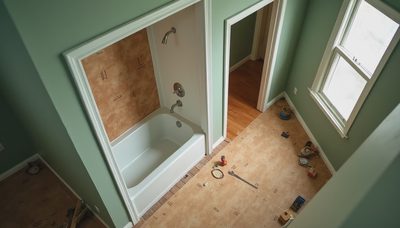
This is where zellige tile separates the pros from the people who watched three videos and think they’re ready. The wall has to be flat. Not pretty flat. Actually flat. If the substrate waves, the tile telegraphs every bump. On a shower, that means proper backer board, taped seams, and a waterproofing system that is already proven, like Schluter Kerdi, Laticrete Hydro Ban, or a comparable liquid-applied system installed correctly. The tile itself is not your waterproof layer.
Joint size matters too. A lot of these installs look best with narrow grout lines, often around 1/16 to 1/8 inch, but the setter has to respect the tile’s variation instead of forcing a fake-perfect grid. I’ve used Mapei and Ardex grouts on jobs like this, and either one can work when the color is right and the joints are clean. If the tile is very irregular, a slightly wider joint can save the whole look. Fighting the material is how you end up with a wall that looks busy instead of handmade.
Cleaning, sealing, and living with the finish
People get nervous because the glaze surface is glossy and the edges are not all identical. That does not mean the wall is delicate glass. It does mean you should clean it like a finished surface, not like a kitchen pan. Use a mild, pH-neutral cleaner. Skip vinegar, skip harsh acid cleaners, and skip anything that smells like it could strip a waxed floor. In a shower, a quick squeegee after use helps more than any miracle spray sold in a bottle with a fake spa label.
Sealer is not magic either. Depending on the grout and the exact tile, sealing can help with cleanup, but it will not turn a sloppy install into a good one. That’s why I tell homeowners to think about the whole wall system, not just the pretty surface. If you have old framing, a questionable alcove, or a shower pan that was already patched once, fix that first. A pretty wall over a bad base is still a bad wall.
When I would steer you toward something else
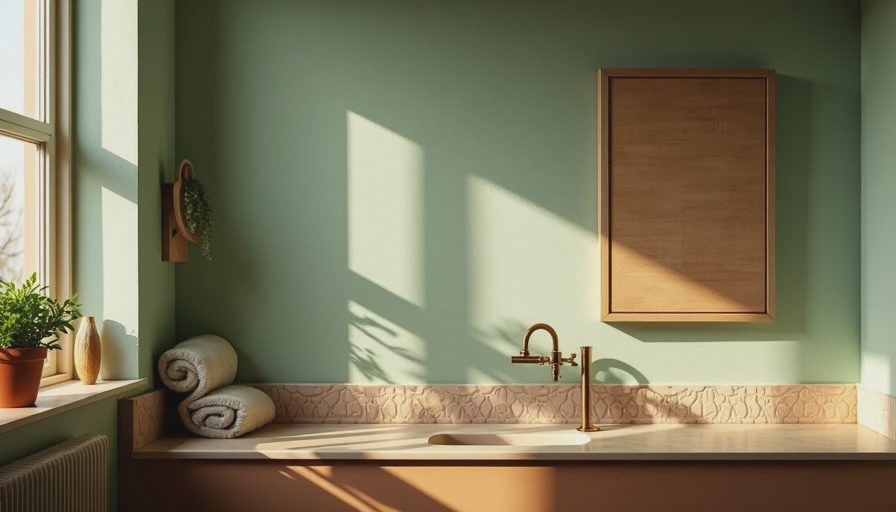
There are plenty of bathrooms where I’d talk you out of the real thing and point you to a zellige-look porcelain instead. If the room is tiny, the budget is tight, or the wall is going to take a beating, porcelain can give you 80 percent of the vibe for a lot less money and with less maintenance. Brands like Daltile, TileBar, and other mainstream suppliers all carry versions that mimic the soft edges and color shift without the same fragility.
I also steer people away from the material when they want a perfectly uniform hotel look. Handmade clay tile wants to look handmade. That means slight color shifts, slight edge variation, and a little personality in every box. If that makes you smile, great. If it makes you anxious, buy something else and sleep better. The smart play is matching the material to the room and the owner, not forcing a trend into a house that never asked for it.
If you want the look and you’re willing to pay for the prep, the install, and the patience, zellige tile is a strong choice. If you want perfect symmetry and zero fuss, save the idea for another room. A bathroom built right once is a bathroom you forget about. That's the point.

No notes yet — be the first to inscribe one.