Basement sealing sounds simple until water is standing beside the furnace and somebody is waving a caulk tube like it is a magic wand. I have seen plenty of homeowners spend $300 on coatings, sealants, and dehumidifiers, only to call a contractor the following spring. Good basement sealing starts by identifying where the water is coming from, then fixing that path instead of painting over the evidence.
In an older house, especially one built before 1980, the problem is usually a combination of aging mortar, poor grading, clogged gutters, and hydrostatic pressure pushing moisture through the foundation. The right repair might cost $150 for drainage work or $10,000 for exterior excavation. Those are very different jobs, and confusing them is how budgets get burned.
Start With the Water, Not the Product
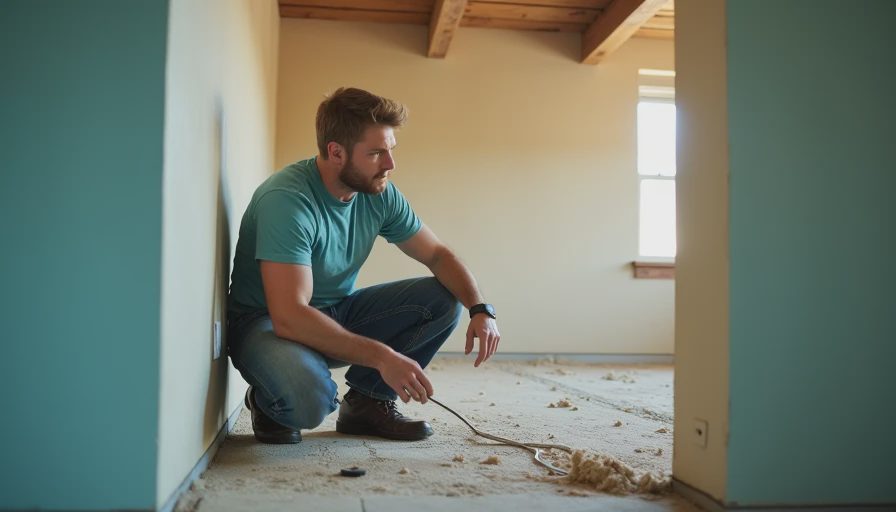
Walk the basement after a hard rain. Look for a white, powdery deposit called efflorescence. It means water has moved through masonry and left salts behind. A horizontal crack can point to settling or pressure, while a vertical crack is often less dramatic but still needs attention. Check around pipe penetrations, window wells, the wall-floor joint, and the sump pit.
Do not start by buying Drylok, hydraulic cement, or a roll of peel-and-stick membrane. Those products have legitimate uses, but none can overcome water entering under pressure. A coating can slow vapor transmission on a damp wall. It will not repair a failed footing drain or stop a foundation crack that is actively leaking.
I use a moisture meter as a clue, not as a final diagnosis. A cheap meter can tell you one wall is wetter than another, but it cannot explain why. Tape a square of clear plastic to the concrete for 24 hours. Condensation on the room side suggests humid basement air; moisture behind the plastic points toward the wall. That small test can prevent a very expensive wrong turn.
The First-Line Fixes Are Usually Outside
Before paying for basement sealing, inspect the gutters and downspouts. Downspouts should discharge several feet away from the foundation, not dump water beside it. Add extensions for $15 to $40 each, clean the gutters, and make sure soil slopes away from the house. A low spot beside the wall can send hundreds of gallons toward the foundation during one storm.
Window wells deserve the same attention. Remove leaves, confirm the drain is open, and replace a cracked cover. If the well fills like a bathtub, no interior paint will save that window. Regrading a small section of soil may cost a few hundred dollars. Exterior excavation, waterproof membrane, and drain repair can run $3,000 to $10,000 or more depending on access and foundation length.
For a block foundation, sealing the exterior is often the strongest long-term repair because it keeps water out of the wall. Excavation is dirty, loud work, but it addresses the pressure before moisture reaches the interior. Ask for photos of the exposed wall, the membrane product name, and how the contractor plans to handle the footing drain. If the estimate only says “waterproof foundation,” it is not detailed enough.
When Interior Basement Sealing Makes Sense
Interior work is not automatically a scam. It makes sense when exterior access is blocked by a driveway, porch, addition, property line, or mature landscaping. It also works well when the goal is managing seepage rather than pretending the foundation is dry forever.
A perimeter drain system directs water to a sump basin, where a pump sends it outside. A basic interior system may cost $4,000 to $12,000 for a typical basement, with more for multiple pumps, extensive demolition, or difficult concrete. The installer should explain where the drain runs, how the basin is sealed, and what happens during a power outage.
A battery backup is not decoration. A sump pump that quits during a thunderstorm is a wet-floor machine. Plan on roughly $300 to $800 for a battery backup setup, plus maintenance. Test the primary pump by pouring water into the pit, and replace a tired pump before it fails. I would rather spend $150 on a new pump than replace finished flooring after a storm.
Materials That Earn Their Place
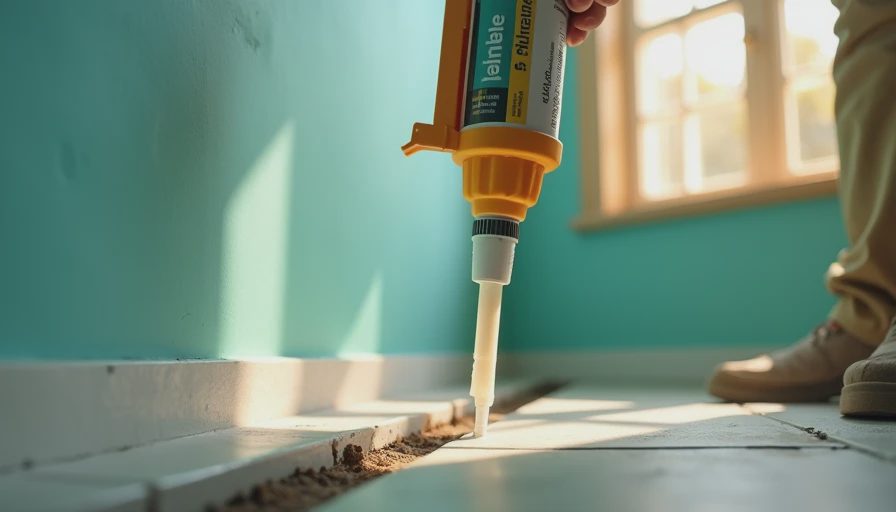
Hydraulic cement is useful for small, stable cracks and active trickles when applied to clean, properly prepared masonry. It is not a structural repair and should not be smeared across a moving crack. Polyurethane injection can seal some poured-concrete cracks from the interior, but the installer must understand the crack and the water path. Ask whether the repair includes ports, surface preparation, and a warranty that explains what is covered.
For damp block walls, a cementitious coating can reduce surface moisture when the wall is sound and prepared correctly. Brush off loose paint, remove efflorescence, and follow the manufacturer’s coverage rate. One thick sloppy coat is not better than two properly applied coats. Keep in mind that coatings do not solve foundation movement, saturated soil, or groundwater pressure.
Avoid finishing a wet basement with wood studs and drywall before the water problem is handled. That is how mold gets a private apartment behind the wall. Use moisture-tolerant materials where appropriate, leave access to shutoffs, and never bury a cleanout or sump lid under permanent flooring.
What a Fair Estimate Should Include
A useful basement sealing estimate names the source of water, the proposed repair, the materials, the linear footage, and the cleanup plan. It should distinguish between crack repair, exterior waterproofing, interior drainage, sump installation, grading, and mold remediation. “Lifetime protection” is marketing unless the written warranty clearly says what happens when water returns.
Get at least two estimates, but do not compare only the bottom line. One contractor may quote $1,200 for interior coating while another quotes $7,500 for drainage and a sump system. Those are not competing solutions. Ask each contractor what happens if the repair fails, whether permits are needed, and whether the crew carries liability insurance.
A small basement with one isolated leak might be handled for $500 to $2,000 after exterior drainage improvements. A basement with recurring wall-floor seepage and no functioning drain may need $5,000 to $15,000 in combined work. Prices vary by region and access, but those ranges are more realistic than a $99 “waterproofing inspection” that turns into a high-pressure sales pitch.
A Practical Order of Operations
Start outside: gutters, downspouts, grading, window wells, and surface drains. Then inspect the foundation during rain. Repair obvious cracks and pipe penetrations only after confirming they are the entry points. If water still appears along the wall-floor joint, price an interior drain and sump system. If several walls are wet or the foundation is bowing, bring in a qualified structural or waterproofing professional rather than guessing.
Photograph the problem before cleanup. Mark the height of water on the wall and record the date, weather, and pump operation. Those details help a contractor separate a one-time overflow from a recurring groundwater issue. They also give you something concrete to compare after the work is complete.
Do not let anyone promise a bone-dry basement with a bucket of paint. Proper basement sealing is a water-management plan: keep surface water away, relieve pressure, seal appropriate cracks, and provide a reliable exit for water that still gets in. A bathroom built right once is a bathroom you forget about. The same idea applies downstairs: fix the path, use the right material, and then stop thinking about it.


No notes yet — be the first to inscribe one.