Porcelain tile gets sold as the tough, worry-free answer to every bathroom problem. That is only partly true. The material is dense, handles water well, and comes in enough colors and sizes to make a showroom dizzy. But porcelain tile installed over a bad substrate is still a bad shower. After more than 400 bathroom renovations, I can tell you the installation matters at least as much as the box label.
For an older American home, especially one built before 1980, the real questions are simple: Is the floor or wall stiff enough? Is the waterproofing continuous? Can the framing handle the weight? Get those answers right and this tile can give you a bathroom that looks good for decades without requiring precious treatment.
What makes porcelain different from ceramic tile
Both materials are made from clay and fired in a kiln. Porcelain uses a denser blend and is fired at a higher temperature, so it absorbs less water than ordinary ceramic tile. The industry commonly classifies porcelain as tile with water absorption of 0.5% or less. That makes it a strong choice for shower walls, bathroom floors, and areas where splashing is routine.
That does not mean every porcelain tile belongs on every surface. A polished finish can become slick on a bathroom floor. A large twelve-by-twenty-four-inch piece can look clean on a wall but be a nuisance around a small shower niche. Rectified edges allow tight grout joints, but they also expose crooked walls and uneven installation. The material is hard enough to punish a cheap snap cutter, too.
I have used dependable lines from Daltile, American Olean, MSI, Marazzi, and Schluter's recommended tile systems. Brand names help, but they do not replace checking the actual tile for warping, shade variation, and chipped corners before it goes on the wall.

Where porcelain tile earns its money
On a shower wall, porcelain tile is a practical upgrade when you want low water absorption and a finish that will not need sealing. The grout still needs attention, especially cement grout, but the tile itself is not going to soak up shampoo and body wash. On a bathroom floor, through-body porcelain can also hide a small chip better than a colored surface tile because the material looks similar throughout its thickness.
The cost is usually higher than basic ceramic. For a standard tub surround, material might run $300 to $900, depending on format and brand. A small bathroom floor may need $250 to $700 of tile after allowing for roughly 10% extra waste. Labor often costs more than the product: a straightforward installation can run $1,000 to $2,500, while demolition, floor repair, waterproofing, niches, benches, and complicated layouts push the total higher.
Do not buy the cheapest box simply because it says porcelain. I have opened bargain cartons with inconsistent sizing that forced wider grout joints and slowed the job. Saving $150 on tile can cost several hundred dollars in extra labor. The prettiest sample in the store is not automatically the cheapest finished bathroom.
The installation details that prevent cracks and leaks
Waterproofing is behind the tile, not in the tile. For a shower, I want a properly prepared substrate and a tested waterproofing system. That might be a sheet membrane such as Schluter-KERDI, a liquid membrane such as RedGard used according to its instructions, or a compatible backer-board system. Cement board by itself is not waterproof. It is a suitable backing in many assemblies, but seams, corners, fasteners, and transitions still need treatment.
The framing must be flat enough for the chosen format. Large porcelain tile shows every hump in the wall. On a wood-framed floor, movement is the enemy, so the subfloor needs the right thickness, fastening, and often an uncoupling membrane. A tile installer should also use the mortar specified for the tile and substrate, comb it in one direction, and periodically lift a piece to confirm coverage.
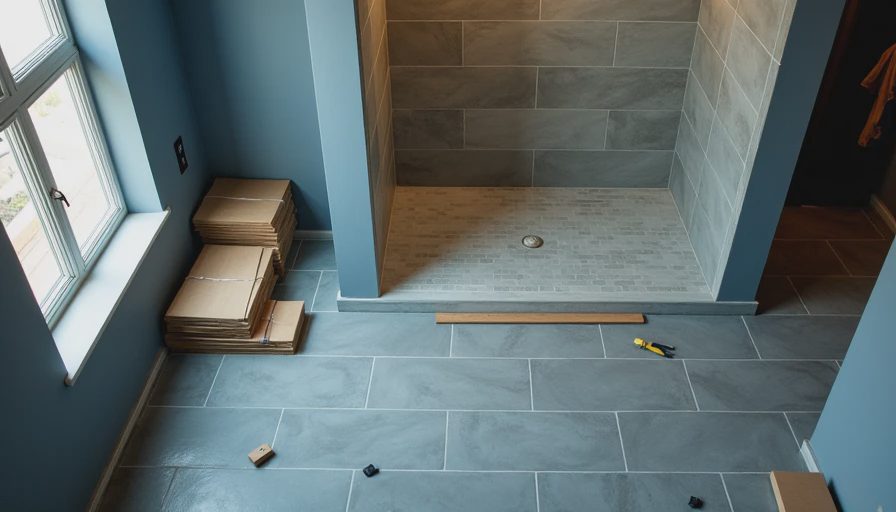
For a shower floor, smaller tile is usually smarter because it follows the slope to the drain. A two-inch mosaic can create a comfortable, grippy surface with manageable cuts. Large pieces belong on walls unless the room has a very carefully planned linear drain and a flat, properly sloped base. Never use a tile layout to hide a drain that was installed in the wrong place.
Choosing size, finish, and grout
A twelve-by-twenty-four format can make a cramped bathroom feel less busy because there are fewer grout lines. It also demands more careful wall preparation and handling. Subway-size pieces are more forgiving and easier to repair later. If you are working in a 1920s row house with walls that have been repaired three times, smaller tile often produces a straighter-looking result with less fighting.
For floors, look for a matte or textured finish and verify the product's slip-resistance information. A glossy wall tile can be beautiful, but I would not put that same finish under wet feet. Dark grout can reduce visible staining, though it may show mineral deposits in a hard-water area. Light grout makes a small room feel brighter but needs regular cleaning.
Use the recommended grout joint rather than forcing a tiny line for a more modern look. Tile size variation, lippage, and the manufacturer's instructions all matter. Cement grout is affordable and repairable, while premixed and high-performance grouts can simplify some jobs but cost more. Grout is not caulk: inside corners, changes of plane, and the tub-to-tile transition need a flexible sealant matched to the installation.
A realistic shopping and installation plan
Before ordering, measure each wall and floor separately. Subtract large openings, then add at least 10% for cuts, breakage, and future repairs. Buy from the same lot when possible. Keep one unopened box in a dry place after the project; a matching replacement five years later is far from guaranteed.
Bring home samples and look at them under bathroom lighting. A gray that looks warm beside the store's bright display can look blue beside an old white tub. Set the sample against the vanity, trim, and plumbing finishes before committing. I have seen homeowners reject an entire color after the first wall went up because the undertone fought the floor.
If hiring a contractor, ask what waterproofing system they use, how they handle movement joints, and whether the shower pan is flood-tested before tile covers it. Ask to see close-up photos of completed corners and niches, not just wide-angle showroom shots. A good installer can explain the method without hiding behind design vocabulary.
The bottom line on porcelain tile
Porcelain tile is a sound bathroom material, but it is not magic armor. It resists water, wears well, and gives you plenty of practical design choices. It will not correct a flexible floor, a leaking shower pan, a crooked wall, or a drain installed too high. Spend money first on framing, waterproofing, and preparation; then choose the finish and format that fit the room.
If the budget is tight, use a dependable mid-priced tile and put the savings into the installation. That is where bathrooms succeed or fail. A bathroom built right once is a bathroom you forget about. That's the point.

No notes yet — be the first to inscribe one.