A small bathroom remodel looks simple until you open the wall and find galvanized plumbing, soft subfloor, and three generations of questionable repairs. I have seen all of it. The room might only measure 5 by 8 feet, but every inch matters, and one bad decision can turn a $12,000 project into a $20,000 mess. The smart approach is to solve layout, water, ventilation, and storage before worrying about finish colors.
Start With the Layout, Not the Pinterest Picture
For a small bathroom remodel, keep the toilet, sink, and shower close to their existing locations whenever the layout is serviceable. Moving a toilet often means changing the drain line, cutting into the floor, and opening the ceiling below. In an older row house, that can add $1,500 to $3,500 before you buy a single fixture.
Measure the room, door swing, window, vent, supply lines, and toilet centerline. A compact wall-hung or 18-inch-wide vanity can create more walking space than a standard 24-inch cabinet. A sliding shower door can help, but a properly sized curtain is cheaper, easier to clean, and often gives you more usable elbow room.
Do not shrink the shower so far that nobody can turn around. A 30-by-60-inch tub or shower footprint is still the practical baseline in many homes. If you can gain six inches by changing the door swing or removing a linen cabinet, take that space there instead of making the shower miserable.
Where the Budget Actually Goes
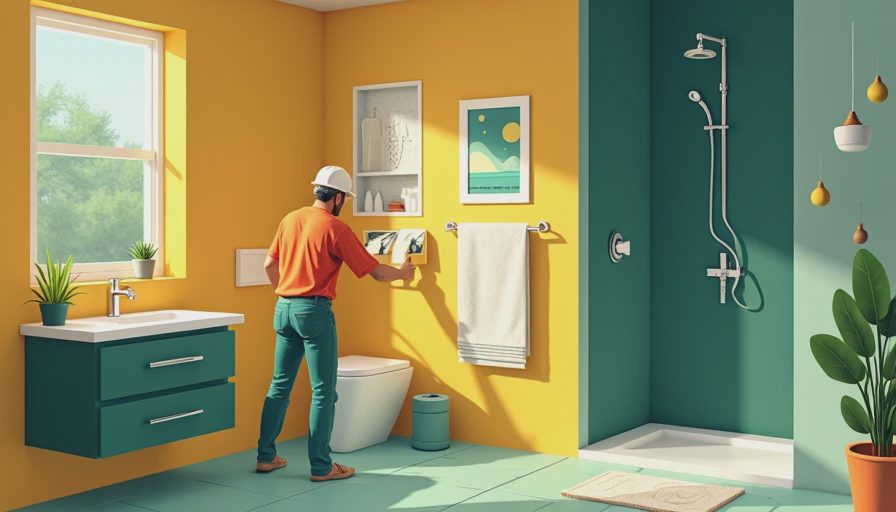
A realistic small bathroom remodel in an older American home often lands between $10,000 and $22,000 when a licensed plumber handles the rough work and a competent tile setter handles waterproofing and tile. Cosmetic work with no plumbing changes can come in lower. Hidden damage, electrical corrections, or a full layout change can push the number higher quickly.
Plan your budget in four buckets. Rough plumbing and electrical can run $2,000 to $5,000. Shower preparation and waterproofing commonly cost $1,200 to $3,000 before tile. Fixtures, vanity, toilet, lighting, and accessories might total $2,000 to $6,000. Labor and disposal fill the remaining space, especially when demolition reveals multiple layers of flooring.
Spend money behind the tile before spending it on designer hardware. A $900 faucet mounted over a shower with poor waterproofing is an expensive decoration on a future leak. If the budget gets tight, choose a basic white porcelain tile, a good toilet, and a reliable pressure-balancing shower valve. You can replace a mirror later. You cannot easily replace a rotted subfloor after the vanity is installed.
Waterproofing Is the Part You Cannot Fake
The most important part of a small bathroom remodel is the work you will never see. Cement board is not automatically waterproof. It is a stable tile backer, but water can pass through it. The shower needs a complete waterproofing system with sealed seams, protected fasteners, and properly treated corners and penetrations.
I have used Schluter-KERDI, Wedi, and USG Durock systems on real jobs. Each can work when installed according to its instructions. The failure usually happens when somebody mixes products, skips a band at the floor joint, or assumes tile and grout will stop water. They will not. Grout is not a shower liner.
A shower pan should have the correct slope toward the drain, generally about 1/4 inch per foot. The curb, niche, bench, and valve openings need the same attention as the main walls. Flood testing before tile is cheap insurance. If a contractor refuses to explain the waterproofing system or cannot tell you how the corners are sealed, keep interviewing.
Tile, Grout, and the Details That Age Well
For a small bathroom remodel, large-format tile can reduce grout lines and make walls look less busy, but it does not magically make installation cheap. A 12-by-24-inch tile needs flatter walls than a small mosaic. In an old house, flattening the wall may cost more than setting a smaller tile over a properly prepared surface.
Porcelain is my usual recommendation for floors because it is dense, durable, and available in sensible price ranges. Matte or lightly textured tile is safer under wet feet than glossy tile. Avoid overly slick polished tile on the bathroom floor, even if the showroom lights make it look sharp.
Use a quality cementitious grout or an appropriate premixed grout for the application. Epoxy grout can resist staining, but it costs more and is less forgiving to install. The key is a consistent joint, proper mixing, and enough cleanup before the grout hardens. Caulk changes of plane, including wall corners and the wall-to-floor joint. Those joints move; grout cracks there.
Fixtures Worth Buying and Places to Save
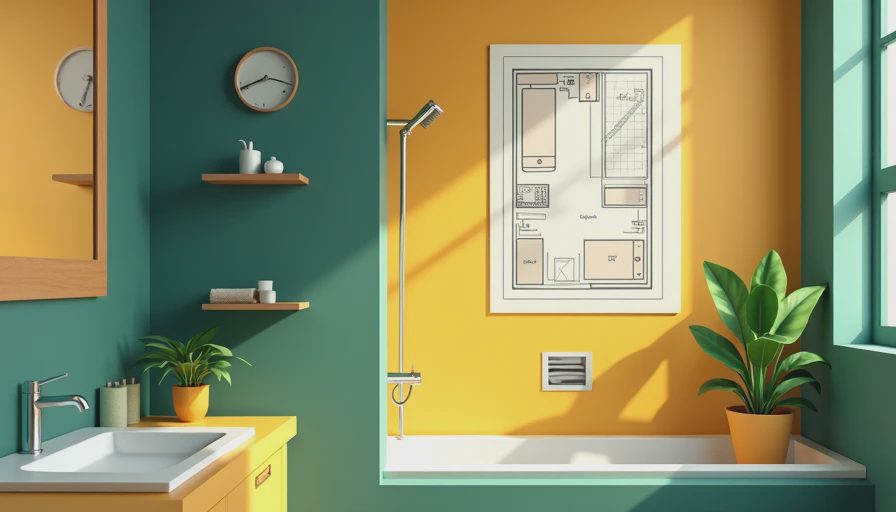
A small bathroom remodel does not need a $1,200 toilet. A dependable two-piece elongated toilet from Toto, American Standard, or Kohler is usually a better value than an unusual designer model with costly replacement parts. Confirm the rough-in measurement before ordering. The common 12-inch rough-in is not universal, especially in tight older bathrooms.
For faucets and shower valves, buy from a plumbing supplier or a manufacturer with replacement cartridges still available. Delta and Moen are common choices because parts are easier to find than for many showroom-only brands. That matters at year seven, when a dripping cartridge should be a $30 repair rather than a reason to replace the whole valve.
Use an exhaust fan that actually moves air and vent it outdoors, not into the attic. A quiet fan in the 80 to 110 CFM range is appropriate for many small bathrooms, but the duct length and bends affect performance. Put the fan on a timer switch so it runs after a shower. Good ventilation protects paint, grout, trim, and framing.
A Practical Order of Operations
A clean small bathroom remodel follows a predictable sequence. First, confirm the layout and order long-lead items such as the vanity, shower valve, toilet, and tile. Second, shut off utilities, protect adjacent rooms, and demolish carefully. Third, inspect framing and subfloor before closing anything. Replace damaged material now, not after tile.
Next, complete rough plumbing and electrical work, install the shower waterproofing system, and flood test the pan. Then install backer or waterproof panels, tile the walls and floor, grout, and caulk. Set the vanity, toilet, trim, lighting, mirror, and accessories after the messy work is finished. Take photographs of open walls and plumbing before they disappear; they are useful for future repairs.
Leave realistic time between stages. A bathroom is not ready because the tile looks dry. Thinset, grout, caulk, and paint each need the cure time specified by the manufacturer. Rushing those steps is how a clean-looking project develops loose tile or failed caulk within months.
How to Hire Without Getting Burned
Ask each contractor what waterproofing product they use, who installs it, and whether they perform a flood test. Request a written scope that identifies demolition, disposal, plumbing, electrical, tile preparation, waterproofing, fixtures, and finish work. A vague estimate is not a bargain; it is an unfinished conversation.
Get proof of insurance and verify licensing requirements that apply in your area. Avoid paying the full project price upfront. A reasonable payment schedule connects deposits and progress payments to completed milestones, with final payment after fixtures work, debris is removed, and punch-list items are finished.
If someone promises a complete remodel in three days, ask what happens to the waterproofing and cure times. The answer tells you everything. Good work is not glamorous. It is straight framing, sealed joints, level tile, working shutoffs, and a floor that does not squeak.
A small bathroom remodel succeeds when the boring decisions are handled first and the flashy purchases come second. Fix the water, keep the layout sensible, buy serviceable fixtures, and pay for skilled installation where failure would be expensive. A bathroom built right once is a bathroom you forget about. That's the point.


No notes yet — be the first to inscribe one.