Bathroom renovation cost is one of those numbers that gets thrown around like everybody is working with the same house, same plumbing, and same level floor. They are not. A small bathroom in a 1920s row house can cost more than a larger newer bathroom because the walls are crooked, the supply lines are tired, and somebody buried three generations of bad repairs behind the vanity.
I have renovated enough bathrooms to know where the money goes. A basic cosmetic refresh can land around $8,000 to $15,000. A proper full-gut remodel with new waterproofing, tile, fixtures, lighting, and plumbing commonly runs $18,000 to $35,000. High-end work can pass $45,000 without doing anything foolish. Those are useful starting points, not showroom fantasy.
The realistic bathroom renovation cost breakdown
For a standard 5-by-8-foot bathroom, labor often takes 40 to 60 percent of the budget. Demo, framing repairs, plumbing, electrical work, waterproofing, drywall, tile installation, painting, and trim add up quickly. In my area, a capable remodel crew may charge $8,000 to $16,000 in labor for a complete job, while plumbers and electricians can add another $2,000 to $6,000 depending on what is found.
Materials create the next big swing. A sensible package might include a $900 to $1,500 toilet, vanity, faucet, mirror, light, shower valve, trim, and accessories. Tile can cost $3 per square foot at a home center or $15 and up at a specialty showroom. That difference matters, but expensive tile does not make up for poor waterproofing. I would rather install a $6 tile over a properly built shower than a $20 tile over green drywall.
The bathroom renovation cost also rises when you move fixtures. Keeping the toilet, sink, and shower near their existing locations can save several thousand dollars. Moving a toilet across the room may require cutting concrete, changing drain slopes, relocating vents, and opening more walls than expected. The new layout might look better on paper, but a layout that keeps plumbing close is often where the smart money goes.
Where older bathrooms punish a thin budget
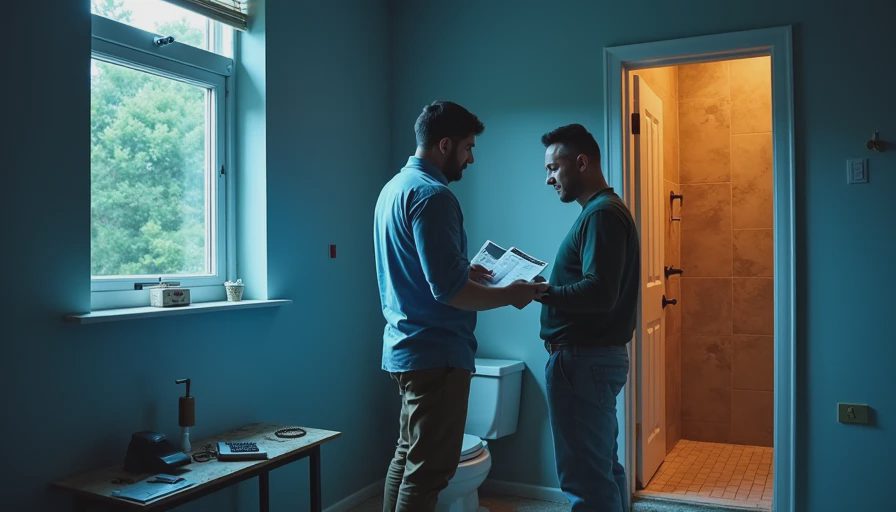
Older homes hide their invoices in the walls. I have opened bathrooms where a slow leak rotted the subfloor around the toilet flange. I have found galvanized supply pipes narrowed with rust, cast-iron drains packed with buildup, and shower walls built with ordinary drywall behind cracked tile. None of those problems appeared in the listing photos.
Set aside 10 to 20 percent for unpleasant discoveries. On a modest project, that means keeping $1,500 to $4,000 untouched until the walls are open. If the framing is sound and the plumbing cooperates, the money can go toward a better vanity or heated floor. If the flange is broken or the joists need repair, that reserve keeps the job moving instead of leaving a gutted bathroom unusable for three extra weeks.
One Fishtown row house job looked like a straightforward shower replacement. The owner expected to spend about $12,000. Behind the tile, the studs were bowed, the curb had no reliable waterproofing, and the subfloor had softened near the drain. The finished bathroom renovation cost came to about $19,000, but the extra $7,000 paid for repairs that would have caused another failure within a few years.
Waterproofing is not the place to save
A shower is a small room designed to handle constant water. That makes waterproofing more important than the tile, grout color, or brushed nickel finish. Cement board alone is not waterproof. It needs a properly installed membrane, sealed corners, protected fasteners, and a drain connection designed for that system.
I have used Schluter Kerdi, Wedi panels, and liquid-applied systems from reputable manufacturers. Each can work when installed according to its instructions. Kerdi is common and has a large network of installers. Wedi panels are light and fast but cost more per sheet. Liquid membranes can be useful around complicated details, but sloppy thickness or missed pinholes defeats the purpose.
Plan roughly $1,500 to $4,000 for shower waterproofing, shower pan work, backer materials, and labor within a complete remodel. That is money you will never admire after the job is finished. Good. A bathroom built right once is a bathroom you forget about. That's the point.
Fixtures, tile, and the showroom trap
A wall-hung toilet, imported stone slab, and $2,000 digital shower controller can make the bathroom renovation cost climb without improving daily life. Choose the parts that face abuse carefully. I like solid brass shower valves from Moen, Delta, or Kohler because replacement cartridges are generally available through plumbing suppliers and home centers. A bargain valve with a proprietary cartridge can turn a small repair into a wall-opening job.
For toilets, American Standard and Toto have dependable options across several price points. A $300 to $600 toilet can flush well and be easier to service than a decorative model costing twice as much. For faucets, buy from a plumbing supply house when possible. The model number may look similar to a box-store version while the internal parts and warranty support differ.
Tile is where homeowners often overspend first. Porcelain is durable, easy to clean, and available in convincing stone looks. Rectified tile can produce tight grout joints, but it demands flatter walls and a more careful installer. Large-format tile may reduce grout lines, yet it is not automatically cheaper because handling, cuts, and wall preparation take more time.
How to control the budget before demolition
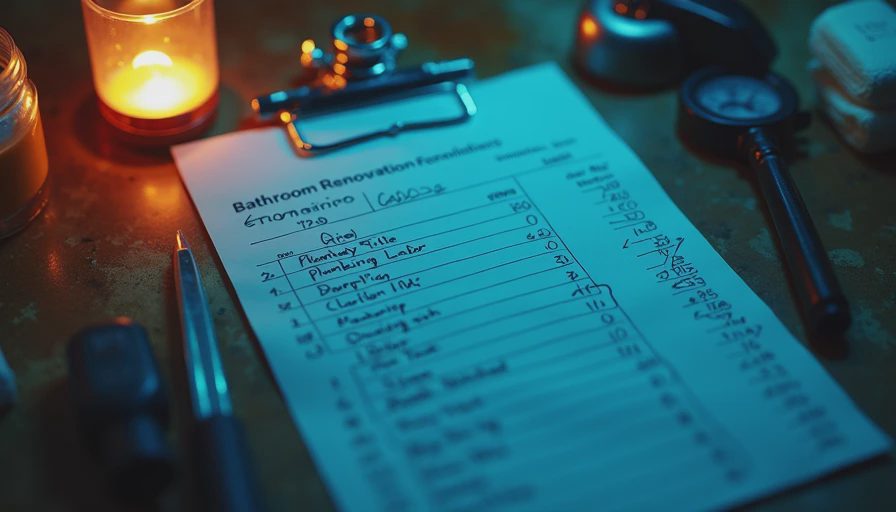
Start with a written scope, not a collection of screenshots. Write down the room dimensions, whether the layout stays, the number of recessed niches, the shower valve brand, tile square footage, trim style, lighting locations, and who supplies each fixture. Ambiguity becomes a change order once the crew is standing in a dusty room.
Get at least three detailed bids, but compare what each contractor includes. One quote may include demolition and disposal while another leaves those costs with you. Ask whether waterproofing is listed by product and method, whether floor leveling is included, and whether permits, inspections, protection of adjacent rooms, and final cleanup are part of the price.
Buy fixtures before the plumbing rough-in. A shower valve, vanity, toilet, or freestanding tub that arrives late can stop the entire schedule. Keep boxes, receipts, and installation instructions together. Also order 10 percent extra tile for cuts and future repairs. A discontinued tile is not a bargain when one cracked piece forces you to replace the whole wall.
What a fair quote should tell you
A fair bathroom renovation cost estimate should explain labor, materials, demolition, disposal, waterproofing, plumbing, electrical work, tile, paint, trim, permits, and allowances. An allowance is not a final price. If a quote includes a $1,000 tile allowance and your selected tile costs $2,000, the difference comes out of your pocket.
Be cautious with a very low bid that promises the same work as everyone else. If one contractor is $8,000 below the other two, something is probably missing: proper substrate preparation, licensed trade work, disposal, insurance, or enough labor hours. You do not need the most expensive contractor, but you do need someone who can explain the sequence from demolition through final caulk.
For many homeowners, the best value is a durable midrange remodel that keeps the plumbing layout, uses porcelain tile, installs a real waterproofing system, and spends money on ventilation and preparation. A quiet exhaust fan that actually removes moisture can protect paint, trim, and framing for years.
The bottom line on bathroom renovation cost
A realistic bathroom renovation cost for a complete small-bath remodel is usually $18,000 to $35,000, with cosmetic projects below that range and complex older homes above it. Keep the plumbing close, inspect the structure, insist on documented waterproofing, and do not let a fancy faucet distract you from a soft subfloor.
Ask a contractor to explain every major line before signing. If the answer is vague, the work probably will be too. Spend on what prevents leaks and makes repairs possible later; save on finishes that are easy to replace. That is how you get a bathroom that works hard without draining the family budget.

No notes yet — be the first to inscribe one.