If you're reading this, you've got a dark, damp space under your living room and a dream of a second bathroom. The cost to add bathroom in basement projects spans a wide range, and most online articles won't give you real numbers. After 400-plus bathroom remodels and a lot of basement concrete pours, I can tell you where the money goes and where to keep it under control.
What Actually Drives the Cost to Add Bathroom in Basement
Expect to spend between $15,000 and $40,000 for a finished basement bathroom with a shower. The biggest variable is plumbing. If your basement sits below the sewer main, like most older row homes and ranches, every drain has to be pumped uphill. That means an ejector pump basin, a buried discharge line, and a licensed plumber.
The cost to add bathroom in basement projects typically breaks down like this: plumbing rough-in takes 30-40% of the total. Concrete cutting and patching runs 15-20%. Framing, drywall, and finishes make up the rest. A half-bath with toilet and sink can come in around $12,000 to $18,000. Add a shower and you're looking at $25,000 on the low end.
Plumbing Rough-In Is Your Biggest Line Item
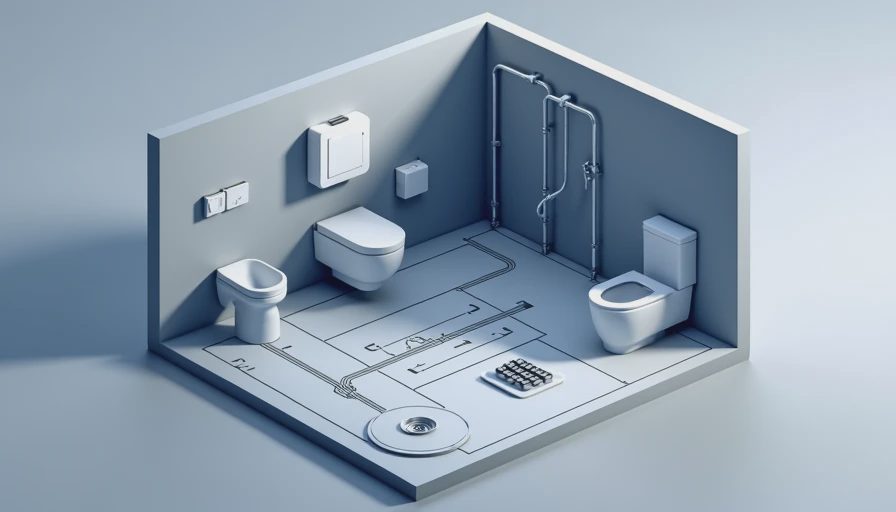
If you're pricing out the cost to add bathroom in basement, the first number to chase is the plumbing bid. A plumber has to tie your new bathroom into the existing soil stack or run a new line to the ejector pit. That means jackhammering concrete, digging a trench, and laying 3-inch PVC pipe at the right slope.
Expect to pay $3,000 to $7,000 for rough-in labor and pipe, depending on distance from the stack. The ejector pump assembly adds $800 to $1,500 for parts. I've installed Liberty and Zoeller pumps for years. They cost more upfront but last far longer than a no-name builder special. If your basement has an existing floor drain, you might save a little, but don't assume it can handle a toilet line.
Don't try to shortcut this part. A macerating toilet works for a half-bath, but a shower and toilet will shred those units. Spend the money once.
Concrete Work, Framing, and Waterproofing
Once the trench is dug, concrete repair runs $1,200 to $3,500. That covers cutting out the slab, pouring new concrete, and leveling it for tile. Some guys patch with a bag of mix and call it done. That's how you get a cracked floor and a weepy toilet later.
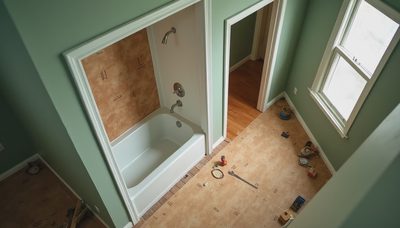
Then you need walls. Pressure-treated bottom plates, 2x4 framing, and moisture barriers run $1,500 to $2,500 in materials and labor. Insulation and cement board behind tile add $800 to $1,500. And unless your basement is bone dry, deal with water problems first. There's no point installing a $6,000 bathroom that turns into a hobby pool in April.
Fixtures, Tile, and Finishes
This is where you have the most control. A basic toilet runs $200. A solid Delta or Moen shower valve costs $150 to $250. You do not need a $1,000 digital shower system. I've pulled apart 20-year-old Delta 600 series faucets that still work with new washers.
Tile prices vary wildly. A simple white ceramic tile at $2 per square foot covers a shower wall for maybe $400. Hand-made zellige tile runs $15 per square foot before installation. The labor to set small tile costs double what a large-format porcelain costs. On a budget, go with 12x24 porcelain and a prefabricated shower pan rather than a custom mud bed. That saves $1,000 and still gives you a leak-resistant shower.
Buy the toilet and shower valve before you sign a bid. I've seen contractors mark up a $300 toilet to $800 if you let them pick it out. Supply your own mechanicals and you control the actual cost.
Permits and Code Requirements
Basement bathrooms involve plumbing, electrical, and building permits. In most municipalities, expect to pay $250 to $600 in total. If your contractor won't pull permits, that's a red flag. Inspectors check venting, the ejector discharge line, and electrical grounding. In many cities, the discharge pipe has to run in a separate conduit and exit through the exterior wall. These codes protect your basement from sewage backup.
Skipping the permit can get you a stop-work order, a fine, and a deal breaker when you sell your house.
What One Basement Bathroom Cost in South Philly
I remodeled a row house basement in Fishtown last spring. The space was 800 square feet, with a 4-inch concrete slab and a sewer main on the opposite side of the house. We installed a full bathroom with a 36x36 shower, vanity, and toilet. The total: $28,400. Plumbing rough-in with ejector pump was $7,200. Concrete work was $3,800. Framing and drywall $4,500. Tile and installation $5,800. Fixtures $2,600. Electrical $2,100. Permits $450.
That's not unusual. If we'd used a prefab shower base and skipped the custom tile bench, we would have saved $3,000. But they wanted the real tiled shower, and it was worth it.
How to Get Accurate Bids and Cut Costs
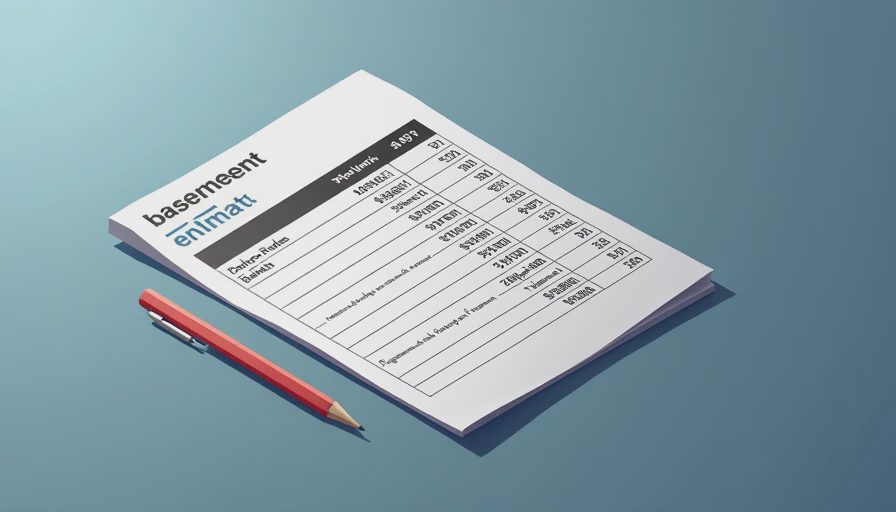
Ask each contractor for a line-item estimate that separates plumbing, concrete, framing, tile, and fixtures. Get at least three bids and compare the scope, not just the total. You can save a few thousand dollars by purchasing the fixtures yourself.
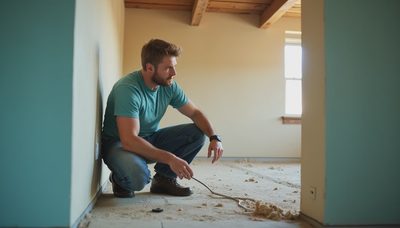
You can also do your own demolition and hauling. A dumpster rental runs about $400, and demo to the bare slab takes four to six hours. If you're handy, that's a legitimate way to cut the overall cost to add bathroom in basement.
But don't touch the plumbing. No amount of money saved is worth a personal sewer feature in your furnace room.

No notes yet — be the first to inscribe one.