Ceramic tile is one of the most practical bathroom materials you can buy, but only when it is installed over the right surface. I have seen perfectly good tile fail because somebody skipped waterproofing, rushed the floor preparation, or spread thinset like peanut butter on toast. The tile usually gets blamed. Most of the time, the prep deserves it.
For an older American house, ceramic tile can give you a hard-wearing floor or shower wall without pushing the renovation budget into designer-fixture territory. Expect roughly $3 to $12 per square foot for the tile itself, with installation often adding $8 to $20 per square foot depending on demolition, layout, waterproofing, and local labor. Here is how I would spend the money.
Where ceramic tile makes sense
Ceramic tile is made from shaped clay that is fired in a kiln. It is generally softer and more porous than porcelain, although many modern products are glazed and rated for wet interior use. That makes it a strong choice for bathroom walls, tub surrounds, backsplashes, and low-traffic floors.
The big advantage is value. A basic 4-by-12-inch white subway tile from Daltile or American Olean can cost around $2 to $5 per square foot. You can spend $10 or more on a handmade-looking version and still get the same fundamental wall protection. The expensive part is usually not the rectangle on the wall. It is making the wall flat, waterproof, and properly detailed around corners and penetrations.
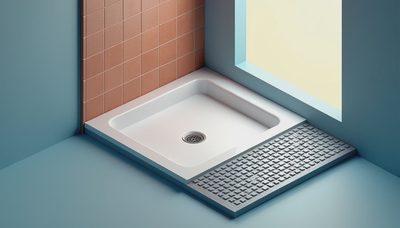
For a shower floor, I usually prefer small-format porcelain or a rated mosaic because the extra grout joints help create slope and traction. For a main bathroom floor, ceramic tile can work well if the product has the right slip rating and the framing is stiff enough. A flexible floor is a tile-cracking machine, no matter how pretty the pattern is.
Ceramic tile versus porcelain tile
The showroom explanation is usually that porcelain is stronger and ceramic is cheaper. That is true, but it leaves out the part that matters to homeowners. A porcelain tile is a type of ceramic tile made from denser clay and fired at a higher temperature. It absorbs less water and generally handles heavy traffic better.
In a second-floor hall bathroom, the practical difference may not justify paying twice as much. On a shower wall, either material can perform for decades when the waterproofing is right. On a mudroom floor where boots, grit, and a large dog are involved, porcelain earns its higher price more convincingly.
I once replaced cracked floor tile in a 1920s row house because the owner had installed large, bargain ceramic squares over old plank flooring. The tile was not the real problem. The subfloor moved every time someone crossed the room. We added proper underlayment, corrected the weak spots, and used a smaller porcelain pattern. That floor has been boring ever since, which is exactly what you want.
What goes underneath matters more than the tile
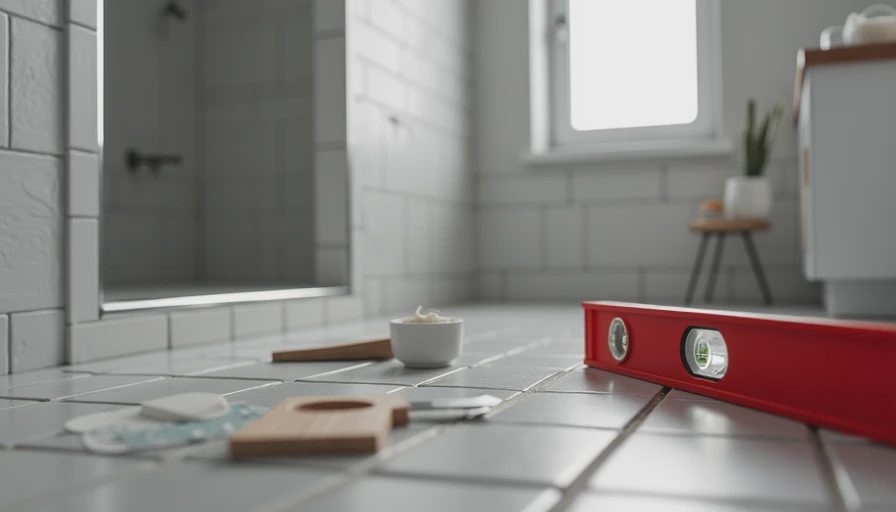
Tile is a finish, not a waterproofing system. In a shower, the substrate needs a continuous waterproof layer behind or over the backer board. Cement board alone is not waterproof. It can tolerate moisture, but water can pass through its seams and fastener holes.
For showers, I have had good results with systems such as Schluter Kerdi, Wedi building panels, and Laticrete Hydro Ban when they are installed according to their instructions. Do not mix random parts from three systems because a video said they were interchangeable. Use the approved membrane, sealant, banding, and fasteners for the system you choose.
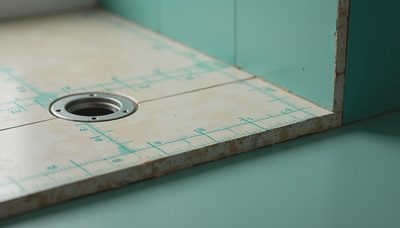
The floor needs its own preparation. Over plywood, that may mean an approved uncoupling membrane or cement backer board installed with the specified mortar and screws. Over a concrete slab, cracks need evaluation before tile goes down. A crack-isolation membrane can help with certain non-structural cracks, but it cannot rescue a sinking slab or a moving foundation.
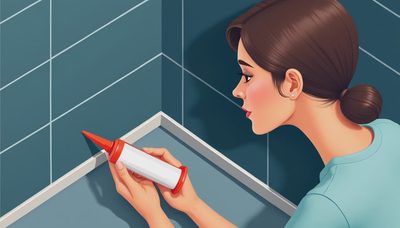
Corners deserve attention too. Inside shower corners should be treated as changes of plane, not packed solid with grout. A flexible sealant made for wet areas is the safer detail. Grout is not caulk, and grout is not a substitute for waterproofing.
Choosing size, color, and grout
Large-format tile looks clean, but it demands a flatter wall and a more accurate layout. If the wall has waves from old framing, a 12-by-24-inch tile will advertise every hump. Smaller ceramic tile is more forgiving and can be easier to cut around plumbing, niches, and uneven corners.
White subway tile is not automatically boring. Change the layout, joint width, or grout color and the whole room changes. A 1/8-inch warm gray grout hides ordinary shower dust better than bright white. Dark grout can look sharp, but some cement grouts show mineral deposits and soap residue quickly. In a rental or busy family bathroom, I would rather install a dependable mid-gray joint than create a cleaning chore for the next ten years.
Use a quality cement grout for many standard installations, or consider an advanced premixed or epoxy grout where stain resistance justifies the cost. Epoxy grout is not magic, and it is less forgiving to install. It can also make a rushed installer look worse because every haze mark stays visible.

A realistic ceramic tile installation budget
For a 40-square-foot tub surround, the tile may cost $150 to $500, depending on brand, trim pieces, and pattern. Waterproofing materials can add $150 to $400. Labor, demolition, disposal, substrate repairs, and plumbing protection can bring the complete surround to $2,000 to $5,000 in many markets.
A small 60-square-foot bathroom floor might use $250 to $700 in tile and setting materials, but labor can still reach $1,000 to $2,500. The floor size is not the whole job. Removing glued vinyl, repairing rotten plywood, moving a toilet flange, or leveling a floor can add hours quickly.
Buy 10 percent extra tile for a straightforward layout and 15 percent for diagonal patterns, herringbone, or products with noticeable color variation. Keep a few unopened pieces after the job. If a pipe leaks five years from now, matching a discontinued batch is much harder than walking into the basement for a spare box.
My installation checklist
Before buying, measure the room twice and draw the walls, plumbing, doors, and niches on paper. Confirm the tile is rated for the intended location, especially for a floor or shower base. Order trim pieces at the same time; discovering that the matching bullnose is unavailable after the walls are finished is a preventable headache.
Before setting the first piece, check the substrate with a long straightedge. Mark the centerlines, dry-lay the first rows, and make sure the cuts at both ends look intentional. Nobody wants a full tile on one side and a one-inch sliver on the other.
Mix thinset according to the bag, let it slake when instructed, and remix it without adding extra water. Comb ridges in one direction, press the tile into place, and periodically lift a piece to verify coverage. Back-butter larger tiles where the manufacturer calls for it. Clean joints before the mortar hardens.
Do not rush the grout or caulk. Let the mortar cure for the specified time, seal cement grout if the product requires it, and keep the shower out of service until the sealants have cured. A weekend schedule is not more important than a dry wall cavity.
The bottom line is simple: ceramic tile is a smart bathroom buy when you spend less time admiring the sample and more time building the surface underneath it. A bathroom built right once is a bathroom you forget about. That's the point.
No notes yet — be the first to inscribe one.