Tile flooring gets sold as a simple weekend upgrade. Pick a color, spread adhesive, set the pieces, and admire your work. That is how homeowners end up with cracked corners, loose tiles, and grout that turns black before the first birthday party. I have installed enough bathrooms to know that the tile itself is only half the job. The subfloor, layout, mortar, waterproofing, and grout decide whether the finished floor lasts five years or thirty.
For most bathrooms, I like porcelain tile flooring in a moderate size, installed over a properly prepared substrate. It is hard, water-resistant, easy to clean, and available in finishes that do not make the room look like a hotel lobby from 1998. The right choice also depends on the room, the floor underneath, and how much maintenance you are willing to tolerate.
Porcelain, Ceramic, and Natural Stone
Porcelain is my default recommendation for bathroom floors. It is denser than standard ceramic and absorbs less water, which matters in a room where wet towels, shower spray, and toilet overflows are part of real life. Good porcelain from brands such as Daltile, Marazzi, or American Olean commonly runs about $3 to $8 per square foot. You can spend more, but a $12 tile will not fix a crooked floor.
Ceramic tile can also work well, especially on a powder room floor or a bathroom that does not see much standing water. It is usually easier to cut and often costs $2 to $5 per square foot. The weak point is usually not the face of the tile. It is the softer body and the thin edges, which are less forgiving when the installer leaves a hump in the subfloor.
Natural stone looks good in photographs and demands more attention in a working house. Marble can stain, scratch, and require sealing. Slate needs cleaning that does not leave a waxy film. If you want stone, budget for sealing and accept that it will develop character. That is a polite way of saying it will not look exactly like the sample forever.

The Subfloor Matters More Than the Tile
I have pulled up expensive tile flooring that failed over a cheap, moving floor. The homeowner blamed the tile; the real problem was a plywood subfloor that flexed every time somebody crossed the room. Tile is rigid. Wood framing moves. Your installation needs a stable layer between the two.
For many bathroom remodels, that means repairing damaged plywood and installing cement backer board or an approved uncoupling membrane. Backer board is not waterproof by itself, despite what the package sometimes implies. Seams and fastener locations still need the manufacturer’s approved treatment. Products such as Schluter-DITRA or Custom Building Products’ RedGard can be useful, but they are not magic paint. The substrate has to be clean, sound, and properly installed first.
A common rule is that a floor should be flat before tile goes down, not necessarily perfectly level. Large tile flooring exposes every dip because the piece bridges across low spots. A one-eighth-inch variation over ten feet can create lippage, hollow areas, or a floor that looks wavy under a vanity light. Fix the floor before opening the mortar bag.
Choosing Size, Shape, and Slip Resistance
The 12-by-24-inch tile flooring trend looks sharp, but large pieces are less forgiving in an old row house or a 1950s bathroom. If the floor has several humps, a 24-inch tile may rock or leave ugly corners. I often prefer an 8-by-8, 10-by-10, or 12-by-12 tile for a smaller bathroom because it follows minor changes without turning the layout into a fight.
Small mosaic sheets are useful around a shower drain because the many grout joints make it easier to form the slope. They also provide more traction when wet. The tradeoff is more grout to scrub. A matte or textured surface is usually safer than polished tile, which can become slick under bare feet. Look for a product rated for floor use and pay attention to the manufacturer’s slip guidance rather than trusting a showroom sample that has never seen shampoo.
Before buying, bring home two or three samples. Look at them beside the toilet, vanity, and trim in morning and evening light. Gray tile can look blue, beige can look pink, and dramatic marble patterns can dominate a six-foot bathroom. A sample costs little compared with removing 80 square feet of the wrong floor.
Installation Costs and Where the Money Goes
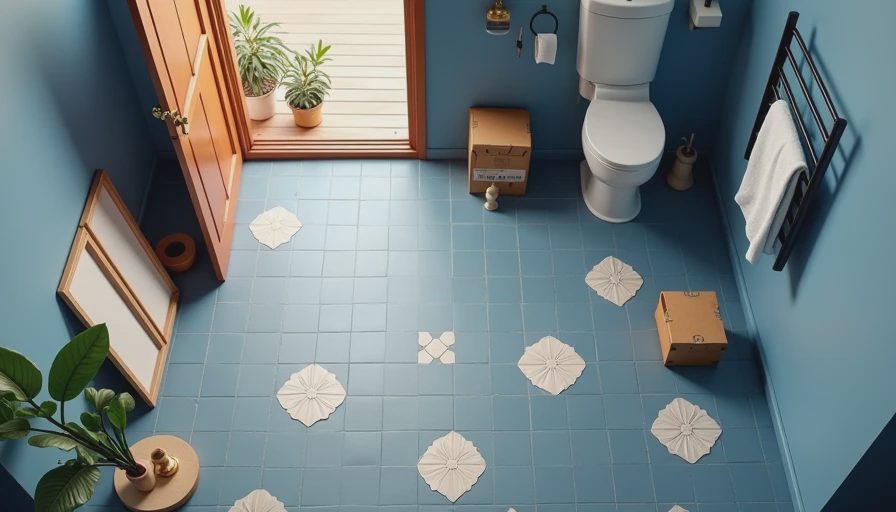
Material prices are only one line on the estimate. In a typical 40-square-foot bathroom, tile might cost $160 to $400, while mortar, grout, backer board, membrane, screws, trim, and sealant can add another $250 to $600. Labor commonly becomes the largest expense. Depending on demolition, repairs, layout, and local rates, a professional tile installation can run roughly $1,500 to $4,000 for a small bathroom floor.
That range gets larger when the old floor has water damage or several layers of glued vinyl. Removing a toilet, protecting the tub, hauling debris, rebuilding the subfloor, and making dozens of cuts takes time. A contractor who charges more because he is spending a day on preparation may be giving you a better floor than the bargain installer who promises to be finished by lunch.
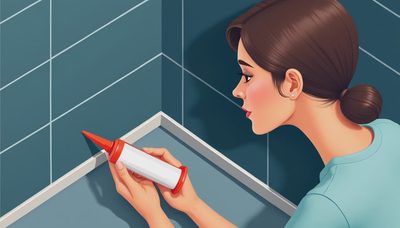
Do not save money by buying the thinnest materials or skipping movement joints. Tile and grout need room to handle minor expansion and contraction. Perimeter gaps should be left where the floor meets walls and fixed objects, then covered by baseboard or flexible sealant. Grout is not caulk, and caulk is not grout. Each has a different job.
Grout, Cleaning, and Repairs
For most residential bathrooms, I use a quality cement grout with the correct sealer or a reputable premixed grout when the application suits it. Epoxy grout resists stains and does not require the same sealing routine, but it costs more and punishes sloppy installation. Once epoxy starts setting in the wrong place, you do not casually wipe it away five hours later.
Choose a grout color that hides normal life. Bright white looks clean on day one and shows every dirty footprint afterward. A medium gray or warm beige is easier to live with. Clean the floor with a neutral cleaner and a soft brush; avoid pouring bleach or harsh acidic products across the room. Those shortcuts can damage grout, sealers, and nearby metal finishes.
If one tile cracks, save a few spare pieces in the basement or garage. A replacement is much easier when you have the exact dye lot and size. To repair it, a professional removes the grout around the tile, breaks the old piece inward, protects the substrate, and sets the replacement without damaging its neighbors. Do not attack a cracked tile with a hammer before the grout is removed.
My Practical Recommendation
For a standard bathroom, I would spend the money in this order: repair the subfloor, install the correct underlayment, buy dependable porcelain tile flooring, and hire someone who understands layout and movement joints. I would spend less on a trendy pattern before I spent less on preparation. A plain 12-inch matte porcelain floor installed flat will beat an expensive designer tile installed over plywood that flexes.
Get a written estimate that separates demolition, floor repairs, materials, installation, and disposal. Ask who handles the toilet reset and whether the contractor includes a new wax ring or other required seal. Confirm that tile flooring will be installed over an approved substrate, not directly over questionable plywood because somebody wants to finish faster.
The bottom line is simple: tile flooring is durable, but it is not forgiving. Buy a material suited to wet rooms, make the floor flat and solid, and use an installer who respects the unglamorous preparation. A bathroom built right once is a bathroom you forget about. That’s the point.
No notes yet — be the first to inscribe one.