A shower pan liner is not the glamorous part of a bathroom remodel. You will not see it in the finished room, and nobody on Pinterest is admiring the folds around the drain. But that hidden layer is what keeps shower water from soaking the framing, subfloor, and ceiling below. Get it wrong and your pretty tile job becomes an expensive demolition project.
I have opened plenty of showers where the tile looked fine from the doorway but the wood underneath was dark, soft, and smelling like a wet dog. The usual culprit was not bad grout. It was a failed waterproofing detail, a liner cut at the curb, or a drain installed without the proper clamping connection. This is the part of the job where saving $40 can create a $4,000 repair.
What a shower pan liner actually does
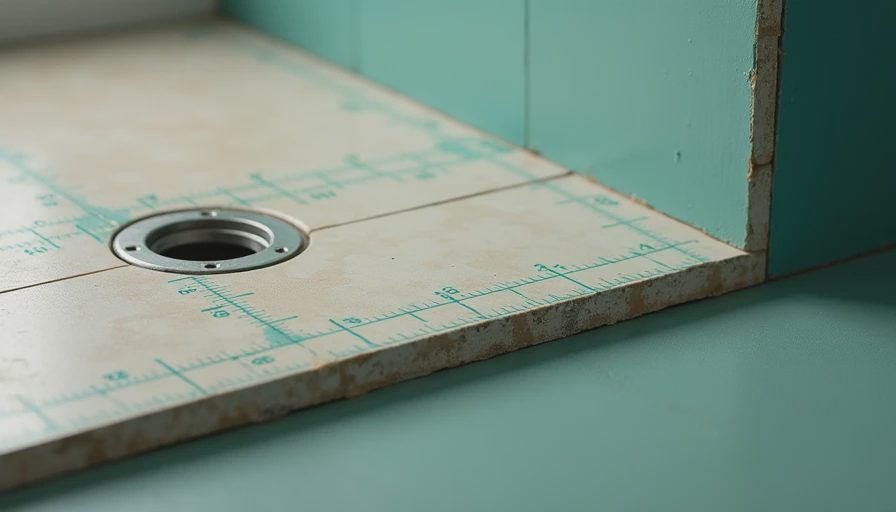
A traditional shower floor uses a sloped mortar bed, a waterproof membrane, and a second mortar bed under the tile. The shower pan liner sits below the top mortar layer. Water that passes through grout and mortar runs down the slope, reaches the liner, and travels toward the drain weep holes. Those weep holes have to remain open so the assembly can drain instead of staying saturated.
The liner is not a substitute for slope. If the base underneath is flat, water sits in the mortar and the shower can smell musty even when there is no obvious leak. The preslope should generally run about one-quarter inch per foot toward the drain. On a 3-foot shower, that means roughly three-quarters of an inch from the perimeter to the drain location.
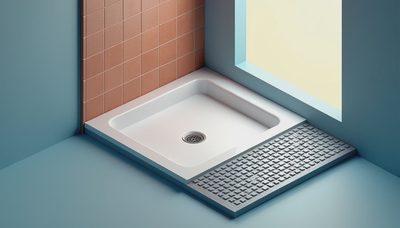
A proper shower pan liner also turns up the walls several inches above the finished curb. It should run continuously over the curb without being punctured on the inside or top surface. Fasteners belong high on the wall, above the expected water line. Screwing cement board through the lower liner is one of those shortcuts that looks harmless until the first long shower.
PVC, CPE, and bonded waterproofing systems
Most homeowners will encounter three broad choices. PVC liners are common, widely available, and usually the least expensive. A 5-by-6-foot PVC liner often costs around $30 to $60 at a home center, depending on thickness and brand. It works when installed correctly, but it can be less flexible in cold weather and some solvents or adhesives can damage it.
CPE is a different rubber-like material that is generally more flexible and chemically resistant. Products such as NobleSeal TS are respected in the trade, but the material costs more, often several times the price of basic PVC. For a complicated curb or a shower with multiple corners, that extra flexibility can make the installation cleaner. It still needs compatible cement, proper clamping, and careful handling.
A bonded sheet system, such as Schluter-Kerdi or USG Durock Shower System membrane, waterproofs closer to the tile surface. These systems do not use the same traditional liner-and-mortar-bed layout. Instead, membrane seams are overlapped or sealed with the manufacturer’s specified products, and the drain is designed for that system. A small shower kit can run from roughly $250 to $600 before tile and labor.
The expensive membrane is not automatically better than a traditional shower pan liner. The better system is the one the installer knows how to build without mixing instructions from three different manufacturers. I would take a correctly installed PVC assembly over a badly detailed premium membrane every time.
How to install a traditional liner without creating a leak
Start by checking the framing and drain location. The subfloor needs to be solid, and the drain body should be compatible with a clamping-ring shower drain. The preslope comes first. Use deck mud, not a sloppy pile of concrete, and shape it consistently from the drain to the walls.
Lay the shower pan liner flat enough that it reaches every corner without unnecessary bunching. Do not make random cuts at the curb. The inside corners and curb transitions require preformed dam corners or carefully welded patches made with the material’s approved adhesive. A cut that stops water from folding neatly is a leak waiting for permission.
Clamp the liner between the drain components and keep the weep holes clear with pea gravel, spacers, or a manufactured protector. Test the liner by plugging the drain and filling the pan with water. Mark the water level and leave it long enough to identify a drop. Local inspection rules and job conditions vary, but skipping a flood test is poor workmanship anywhere.
The wall board should not force the liner outward at the bottom. In a traditional assembly, the lower edge is held in place by the final mortar bed rather than screws driven through the membrane. This detail is especially important in older homes where studs are rarely straight and every extra bulge makes the curb harder to tile.

Common liner mistakes I keep finding
The first mistake is installing the liner directly on a flat subfloor. The second is using a liner that ends behind the curb instead of wrapping over it. Water does not care that the cut was hidden under decorative trim. It will find the lowest opening and follow gravity into the framing.
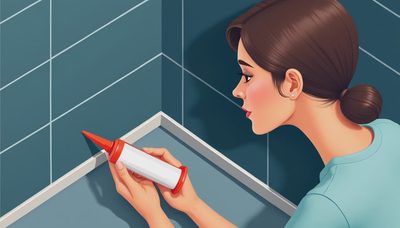
Another problem is placing nails or screws too low. The lower wall area gets soaked repeatedly, so even a tiny fastener hole can become a long-term entry point. I have also seen installers use silicone as a cure-all around a drain. Silicone has a place in some assemblies, but it cannot repair a missing clamping connection or blocked weep holes.
Do not fold a thick liner into a corner and expect tile backer to flatten it. Fur out the walls, notch the studs, or use a design that accommodates the material. A lumpy corner creates hollow spots behind tile and invites cracked grout. Also avoid mixing a traditional liner pan with surface-membrane details unless you understand where trapped moisture can go.
When a liner is the right choice for your project
For a basic rectangular shower in an older house, a traditional shower pan liner remains a sensible, affordable system. It is proven, easy to inspect, and available at most plumbing suppliers. A typical material package with liner, drain, dam corners, mortar, and fasteners may land around $150 to $300, excluding labor and tile.
A surface-applied membrane makes more sense when you want a curbless entry, unusual bench, multiple niches, or faster drying near the tile surface. It can also reduce the thickness of the floor assembly, but the drain and transitions must be designed from the start. Do not let a contractor decide after the framing is already finished.
If the shower is on a wood floor, inspect for movement before waterproofing. A flexible floor, loose subfloor, or water-damaged joist will eventually telegraph trouble through the tile. In a 1920s row house, I would spend money on structural prep before buying a designer drain cover. The cover is visible; the floor is what determines whether the room survives.
What to ask your contractor before tile starts
Ask which waterproofing system is being used and where its drain connection is located. Ask to see the preslope before the membrane goes down, then ask how the curb will be waterproofed. A contractor who gets annoyed by those questions is giving you useful information about whether to hire him.
Request a flood test before wall board and tile cover the work. Look for a liner that rises above the curb and has no fasteners through the inside face or top. Check that the drain weep holes are protected and that the mortar bed slopes consistently instead of forming a shallow bowl.
Get the material brand and installation instructions in writing. Oatey PVC, Noble CPE, Schluter Kerdi, and USG systems all have different compatible components. “We always do it this way” is not a substitute for following the system details. Manufacturer instructions matter most at corners, drains, benches, and changes between materials.
The bottom line is simple: a shower pan liner is cheap insurance only when it is sloped, continuous, clamped correctly, and protected from fasteners. Spend your attention on the parts that disappear behind the tile. A bathroom built right once is a bathroom you forget about. That is the point.
No notes yet — be the first to inscribe one.