If you're shopping for tile shower pan kits, you've probably seen the foam trays, the pre-sloped bases, and the claims of DIY ease. I've installed more tile shower pan kits than I can count over 20 years in Philly bathrooms. Some are rock-solid. Others belong in the scrap pile. Here's the straight dope from a guy who's dried out more leaky showers than he's had hot dinners.
What Exactly Is a Tile Shower Pan Kit?
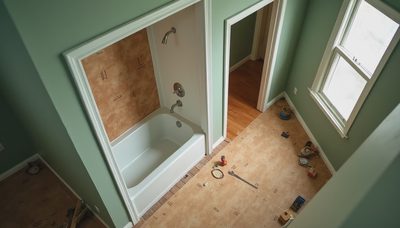
A tile shower pan kit is a pre-manufactured base designed to replace a traditional mortar bed. Typically it's a foam or composite pan that's sloped toward the drain, ready to tile over. Most kits include the pan, a bonding flange, and sometimes a drain assembly. You set it on a flat subfloor, connect the drain, and tile away. Sounds easy, but the devil's in the prep and the quality of the foam.
Where Tile Shower Pan Kits Save You Real Time
The biggest selling point is speed. A traditional mortar bed takes a day to pour, then another day to cure before waterproofing. A tile shower pan kit goes in during a morning. I've used Schluter-Kerdi, Wedi, and Laticrete foam pans on jobs where the homeowner needed the bathroom back fast. They work, as long as your subfloor is dead level and you follow the manufacturer's instructions to the letter. Skip a step and you're patching drywall in the bedroom below.

The Brands I've Actually Installed (and Which Ones I'd Avoid)
I've put in Schluter-Kerdi pans on over 50 showers. They're consistent, the foam density holds up, and the bonding flange gives a solid tile surface. Wedi is similar but costs a bit more and uses a different seam sealant. Laticrete's foam pan is good if you're using their whole system. Then you have the cheap off-brands at the big box stores. I've ripped out two of those—foam crumbles under load, and the slope was so off the water pooled at the back wall. Stick with the known players. A tile shower pan kit is not where you save twenty bucks.
Installation Tips That Will Save Your Floor
First, your subfloor must be flat within 1/8 inch over six feet. I've seen guys set a foam pan on a wavy subfloor and wonder why the tiles crack. Second, use the manufacturer's thin-set for bonding—don't sub in your bucket of Versabond. Third, waterproof the seams with the right membrane or sealant. I've had calls from homeowners who skipped the seam tape because it looked optional. Trust me, it's not optional. Finally, test the drain connection before you tile. Fill the pan with water, let it sit an hour, check for leaks. That hour can save you a full tear-out later.

What a Tile Shower Pan Kit Costs vs. a Mud Bed
A quality tile shower pan kit runs $250 to $500 for a standard 32x60 pan. A traditional mortar bed costs maybe $50 in materials, plus a day of labor if you pay a pro. But that pro can charge $300 for the pour. So the kit breaks even if your time is worth something. For a DIYer who's never done a mud bed, the kit is a safer bet. The learning curve on a mortar bed is steep—one wrong slope and you're living with a puddle. I'll take a $400 kit over a $50 mortar bed that I have to fix next year.
Tile Shower Pan Kits: Questions Homeowners Ask Most
Over the years, I've fielded the same handful of questions from homeowners about tile shower pan kits. Can I put one over an old mortar bed? No, not reliably. The foam needs a flat, solid surface to avoid flexing. What about using a kit on a second floor? Fine, but make sure the floor joists are stout enough—an extra layer of plywood never hurts. Do I still need a liner? Most modern kits are waterproof on their own if you seal the seams correctly, but I always add a liquid membrane around the drain flange for peace of mind. How long do these pans really last? A well-installed Schluter-Kerdi or Wedi pan outlasts the tile—I've seen 15-year-old installations with zero issues. The cheap ones fail in three to five years. Can I tile directly onto the foam? Yes, but use a large-format tile to reduce grout lines, and use a flexible thin-set designed for foam substrates. These aren't things you'll read on the box, but they matter when the shower is your daily driver.
One more common pitfall: drain location. Most tile shower pan kits come with a centered drain cutout. If your plumbing is offset, you'll need an off-center pan, which costs more and can be harder to find. Also, check the pan's thickness—thicker foam (over an inch) feels more solid underfoot than the thin 3/4-inch economy pans. I've walked into showers that felt spongy. That's a bad feeling for a homeowner who paid for quality tile work.
The Bottom Line on Tile Shower Pan Kits
A tile shower pan kit is a solid option for a bathroom remodel if you value consistency and speed. Pick a name brand, prepare your subfloor, and follow the instructions. Skip the cheap knockoffs and the shortcuts. A bathroom built right once is a bathroom you forget about. That's the point.
No notes yet — be the first to inscribe one.