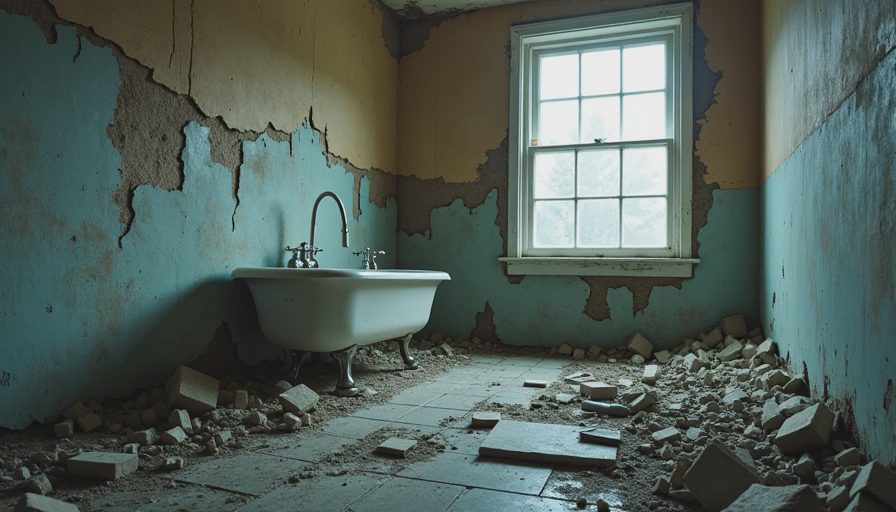
Demo Day Is Never Just Demo
People think demo day is just smashing tile and hauling debris. In old houses it’s more like urban archaeology with higher stakes.
After tearing out hundreds of Philly bathrooms, I can tell you: the walls and floors have stories. Some of them are messy.
A bathroom built right once is a bathroom you forget about. That’s the point. But first you have to survive the demo without bringing home toxic souvenirs.
Here’s what you’re likely to find in pre-1980 bathrooms.
The Big Three Hazards
1. Lead Paint
If your house was built before 1978, there’s probably lead paint somewhere. In bathrooms it’s often on trim, walls, or even under layers of tile adhesive.
Risk: Dust from sanding or demolition. Especially dangerous for kids.
How I handle it: Wet scraping, proper PPE (respirator, gloves, coveralls), and HEPA vacuum. Test kits are cheap and worth using.
2. Asbestos
Common in old floor tile, mastic (the glue), pipe insulation, and some ceiling materials.
Reality check: Asbestos is scary but manageable if you don’t turn it into dust. The biggest danger is disturbing it.
Many times I encapsulate instead of removing — especially floor tile that’s in good shape.
3. The Abandoned Razor Blade Collection
This one always makes me laugh (and then shudder). Behind tile and in walls I’ve found:
Dozens of old razor blades
Rusty nails and screws
Random chicken bones (once)
Old medicine bottles
Love letters from the 60s
Mouse nests
Old houses are time capsules with sharp edges.
Other Fun Surprises
Knob and tube wiring still live
Cast iron pipes on their last legs
Multiple layers of wallpaper glued directly to plaster
Black mold from decades of poor ventilation
Random abandoned plumbing vents
Safe Demo Practices I Always Follow
Test First — Lead and asbestos testing before major disturbance.
Contain the Area — Plastic sheeting, zip walls, negative air if possible.
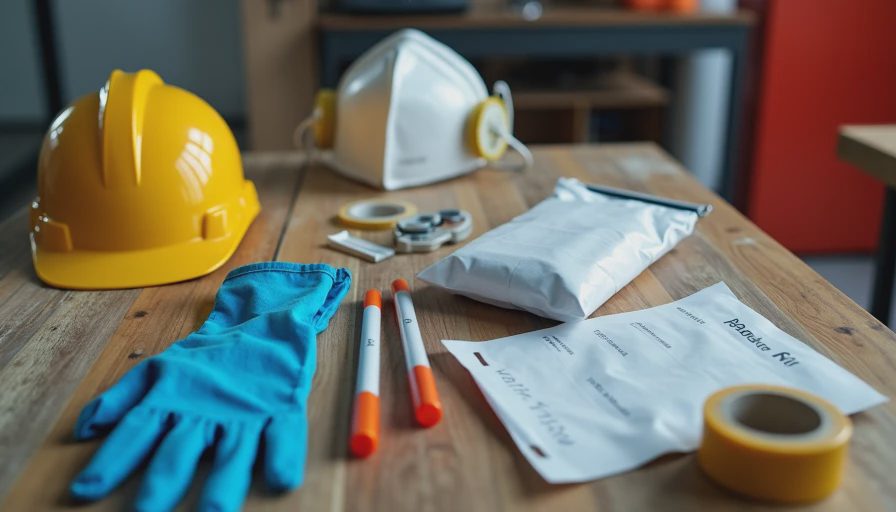
Proper PPE — Don’t cheap out on the respirator.
Work Wet — Mist surfaces to keep dust down.
Proper Disposal — Know your local rules for hazardous materials.
Document Everything — Photos help with insurance and future reference.
Real Cost Impact
Dealing with hazards properly adds $800–$2,500 to a typical old bathroom reno. Skipping it can cost you much more in health issues or future liability.
It’s not glamorous spending, but it’s some of the most important money you’ll spend on the project.
My Standard Demo Day Checklist
Respirator and gloves
Lead/asbestos test results
Plastic containment
Shop vac with HEPA filter
Proper waste segregation
Camera ready
The Silver Lining
Once you’ve safely navigated the hazards, the rest of the project feels like smooth sailing. There’s something satisfying about turning a hazardous old space into a clean, safe, modern bathroom.
Just respect what’s hiding behind those old walls.
Got a weird thing you found during your own demo? Share it below. I’ve probably seen something similar — or worse.
No notes yet — be the first to inscribe one.