If you're deep in a bathroom remodel, you've probably hit the question that splits every homeowner down the middle: acrylic showers vs tile. I've installed both in over 400 bathrooms across Philly row houses, suburban splits, and old stone farmhouses. Here's what I actually tell people when they ask which one to pick.
The Real Cost Difference
Let's start with what hits your wallet. An acrylic shower unit—walls, pan, and trim—runs $400 to $1,200 for a decent brand like Swanstone, Sterling, or Kohler. Add labor: maybe $500 to $800 for a day's work, assuming your rough-in is square and the drain lines up. Total: $1,000 to $2,500 for a turnkey job.
Tile? Ha. A basic ceramic tile from Home Depot costs maybe $2 a square foot, but you're buying a lot more than tile. You need cement board, waterproofing membrane (I use Schluter Kerdi or RedGard), thinset, grout, and sealers. Then there's the labor. A good tile setter charges $8 to $15 per square foot. A standard 32x60 shower surround is about 60 square feet of wall tile, plus a shower floor and curb. Total install: $3,500 to $8,000, easy. And that's without fancy subway patterns or mosaic sheets.
So acrylic wins on price, no contest. But price isn't everything.
Maintenance and Repairs
Here's where the trade-offs start. Acrylic showers are non-porous—no grout to scrub, no sealing, no mold growing in the corners. Wipe it down with a squeegee after every shower, and it'll look the same ten years later. But acrylic scratches. I've seen customers use abrasive cleaners that turn a glossy white pan into a dull haze. And if a hairline crack develops? You're patting it with a fiberglass repair kit, which never looks perfect.
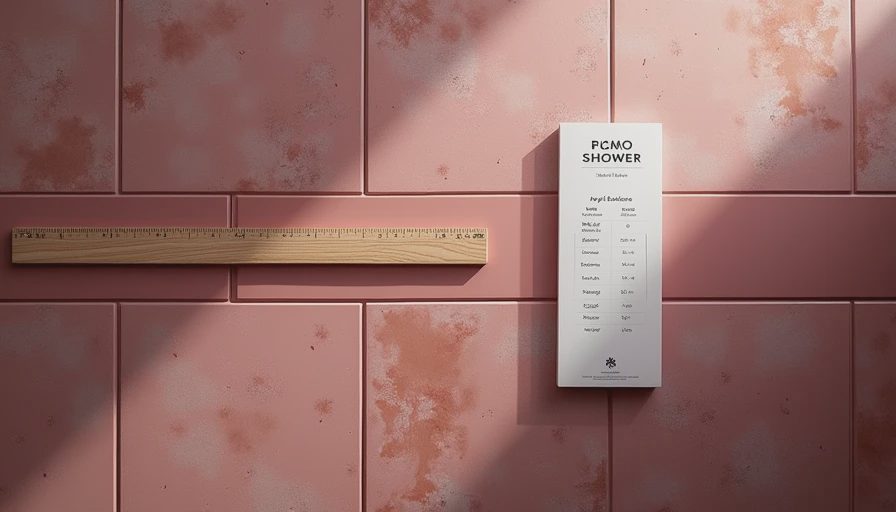
Tile has the opposite problem: it's tough as nails, but the grout is the weak link. Grout is porous. It stains, it cracks, it collects soap scum. You need to seal it every year or two, and even then, moisture finds a way. I've torn out gorgeous tile showers where the grout was crumbling and water had wicked behind the tile, rotting the backing. That's a $4,000 tear-out. With acrylic, that just doesn't happen—the whole unit is a single waterproof shell.
Which One Holds Up Better?
Over a 20-year span, a properly installed tile shower can last the life of the house—provided you maintain it. But most people don't. They skip sealing, ignore cracked grout, and eventually water gets in. Acrylic units typically last 15 to 25 years before they start looking tired, or the color fades, or the pan feels spongy. I've replaced 10-year-old acrylic pans that smelled like standing water because the drain gasket failed. But I've also seen 30-year-old acrylic units that still look fine in rental apartments. It depends on the brand and how much abuse it takes.
If you're in a forever home and you want something that can be refinished or updated piece by piece, tile wins. You can change the shower head, re-grout, or even retile a wall without replacing the whole structure. With acrylic, you're stuck with what's there. Want a different color? Rip it all out.
The Verdict from a Tile Guy
So which one should you pick? If you're flipping a house or building a rental unit, acrylic showers vs tile — acrylic wins every time. Fast, cheap, and good enough. If it's your own primary bath and you plan to live there a decade or more? Invest in tile. But do it right: hire a real tile pro, use a waterproofing membrane, and don't skimp on the grout.
I'll leave you with this: I've walked into bathrooms with $12,000 tile jobs that leaked after two years because the pan wasn't sloped right. And I've walked into bathrooms with $1,500 acrylic surrounds that were bone-dry and beautiful after a decade. It's not the material—it's the installation. A bathroom built right once is a bathroom you forget about. That's the point.
Quick Checklist: Which One Fits Your Life?
Still torn? Here's a fast checklist to decide if acrylic showers vs tile is the right call for your specific situation:
- Budget under $2,500? Go acrylic. No shame—tile quotes won't touch that.
- Renting out the property? Acrylic. Tenants rarely report scratches, but they will complain about moldy grout.
- Planning to stay 10+ years? Tile, if you're willing to maintain it. Factor in $100/year for sealers and occasional regrouting.
- Hate cleaning? Acrylic. A daily spray and weekly wipe is all it needs.
- Want to customize every detail? Tile. Acrylic limits you to factory colors and shapes.
- Worried about water damage? Both can fail, but acrylic fails less dramatically because there's no hidden cavity for water to rot.
I've seen homeowners spend months picking the perfect tile only to hate the grout cleaning. And I've seen others buy a $600 acrylic unit and love it for 15 years. Neither choice is wrong—the wrong choice is ignoring your own habits and budget.

No notes yet — be the first to inscribe one.