If you're building a shower from scratch, one of the first decisions you'll face is picking the right shower pan liner sizes. Get it wrong, and you're looking at leaks, mold, or a pan that doesn't fit. I've seen it happen more times than I'd like to admit. Understanding shower pan liner sizes is crucial for a leak-free install.
In the real world, most prefab shower pan liners come in standard sizes. The most common are 3x3, 3x4, 4x4, and 4x6 feet. But don't assume one size fits all — your shower might need a different size. For example, a typical alcove shower is usually 3x3 or 3x4, while a walk-in shower often needs a 4x6. I've installed plenty of Oatey 4x4 PVC liners in smaller bathrooms, but for larger showers, you might need to custom order or splice two pieces.
Standard Shower Pan Liner Sizes
When you walk into a home center, you'll find shower pan liner sizes like 3x3, 3x4, 4x4, and 4x6. Some suppliers carry 5x7 sheets or rolls. The thickness matters too — 40-mil PVC is standard, but 60-mil CPE is available from Noble. For most residential jobs, a 40-mil PVC liner is enough. But if you're using a linear drain or a custom curb, you might need a larger or thicker liner.
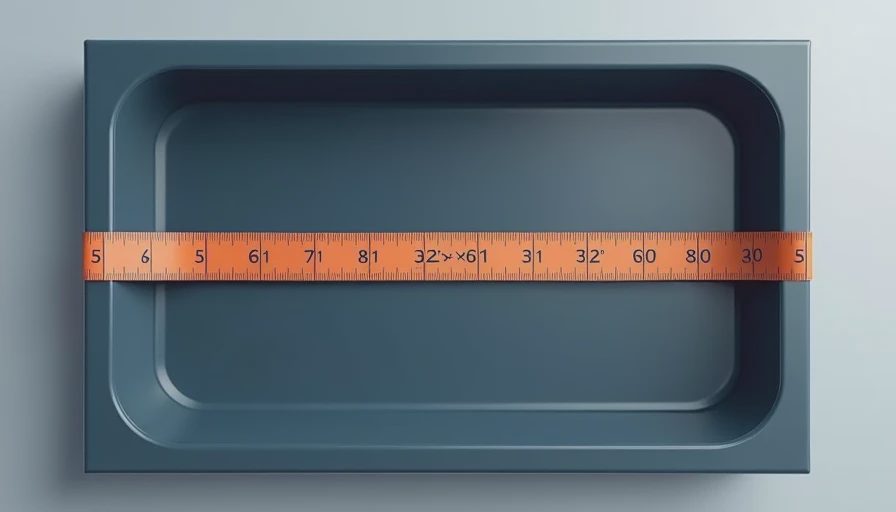
How to Measure for a Shower Pan Liner
Measuring correctly is the only way to get the right shower pan liner sizes. Start by measuring the shower floor length and width at the longest points. Add 12 inches for the curb and at least 6 inches up the walls. So for a 3x3 shower, you'll need a liner that's at least 4x4. Don't forget the preslope — it adds height. I had a job in Fishtown where the homeowner measured wrong and ended up with a liner too small. We had to patch it, and that's never ideal. Save yourself the headache: measure twice, buy once.
Why Liner Size Matters for Your Shower Build
If your shower pan liner sizes are off, you risk water wicking up the walls or curbing. Too small, and you can't wrap the curb properly. Too large, and you have extra material that can bunch up. I've seen DIY videos where people use a liner that's way too big and just fold everything — that's a recipe for leaks. Stick to the right size and always test the pan before tiling. Fill the drain with water and check for 24 hours.
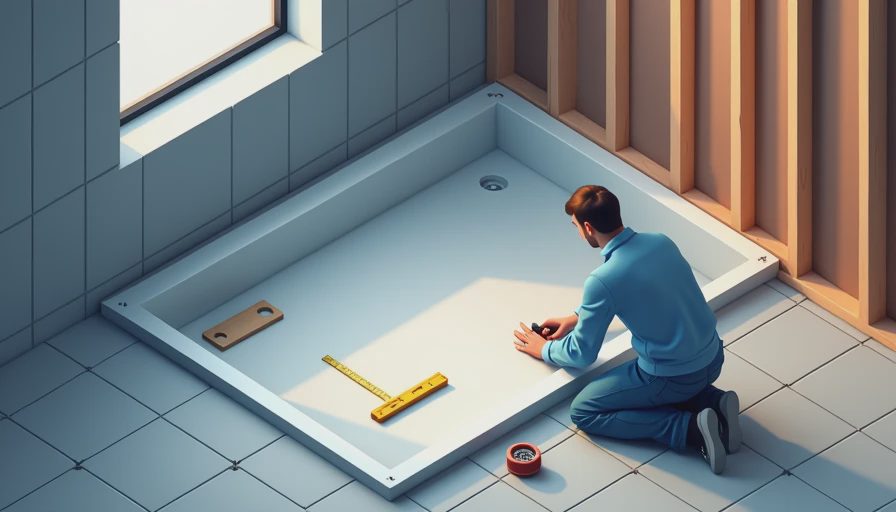
Cost Comparison: Standard vs. Custom Sizes
Standard shower pan liner sizes are budget-friendly. A 3x3 Oatey PVC liner runs about $40–$60 at Home Depot. A custom-sized liner jumps to $100–$200, depending on material and complexity. But if your shower is an odd shape, custom is the only way to go. Don't cheap out — a leak fix will cost you ten times that.
Installing Your Shower Pan Liner: A Quick Overview
You don't need to be a pro, but you need patience. Lay the liner over your preslope, cut corners, fold, and staple. Make sure the clamping drain is installed right. I prefer using Oatey's no-caulk shower drain — it's reliable. After installation, fill the drain and do a water test. Let it sit for 24 hours. I've seen plenty of pans hold water just fine, only to find a slow leak at the curb. Pay attention.
Common Mistakes When Choosing Liner Dimensions
- Mistake 1: Assuming all 3x3 liners are actually 3x3. Many pre-cut liners have extra material for the walls and curb. Always check the actual width and length. For example, a 3x4 liner may be intended for a 3x3 shower floor. I once watched a homeowner cut his brand-new Oatey liner to fit a 3x3 footprint without accounting for the curb—he ended up short on two sides and had to buy a second sheet. That added $50 and a weekend delay.
- Mistake 2: Forgetting about the preslope thickness. The liner sits on top of a sloped mortar base, which raises the floor. If you measure from the finished wall to the drain without factoring in the preslope, your liner may be too small. The preslope adds roughly 1 inch at the walls, so add that to your measurements. A good rule: add 6 inches to both length and width beyond your floor dimensions.
- Mistake 3: Ignoring the curb wrap. You need enough material to go over the curb and at least 2 inches beyond the outside. For a standard 6-inch curb, that's an extra 8–10 inches. Many DIYers forget this and end up with a liner that barely covers the inside of the curb. I've fixed several leaky curbs caused by undersized liners—each repair cost $200–$300 in materials and labor.
- Mistake 4: Buying the wrong thickness for the subfloor. A 40-mil liner is standard for wood subfloors, but if you have a concrete slab, you might need a 60-mil CPE liner from Noble or a surface-applied membrane like Schluter Kerdi. Check your shower pan liner sizes' thickness specs before purchase.
- Mistake 5: Not ordering extra for waste. Even if you measure perfectly, you'll make small cuts and maybe a mistake. Order a liner that's at least one size larger than your calculated minimum. For a 3x4 shower floor, buy a 4x6 liner. It's better to trim than to patch. The extra cost is $20–$40, but it's cheap insurance.
These pitfalls are easy to avoid if you plan ahead. Take the time to measure carefully, account for curb and preslope, and buy a size that gives you some wiggle room.
Bottom line: Get the shower pan liner sizes right on paper before you buy anything. Measure twice, buy once. A bathroom built right once is a bathroom you forget about. That's the point.
No notes yet — be the first to inscribe one.