Cost of adding a bathroom to basement is one of those projects where the pretty finishes get all the attention and the plumbing decides the bill. If the drain line is already there, you can keep the damage down. If you're cutting concrete, adding an ejector pump, and tying into old cast iron, the number climbs fast. In most older houses I see, the spread is roughly $12,000 to $25,000 for a simple basement bath with an existing rough-in, and $28,000 to $45,000 when the underground work is real. Add a tiled shower, better fixtures, and a permit-friendly exhaust setup, and the ceiling moves again.
The biggest mistake is buying a vanity and toilet before you know where the drain, vent, and supply lines are going. I have watched people spend $2,000 on finish items and then discover they need another $6,000 in plumbing before a single tile goes down. In a 1920s row house or any older slab-on-grade basement, the floor itself is often the expensive part. Once you know what can stay and what has to be opened up, the rest gets easier to price.
That is why I tell homeowners to price the hidden work first. Drain routing, venting, waterproofing, and a fan are not sexy, but they are what keep the room from smelling like a locker room or leaking into the family room below. A basement bath that looks cheap on paper can turn into a mess if you skip the boring parts and hope the tile will save you later.
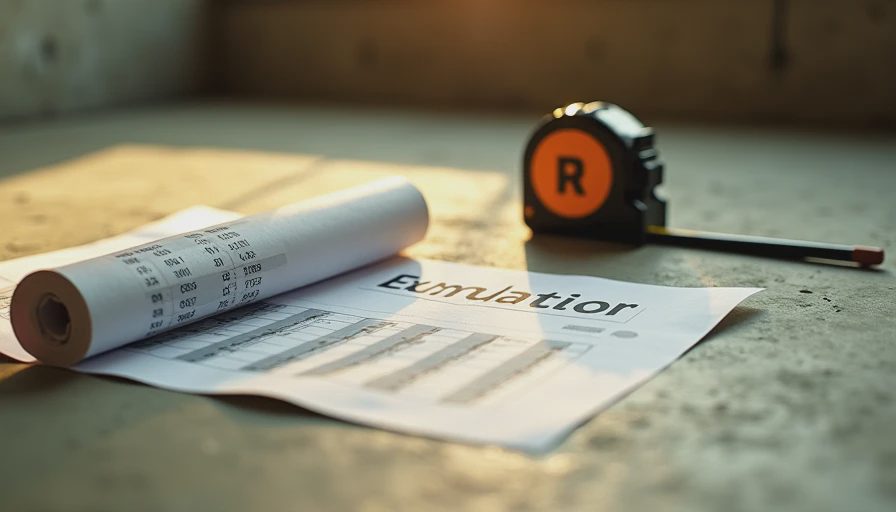
What actually drives the bill
On a clean job, the cost of adding a bathroom to basement is mostly a plumbing story. If the main stack is nearby and the slab can be opened without drama, the job moves faster and the labor stays sane. If the bathroom is on the far side of the basement, or the old drain has to be replaced all the way back to the main line, you are paying for demo, excavation, patching, and a plumber who knows how to slope a line correctly the first time.
The other big fork in the road is whether you need an ejector pump. Liberty Pumps and Zoeller both make solid sewage ejector setups, and I would rather install one of those than trust a bargain basement fix that clogs the first time a kid flushes half a roll of paper. A pump basin, alarm, and installation can land around $2,000 to $5,000 depending on access. A Saniflo-style macerating unit can save space in a tight half bath, but I do not love it as a long-term plan for a full family bathroom.
Then there is the finish level. A fiberglass shower kit and a basic vanity are one price. A Schluter Kerdi shower, porcelain tile, and a better fan are a different price. I have installed plenty of bathrooms where the owner thought tile was the budget buster, but the plumbing and moisture control were what really moved the needle.
Where the money goes in a decent basement bath
If you want a cleaner read on the cost of adding a bathroom to basement, split it into rough plumbing, finish work, and permit or mechanical costs. Rough plumbing can eat 35 to 50 percent of the budget in an older basement. Finish work is everything from drywall or cement board to tile, trim, vanity, toilet, faucet, and shower glass if you go that route. Mechanical costs cover venting, electrical, and the kind of fan that actually moves air outside instead of just stirring it around.
For materials, I like ordinary products that hold up. Delta and Moen make dependable faucets without silly pricing. Kohler, American Standard, and Toto all have toilets that behave like toilets should. For tile work, Schluter systems and USG Durock are common because they solve problems instead of creating them. None of that stuff is glamorous. That is the point. A bathroom built right once is a bathroom you forget about.
A smart basement bath often saves money by keeping the layout simple. Put the toilet where the drain wants it, not where the Pinterest picture told you. Keep the shower on a wall that can be waterproofed cleanly. Skip the curbless dream if it means another layer of structural work and a more complicated drain. A good contractor should be able to tell you where the savings are real and where the cheap choice will cost you later.
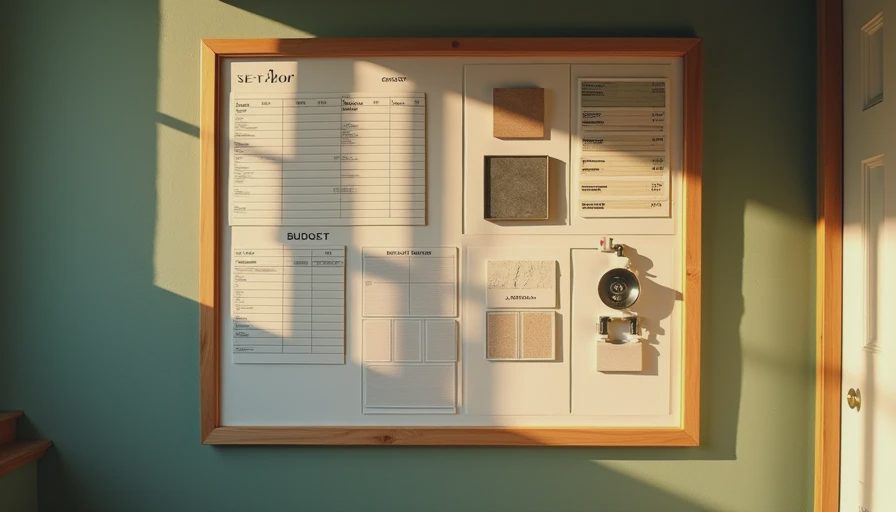
Three real-world budgets
Here is how I would ballpark it. A straightforward powder room with an existing rough-in, no shower, and middle-of-the-road finishes often lands around $12,000 to $18,000. That usually gets you a toilet, small vanity, fan, lighting, paint, and basic flooring without getting cute.
A full basement bath with a standard shower, decent tile, a solid fan, and a modest vanity is more often a $22,000 to $35,000 job when the plumbing is not a disaster. If the slab has to be cut, the drain has to be extended, or an ejector pump is part of the plan, I would push that estimate higher before anyone signs.
Once you add a tiled shower, better waterproofing, nicer fixtures, and a layout that fights the basement instead of working with it, $35,000 to $55,000 is not crazy in older homes. I did a row house job in South Philly where the owner started with a simple bath plan and ended up changing the whole drain path after demo exposed bad old piping. The final number was not pretty, but it was honest, and the room still works years later.
Don't skimp on moisture control
Basements punish sloppy work. The room needs a fan ducted outdoors, not just a cheap grille in the ceiling. The walls need to be insulated correctly for your climate and detailed so condensation does not build behind the finish. If the basement already gets damp, a dehumidifier is cheaper than tearing out moldy drywall later.
Waterproofing matters most in the shower and around the floor transition. Kerdi, liquid membranes, or a proper backer board system all work when they are installed the right way. What fails is half-done work: no slope at the drain, gaps in the membrane, and a fan that does nothing but hum. I would rather see a plain bathroom with solid bones than a fancy one built on shortcuts.
Permits are not the fun part, but they protect you when it is time to sell. A homeowner who skips inspections often ends up paying twice, once to install it and again to fix what the next inspector or buyer notices. The boring steps cost money up front and save money later.
Bottom line
If you want a real number on the cost of adding a bathroom to basement, price the plumbing first and the tile second. That is the honest way to budget the job and the best way to avoid surprises that chew through your savings. A bathroom built right once is a bathroom you forget about. That's the point.

No notes yet — be the first to inscribe one.