The Question I Get Asked More Than Any Other
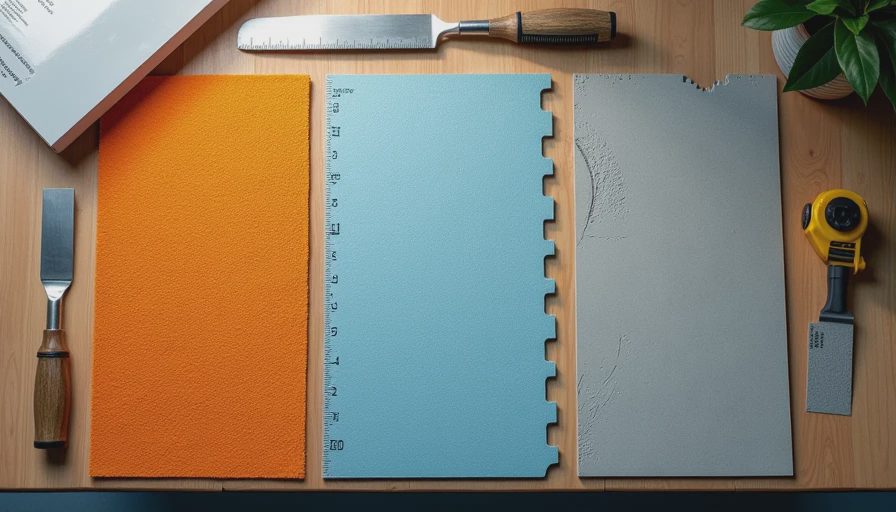
Every time someone starts a bathroom reno, they eventually ask me: “Should I use Schluter, Wedi, or just go with Durock and RedGard?”
After installing all three systems across hundreds of bathrooms — from tiny half-baths to full gut jobs in 1920s row houses — I have strong opinions. And I’m not getting paid by any of these companies to say this.
A bathroom built right once is a bathroom you forget about. That’s the point. The waterproofing layer is what makes that possible. Get it wrong and you’ll be remembering your bathroom every time you see a water stain on the ceiling below.
Here’s the straight talk.
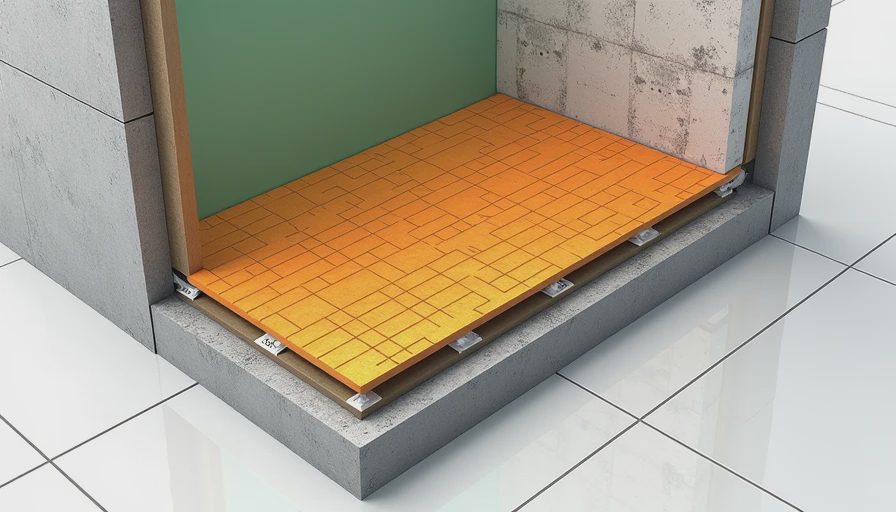
Quick Overview of the Three Systems
Schluter-Kerdi is a bonded waterproofing membrane made of polyethylene with fleece on both sides. You embed it in thinset. It’s been around a long time and has excellent technical support.
Wedi is a foam board system with built-in waterproofing. The boards themselves are waterproof, and you use their sealant on the seams. It’s rigid and comes in various thicknesses.
Durock (or similar cement board) + liquid waterproofing (like RedGard or Hydro Ban) is the more traditional approach many contractors still use.
I’ve used all three extensively. Here’s how they actually stack up on real job sites.
Installation Reality Check
Schluter-Kerdi
Pros: Very flexible, great for curved walls or odd shapes common in old Philly homes. Lightweight. Excellent crack isolation.
Cons: Requires careful thinset work. If you miss a spot or have a void, you can have issues. Learning curve on corners and pipe penetrations.
I once did a complete Kerdi shower in a Fishtown row house with very out-of-plumb walls. The membrane conformed beautifully.
Wedi
Pros: The boards are waterproof on their own. Fast installation. Excellent insulation and sound deadening. Very rigid — great for large format tile.
Cons: More expensive. Heavier. Cutting the foam boards creates a lot of dust. Not as forgiving on extremely uneven walls.
Wedi shines in new construction or when you’re building a curbless shower.
Durock + Liquid Membrane
Pros: Cheap. Widely available. Most contractors know how to work with it.
Cons: Multiple steps. Liquid membranes can be tricky to apply evenly. More prone to user error. Not as “set it and forget it” as the other two.
This is what I used when I was starting out and money was tight.
Performance After Years of Real Use
Here’s where the rubber meets the road.
I’ve torn out plenty of failed showers. The ones that failed most often were the cheap liquid membrane jobs where someone didn’t apply enough coats or missed a seam.
Kerdi and Wedi both have very strong track records when installed correctly. Between the two, Kerdi has more flexibility for old house movement, which matters in Philly where houses settle and shift.
Wedi wins on speed and if you want the foam’s thermal properties (nice for keeping the shower warmer in winter).
Durock can work great — but it requires more attention to detail during the liquid application phase.
Cost Breakdown (Real Numbers)
Assuming a standard 3x5 shower:
Schluter-Kerdi: $450–$650 in materials
Wedi: $650–$850 in materials
Durock + RedGard: $280–$420 in materials
Labor time:
Kerdi: 1.5–2 days for a good installer
Wedi: 1–1.5 days
Durock system: 2+ days
For most homeowners doing a full bath reno, the extra cost of Kerdi or Wedi pays for itself in peace of mind and faster installation.
My Honest Recommendation
For most old house renovations in the Northeast: Schluter-Kerdi is my go-to. It handles the inevitable movement of old structures better than rigid systems.
Choose Wedi if: You want speed, better insulation, or are doing a curbless or walk-in shower with large format tiles.
Choose Durock + liquid membrane if: You’re on a very tight budget and have an experienced installer who knows how to apply the membrane properly.
Never cheap out on the waterproofing. This is not the place to save $200.
Pro Tips From Someone Who’s Done This Hundreds of Times
Overlap seams properly and use the manufacturer’s corners and seals.
Take your time on pipe penetrations — these are the most common leak points.
Use the right thinset — unmodified for Kerdi, modified for others.
Test your shower pan before tiling. Fill it up and let it sit for 24 hours.
Document your installation with photos. Future you (or the next owner) will appreciate it.
The Bottom Line
All three systems can create excellent, long-lasting showers when installed correctly. The biggest variable isn’t the brand — it’s the person doing the work.
Take your time. Follow the instructions. Don’t cut corners on the parts nobody will ever see again.
Because when it’s done right, you’ll step into that shower ten years from now and never think about the waterproofing behind the tile. You’ll just enjoy the hot water.
That’s the entire goal.
Got a specific shower situation or question about these systems? Drop it below. I’ll give you the same advice I’d give my own brother.
No notes yet — be the first to inscribe one.