
A tamper resistant outlet is one of those small bathroom upgrades that gets ignored until a child pokes a toy, hairpin, or finger into the wrong place. I have opened plenty of older South Philadelphia bathrooms where the electrical devices were yellowed, loose, and older than the tile. Replacing them is not glamorous work, but it is inexpensive protection, especially in a house built before 1980.
The name is literal. A tamper resistant outlet has internal shutters that block the slots until both openings receive equal pressure from a proper plug. A key or single object pushed into one side does not get a clear path to the contacts. It does not make electricity harmless, and it is not a substitute for a ground-fault circuit interrupter, but it is a smart layer of protection in a family bathroom.
What a tamper resistant outlet actually does
Inside a standard receptacle, the slots are open. A child can potentially insert something into one slot and contact energized metal. The shutters in a tamper resistant outlet stay closed when pressure is applied to only one opening. When you insert a normal two-prong or three-prong plug evenly, the mechanism moves aside and allows the blades through.
That distinction matters. These outlets are not childproof covers that you remove every time you use a hair dryer. They work continuously and look like ordinary receptacles after installation. The best versions have shutters that move smoothly rather than requiring you to force a plug at an angle. Cheap units can be stiff, especially when new, but excessive resistance is not a badge of safety. It usually means the mechanism is poorly made or the plug is being inserted crooked.
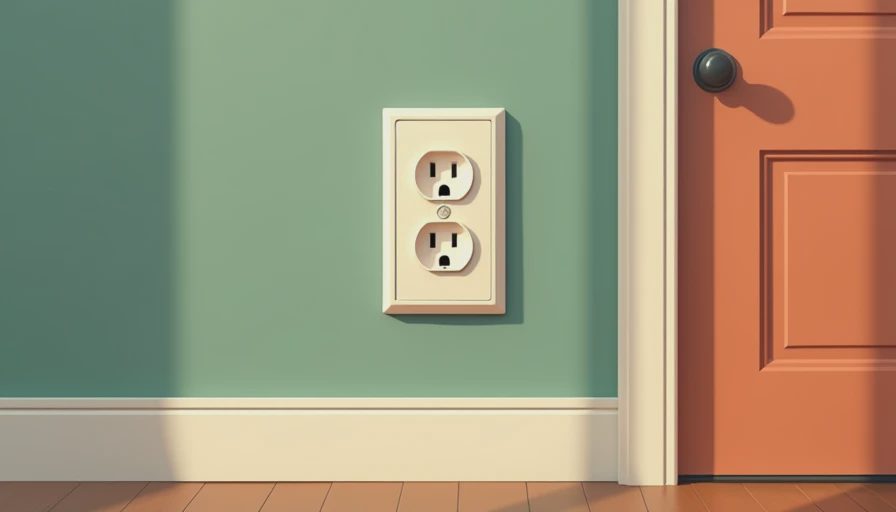
Look for the TR marking on the face of the device. That marking identifies a tamper-resistant receptacle, not merely a decorative cover or a plastic plug inserted into an ordinary outlet. Leviton, Eaton, and Hubbell all make reputable residential models. A basic device often costs about $3 to $8, while a combination outlet with USB charging or another feature can run $15 to $30.
Bathroom safety requires GFCI protection too
Here is where homeowners get tripped up: a tamper resistant outlet and a GFCI outlet do different jobs. Tamper resistance helps stop an object from entering one slot. GFCI protection monitors the current leaving and returning through the circuit. If it detects an imbalance, it can shut off power quickly to reduce shock risk.
Bathroom receptacles generally need GFCI protection under modern electrical rules. That protection can come from a GFCI receptacle in the bathroom or from a GFCI circuit breaker protecting the branch circuit. The device does not have to be both physically located at every outlet and protected by a separate GFCI breaker, but the circuit must be protected correctly. The exact arrangement depends on the existing wiring and local code requirements.
A tamper resistant outlet with GFCI protection combines both functions in one device. Leviton and Eaton sell these combination receptacles in common colors such as white, ivory, and light almond. Expect to pay roughly $15 to $25 for a decent unit. Press the TEST button after installation, then press RESET. If it will not reset, trips repeatedly, or shows no power after testing, stop guessing and call an electrician.
Where I install them during a bathroom renovation
In a bathroom, I use a tamper resistant outlet anywhere a standard receptacle is being replaced, particularly near a vanity where a child can reach it. The outlet needs to be positioned far enough from the sink and other water sources to satisfy the applicable electrical rules. Do not move one casually because the old location looks inconvenient; bathroom wiring is one of those places where a few inches can affect compliance.
I also recommend them in adjacent areas where kids spend time: hallways outside bedrooms, playrooms, kitchens, laundry rooms, and finished basements. A house does not become safer because the bathroom outlet is upgraded while an open receptacle sits beside the toy shelf. If you are replacing several devices at once, the material cost is small. Ten basic TR receptacles might total $40 to $80, plus labor if an electrician handles the work.
There was a row house in Fishtown where the owners were renovating one bathroom and replacing every visible switch and outlet. The old receptacle beside the vanity had a cracked face and loose mounting screws. The electrician found a shallow box, crowded conductors, and no reliable ground at that location. The new tamper resistant outlet was the easy part. Correcting the box and wiring was what made the job safe.

Do not ignore the box, wiring, or mounting
A new faceplate cannot repair bad wiring behind the wall. Before installing a tamper resistant outlet, the power should be turned off at the breaker and verified with a properly working tester. Noncontact testers are useful for a quick check, but they are not my only confirmation. A meter or two-pole tester gives better information, and the circuit should be tested before and after the work.
Older homes can have aluminum branch wiring, cloth-insulated cable, missing grounds, undersized boxes, reversed polarity, or loose connections. If the box shifts when you plug something in, fix that problem instead of simply tightening the plate. If the wires are short, brittle, scorched, or confusing, this is not the place to learn electrical work from a five-minute video. Call a licensed electrician. A $100 to $250 service visit is cheaper than a damaged appliance, fire, or shock injury.
The receptacle should sit securely and be nearly flush with the finished wall. Use the correct side screws or approved terminals for the conductor type, and do not stuff too many wires into a small box. In a tiled bathroom, the box may be buried behind cement board or sit too far back after the new tile goes in. Adjustable box extenders can solve some problems, but they need to be installed correctly.
Choosing the right model without paying showroom prices
For a straightforward bathroom replacement, I usually prefer a commercial-grade tamper resistant outlet from Leviton, Eaton, or Hubbell over the cheapest multi-pack on a bargain shelf. The difference may be only a few dollars per device, but better terminals, stronger straps, and smoother shutters make installation less aggravating. A basic 15-amp model is not automatically correct; the circuit rating, wire size, and existing setup have to match.
Do not buy a USB combination model just because it looks modern. Those units cost more, take up more box space, and contain electronics that can fail. They can be handy beside a vanity, but only when the box is deep enough and the circuit is suitable. In a damp bathroom, I would rather have a solid tamper resistant outlet with dependable GFCI protection than a glowing USB port that nobody really needs.
A decorative screwless wall plate can add another $5 to $15, but it will not improve electrical safety. Spend the money on a quality device and proper installation first. White is still the sensible choice for most bathrooms because replacements are easy to find and it does not make a future repair an archaeological dig.
A practical replacement plan
Start by listing every outlet and switch in the renovation area. Note which receptacles are GFCI protected and which ones have TEST and RESET buttons. Turn off the suspected breaker, verify the power is dead, and photograph the existing wiring before disconnecting anything. Never rely on a label that says “bathroom” if the panel was wired by a previous owner; labels are often wrong.
Next, inspect the box and conductors. If the wiring looks normal and the circuit is properly grounded, the replacement may be routine. If you find aluminum wire, heat damage, missing grounding, or an outlet fed through an unexpected circuit, pause and bring in an electrician. After installation, test the outlet with a plug-in tester, operate the GFCI TEST button, and confirm that RESET restores power. A plugged-in night-light makes a useful basic check, though it does not replace professional testing.
The bottom line is simple: install a tamper resistant outlet where children can reach receptacles, pair it with proper GFCI protection in the bathroom, and do not cover up wiring problems with a new plastic face. A bathroom built right once is a bathroom you forget about. That is the point.



No notes yet — be the first to inscribe one.