
When somebody asks me for the best exterior caulk for bathroom work, I know what they usually mean: a sealant that can handle steam, splashing water, temperature swings, and the occasional sloppy kid with a bath toy. The answer is not the cheapest white tube hanging beside the paint aisle. For most wet bathroom joints, you want a flexible, mold-resistant sealant that bonds tightly and does not turn into a cracked rubber noodle after one winter.
I have removed plenty of failed caulk from row houses in South Philadelphia. The common problems are predictable: the wrong product, a dirty joint, or a homeowner sealing over old caulk because removing it looked annoying. Caulk is cheap compared with a rotted window sill, swollen drywall, or water damage below a tub. Spend the extra ten minutes on preparation.
What exterior-rated caulk means in a bathroom
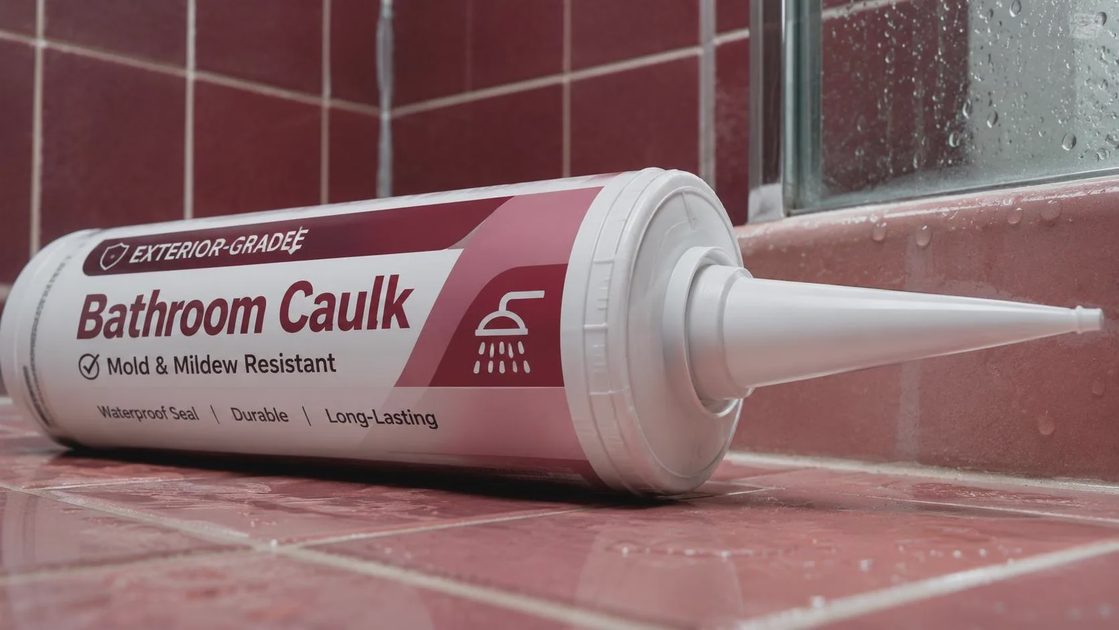
Exterior-rated does not automatically mean bathroom-rated. A product designed for siding or outdoor trim may resist rain but still be a poor choice around a shower. Bathroom sealant needs to tolerate repeated wetting, remain flexible, and resist mildew. Look for wording such as 100% silicone, kitchen and bath, mold or mildew resistant, and interior or exterior use.
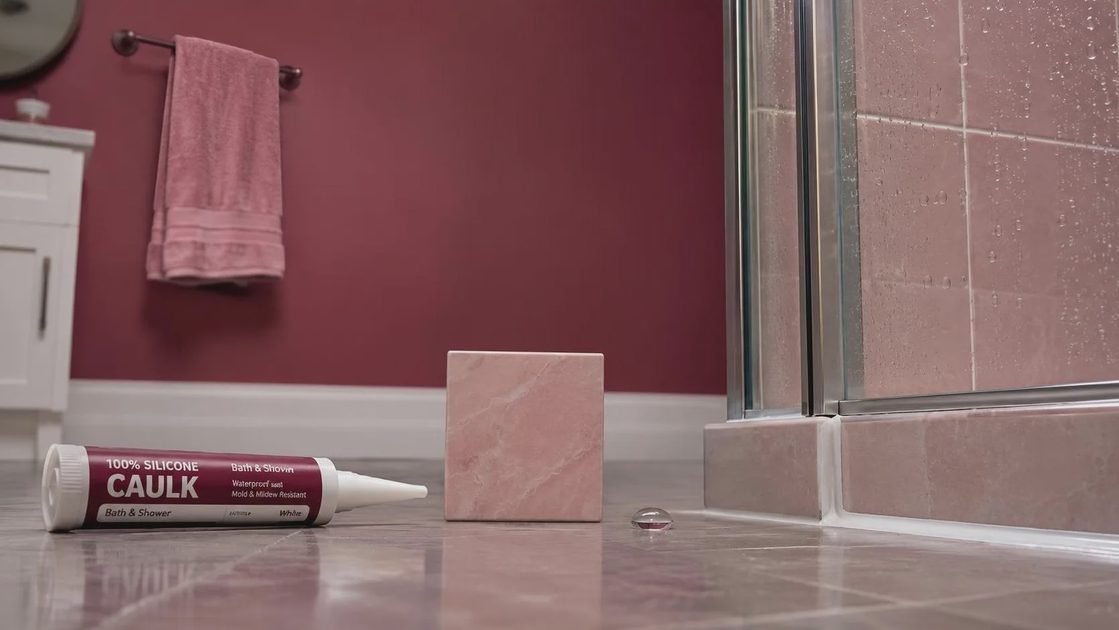
For shower corners, tub-to-tile joints, and a shower door frame, 100% silicone is usually the best exterior caulk for bathroom conditions. Silicone stays flexible longer than ordinary acrylic latex and handles movement between dissimilar materials, such as glazed tile beside an acrylic tub. It is also highly water resistant once cured. The tradeoff is that silicone is harder to tool, smells like vinegar in many formulas, and cannot be painted.
Acrylic latex caulk has a place. It is easier to apply, cleans up with water, and can be painted to match a wall. I use it for dry trim joints, a vanity backsplash that sees little water, or gaps around a door casing. I do not use basic painter's caulk inside a shower. That is asking a $6 tube to perform a $600 repair.
The products I would actually buy
GE Advanced Silicone 2 Kitchen and Bath is a solid choice for common tub and shower joints. It is widely available, comes in clear and several white shades, and is straightforward to find at Home Depot or Lowe's. Expect roughly $10 to $14 per tube. It skins over quickly, so work in manageable sections rather than stopping halfway through a wall.
DAP 100% Silicone Ultra Clear is useful when you need a less noticeable bead around glass, a polished metal frame, or a transition where bright white would look clumsy. It can appear cloudy when first applied and becomes clearer as it cures, so do not judge the finish immediately. Price is generally around $10 to $15.
For demanding joints, Sika and Loctite also make strong silicone sealants. Loctite 908 offers a tougher construction-style option for exterior penetrations and mixed materials, though it is not my first pick for a visible shower bead. If the label does not clearly identify bathroom use and mildew resistance, put it back on the shelf.
The best exterior caulk for bathroom tile is not necessarily the most expensive tube. A good product applied to a clean, dry, properly sized joint beats premium sealant smeared over soap scum every time. Buy a fresh tube; partially cured material from the back of a dusty garage shelf is false economy.
How to get a joint that does not fail
Start by cutting out every bit of old caulk with a sharp utility knife and a plastic scraper. Do not gouge the tub or scrape aggressively across a soft acrylic surface. For stubborn silicone residue, use a silicone-removal tool or gel, then wipe the joint with isopropyl alcohol according to the surface manufacturer's guidance. Let everything dry completely. A damp joint is a bad foundation.
The gap should generally be clean and reasonably consistent. If it is deeper than about one-half inch, do not pack it solid with caulk. Use foam backer rod first so the sealant can flex properly and form a useful hourglass-shaped bead. Very wide or moving joints deserve more attention than a quick swipe from a caulk gun.
Cut the nozzle at a 45-degree angle, making the opening slightly smaller than the joint. Apply steady pressure and move at a controlled pace. I prefer a continuous bead rather than a series of blobs. Smooth silicone with a caulk tool or a gloved finger lightly dampened as appropriate for that product. Do not flood the joint with soapy water; some sealants bond poorly when contaminated.
Let the sealant cure for the full time printed on the tube. Many bathroom silicones need about 24 hours before normal water exposure, and cool, humid rooms can take longer. Tell the household to use the other bathroom. That is easier than explaining a failed seal to a customer the next morning.
Where people use the wrong sealant
The most common mistake is caulking a moving or leaking joint that needs a repair underneath. Caulk will not fix a loose shower valve, failed waterproofing membrane, cracked grout caused by framing movement, or a toilet flange that is leaking into the floor. It is a surface seal, not a magic waterproofing system.
Another mistake is sealing the bottom edge of everything. A shower door frame may have specific instructions requiring caulk on the outside only, so water can escape through designed weep paths. Follow the frame manufacturer's instructions. Sealing the wrong side can trap water inside the track and create a problem that looks like a bad door.
Do not caulk over grout cracks without finding the reason for them. A small change-of-plane joint, such as where a wall meets a tub or another wall, should usually have flexible sealant instead of rigid grout. But cracked grout in the middle of a tile field can signal movement or substrate trouble. The best exterior caulk for bathroom maintenance cannot compensate for a wall that is moving.
Color, cost, and the cleanest finish
White silicone is the safe choice for a white tub, white tile, and standard fixtures. Clear is better when the joint crosses different colors, but clear caulk is not invisible during application and can collect dust if the bead is messy. Almond, biscuit, and several off-white shades exist, though matching an older fixture can take a trip to the store with a sample or good photograph.
A tube usually costs $8 to $16, and one tube covers a surprising amount of ordinary trim. A professional-quality caulk gun costs $15 to $30 and gives you much better control than the bargain gun with a trigger that feels like a vise. Keep a utility knife, plastic scraper, paper towels, and denatured alcohol or the cleaner recommended by the manufacturer nearby before opening the tube.
If a contractor quotes $150 to $300 for a careful recaulk of a standard tub surround, that can be reasonable when removal, cleaning, masking, and return visits are included. The material is cheap. The labor is making the joint look straight and ensuring the new sealant has something clean to hold.
My bottom line for a lasting seal
For a wet bathroom joint that also faces exterior-style temperature and movement demands, 100% silicone labeled for kitchen and bath is the best exterior caulk for bathroom use. GE Advanced Silicone 2 is my practical default; DAP Ultra Clear earns the nod when appearance calls for a clearer bead. Neither product can rescue a wet, dirty, or structurally failing joint.
Take the old caulk out, dry the surfaces, size the joint correctly, tool one continuous bead, and respect the cure time. That procedure matters more than the logo on the tube. A bathroom built right once is a bathroom you forget about. That's the point.
No notes yet — be the first to inscribe one.