Waterproofing inside basement areas can stop a wet floor from turning into mold, ruined storage, and a very expensive repair. But the honest answer is that interior waterproofing does not magically make foundation walls dry. It manages water that has already reached the structure and gives it a controlled path to a drain or sump pump. That can be the right fix, especially in an older home where digging around the exterior would mean removing a porch, driveway, landscaping, or half the neighbor's fence.
I have seen homeowners roll on three coats of basement paint and call the job finished. Six months later, the paint is blistered, the wall smells musty, and the water has found a new crack beside the baseboard. Paint is not a drainage system. Waterproofing inside basement walls requires a plan for pressure, cracks, floor joints, and the water collecting below the slab.
First, find out where the water is coming from
Start during or right after a hard rain. Look at the wall-floor joint, corners, plumbing penetrations, window wells, and visible cracks. Water entering where the wall meets the floor usually means hydrostatic pressure is pushing below the footing or through the joint. A crack that runs diagonally from a window or corner can point to movement, while white chalky residue usually means moisture has traveled through masonry and left salts behind.
A simple test helps separate condensation from a real leak. Tape a square of clear plastic tightly to the wall for two days. If moisture appears behind the plastic, the wall is releasing water. If it appears on the room side, humid basement air is condensing on a cold surface. Both problems matter, but they need different fixes. A dehumidifier can handle condensation; it will not stop groundwater.
Also check the easy exterior causes before opening the floor. Clean gutters, extend downspouts at least several feet from the foundation, and make sure soil slopes away from the house. A $20 downspout extension can sometimes accomplish more than a $2,000 interior coating job. If the ground stays saturated against the wall, any interior system will be working against a steady supply of water.
How interior waterproofing systems work
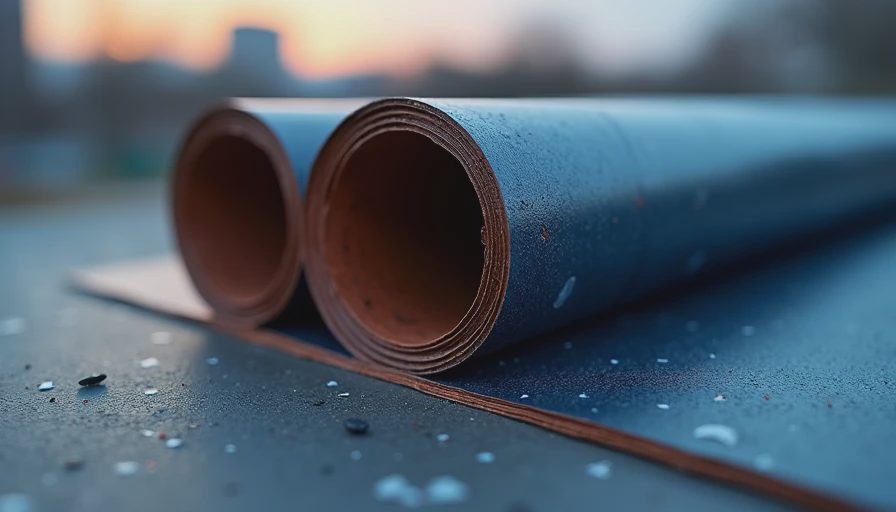
The most dependable waterproofing inside basement approach is usually an interior drainage system. A contractor cuts a narrow channel along the slab perimeter, removes a strip of concrete, and installs perforated drain pipe beside or below the footing. Water enters the pipe, flows to a sump basin, and leaves through a pump discharge line. The concrete is patched over the trench, leaving the basement usable again.
Another option is a dimpled drainage membrane fastened to the wall. Brands such as Delta-MS and Platon create a small air gap that directs seepage downward instead of allowing it to spread across finished walls. The membrane still needs a working drain at the bottom. Sticking plastic to a wall and burying the edge in caulk is not the same thing.
For isolated nonmoving cracks, polyurethane injection can work well. The material expands inside the crack and blocks water rather than simply covering the surface. Epoxy is stronger for structural bonding, but it is less forgiving when a crack continues to move. Do not inject a crack just because a product label says “permanent.” First determine whether the foundation is shifting.
Costs, disruption, and the parts contractors skip
For a modest basement, interior drainage commonly runs about $60 to $120 per linear foot, depending on access, slab thickness, pump work, and local labor. A single crack repair may cost roughly $400 to $900. Adding a sump basin, pump, check valve, and discharge plumbing can add $1,000 to $3,000. Those are practical planning ranges, not a promise written in stone.
The part that separates waterproofing inside basement work from a quick patch is the discharge line. Water must be carried far enough away that it does not return through the foundation. I want to see a secure pipe, a proper check valve, and a backup plan if the power fails. A battery backup pump is often $300 to $700 installed, but that is cheap compared with a finished basement full of standing water.
Ask what happens at utility penetrations and inside corners. Ask whether the contractor removes and replaces the baseboard, how the trench is patched, and whether the system includes a written warranty. Then ask to see where the pump discharges. If the answer is vague, the sales presentation is probably doing more work than the drainage system.
What you can do yourself, and what you should not
A homeowner can handle gutters, downspout extensions, grading small areas, humidity control, and removing damaged cardboard or carpet. You can also monitor a crack with pencil marks and dates to see whether it changes. Keep records after storms; a photo showing the same damp spot at three different rain levels is useful when comparing estimates.
I would not recommend cutting a basement slab beside a foundation without knowing the footing depth, drain layout, and local requirements. You can hit electrical conduit, plumbing, or a structural element. Pump wiring also deserves respect, especially in a damp room. A licensed electrician should handle a new dedicated circuit or any questionable outlet.
If walls bow inward, mortar joints are separating, doors upstairs stick, or a crack is wider at one end, call a structural professional before choosing waterproofing inside basement methods. Water control will not correct a foundation movement problem. Likewise, if sewage backs up through a floor drain, you need a plumber or sewer contractor, not a membrane salesman.
How to compare estimates without getting played
Get at least two written proposals that show the linear footage, drain location, sump equipment, discharge route, concrete repair, and cleanup. One estimate might say “complete basement waterproofing” for $8,500, while another says “install 72 feet of drain channel, one basin, one pump, and 80 feet of discharge pipe” for $7,900. The second proposal gives you something real to compare.
Look for pump specifications instead of vague words such as heavy-duty. A cast-iron pump from Zoeller is a common professional choice, while many plastic utility pumps are intended for temporary water removal. The pump should have a properly sized basin and a discharge line that will not freeze or dump water beside the wall.
Do not let anyone pressure you into coating every inch of wall before fixing drainage. Interior sealers such as Drylok can be useful on sound masonry with minor dampness, but they are not a substitute for relieving water pressure. The right order is source control, drainage, crack repair, then finishing work.
The bottom line for a dry basement
Waterproofing inside basement spaces makes sense when exterior excavation is impractical and the system gives groundwater a reliable route to a sump or drain. It is not a magic paint job, and it cannot hide structural movement. Fix the gutters first, identify the entry point, demand a detailed scope, and spend money on the pump and discharge path before decorative coatings.
There was a row house in Fishtown where the owner wanted a fresh wall coating before listing. The floor joint was leaking, the sump discharged six inches from the foundation, and the downspout emptied beside the back steps. We corrected those three issues before touching the wall. The basement stayed dry through the next storms because the water finally had somewhere sensible to go.
A basement built dry once is a basement you forget about. That's the point.

No notes yet — be the first to inscribe one.