I've been inside more shower pans than I care to count. And I'll tell you straight up: a shower pan installation kit can make or break your tile job. Not all kits are created equal, and the one you grab off the shelf at the big box store might be the fastest path to a call-back in six months. Let's talk about what matters, what doesn't, and which kits I actually trust under my tile.
What Makes a Shower Pan Installation Kit Worth It?
A good shower pan installation kit isn't just a pile of plastic and foam. It's a system designed to keep water where it belongs—draining, not soaking into your subfloor. The best kits come with a pre-sloped foam pan, a bonding flange drain, and a waterproofing membrane that wraps up the walls. You want something that integrates cleanly with the drain, because that's the most common failure point. I've seen too many DIY jobs where the drain connection leaked because the kit's flange didn't mate properly with the clamping ring. A solid system eliminates that headache.
What to Look for When Choosing a Shower Pan Installation Kit
When you're shopping for a shower pan installation kit, focus on three things: slope, material, and drain compatibility. The slope should be 1/4 inch per foot minimum—some kits offer less, but that's asking for standing water. For material, I prefer expanded polystyrene (EPS) foam over extruded polystyrene (XPS). EPS is lighter, easier to cut, and compresses less under tile. As for the drain, look for a kit that includes a bonding flange or comes with a specific drain model. Brands like Schluter and Wedi make this simple—their kits are designed around their own drain assemblies, so everything snaps together. If you're mixing and matching brands, you're asking for trouble.
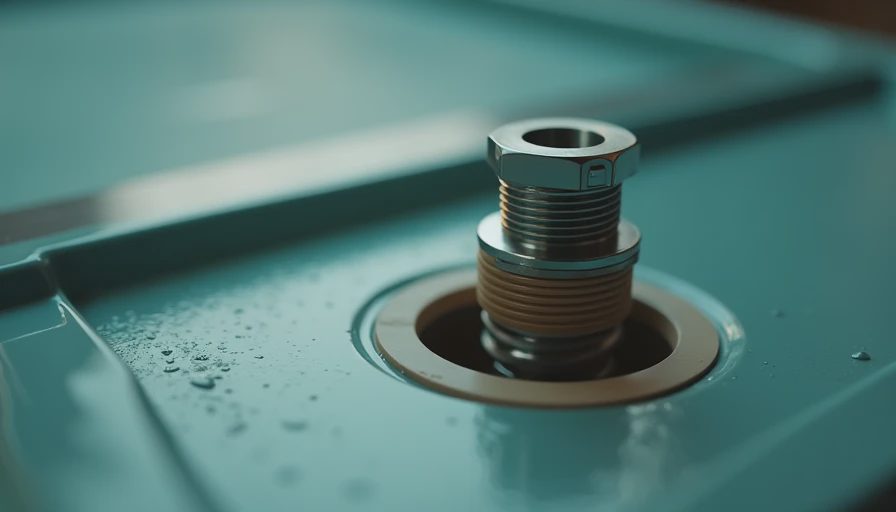
Another thing: thickness. Most pans are 1 to 1.5 inches thick at the perimeter. That's fine for standard showers, but if you're doing a curbless or low-profile entry, you'll need a thinner pan or one that allows for a linear drain. Some kits offer adjustable thicknesses or reversible slopes. Don't just buy the cheapest option; buy the one that fits your shower footprint and your desired finish.
My Go-To Kits for Different Situations
Over the years, I've settled on a few kits I recommend without hesitation. For most residential showers, the Schluter Kerdi-Shower kit is the gold standard. It includes the foam tray, drain, curb, and membrane. The drain is bonded directly to the membrane, so there's no clamping ring to leak. I've used these in dozens of bathrooms—zero failures. The downside? It's pricey. You'll pay $300-500 depending on size. But you get what you pay for.
If budget is tighter, the Wedi Fundo kit is a solid alternative. It uses a solid foam pan with an integrated drain channel. Wedi's system relies on their own sealant and fabric, which works but requires more careful installation. Cost is around $200-350. For a large custom shower (over 60 inches), I'd skip the all-in-one kits and build a mud pan, then use a liquid membrane like RedGard. But for 80% of homeowners, a pre-made foam kit is the way to go.
Common Mistakes to Avoid
I've been on calls where the homeowner swore they followed every step, but the tile grout started cracking and water seeped into the garage ceiling below. Here are the three most common screw-ups I see with a shower pan installation kit:
- Not leveling the subfloor. Foam pans are flexible. If your subfloor has dips, the pan will rock and slope will be wrong. Always self-level the floor before placing the pan.
- Skimping on thinset under the pan. The manufacturer says to embed the pan in a thin layer of thinset. Not enough thinset means voids—and voids mean cracks. Use a 1/4-inch notched trowel and press the pan until it beds evenly.
- Ignoring the manufacturer's instructions. Every kit is different. One kit might require silicone between the pan and drain; another uses a gasket. Read the manual twice. That paper is your friend.
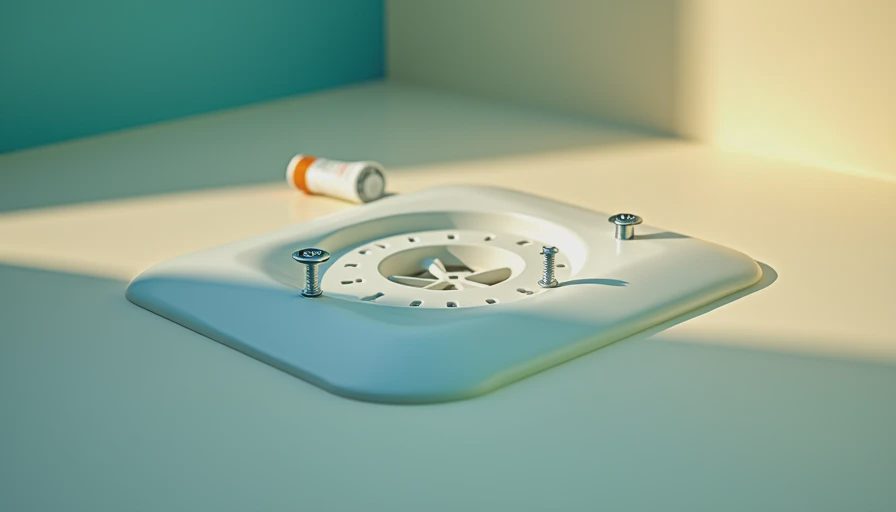
Another mistake: not testing for leaks before tiling. Once the pan is installed and the curb is up, fill the shower base with an inch of water and let it sit for 24 hours. Mark the water level. If it drops, you've got a leak. Fix it before you set a single tile.
Frequently Asked Questions About Shower Pan Installation Kits
Q: Can I install a shower pan installation kit over a wooden subfloor?
A: Yes, but you need to ensure the subfloor is flat, sturdy, and properly supported. Use a layer of plywood or cement board if needed. The foam pan must be fully supported to prevent flexing.
Q: Do I need to buy a separate waterproofing membrane if the kit includes one?
A: Most all-in-one kits include the membrane, so you're covered. But check the kit contents—some budget kits skimp on wall membranes. If yours doesn't include a membrane for the walls, you'll need to buy a roll of sheet membrane or a liquid-applied system.
Q: Can I use a shower pan installation kit for a custom-shaped shower?
A: Many kits are designed only for standard sizes (32x60, 36x48, etc.). For custom shapes, you'd need to cut the foam pan, which can ruin the slope. Better to build a mud pan or use a custom kit from a brand like Laticrete or Noble. They offer larger sheets of foam that you can cut to shape.
Q: How long does it take to install one of these kits?
A: A typical installation takes a full day for the pan and waterproofing, then another day for tile setting. But the kit itself can be installed in a few hours if you're experienced. Don't rush the thinset curing times.
Q: Are these kits really better than a traditional mortar bed?
A: For most homeowners, yes. They're lighter, faster, and less prone to installer error. But a well-built mortar bed is still the most durable option for large or unusually shaped showers. The kit trades some customizability for speed and consistency.
The Bottom Line
A shower pan installation kit is a smart shortcut for a right-minded DIYer or even a pro who wants to save time. But it's not a magic bullet. You still need good prep, the right tools, and patience. My advice: spend the extra hundred bucks on a Schluter or Wedi kit over the house brand. The peace of mind is worth it. A bathroom built right once is a bathroom you forget about. That's the point.

No notes yet — be the first to inscribe one.