If you're trying to figure out how much to build a bathroom in basement, here is the blunt version: a simple powder room can land around $8,000 to $15,000, a three-quarter bath with a shower usually runs $15,000 to $30,000, and a tougher older-house job can push past $35,000 fast. The big swing is not the toilet or the tile. It is what happens under the slab, behind the walls, and around the drain line.
I have torn into plenty of older basements where the homeowner thought they were buying a weekend project and ended up staring at a $10,000 plumbing problem. In a pre-1980 house, the basement bath is rarely just a finish job. It is a plumbing job, a waterproofing job, and a framing job wearing a nice tile hat.
The real answer to how much to build a bathroom in basement
If you want a real number, start with the size of the bathroom and how close the plumbing already is. A half bath near an existing main stack is the cheapest path. If the sink and toilet can tie in without breaking a lot of concrete, you are in a much friendlier budget zone. Add a shower, and the price jumps because now you need a drain that actually works, a waterproof shower pan, proper slope, and usually more labor.
The answer to how much to build a bathroom in basement also changes with ceiling height. Low joists can make venting harder and force creative framing. That is where the labor bill grows. I have seen homeowners spend $1,200 on a toilet and vanity and then get hit with $6,000 to $12,000 in plumbing and drain work before the first tile box even opens.
In a clean, straightforward basement, a builder-grade finish might use a Kohler toilet, a basic Moen valve, stock drywall, and a porcelain tile floor. In an older brick row house, the same room can need a sewage ejector pump, a drywall soffit for ductwork, and a floor patch after the slab is cut. Those are not luxury upgrades. They are the price of making the room function.
What pushes basement bathroom costs up
Plumbing is the main culprit. If the existing sewer line is not low enough for a gravity drain, you may need a sewage ejector system. Saniflo and Zoeller both make systems I see on jobs, and the equipment itself is not the whole bill. Once you add venting, piping, labor, and electrical, that part alone can land anywhere from roughly $2,500 to $7,500 depending on access.
Waterproofing is the next place people cheap out and regret it. A basement bath needs good moisture control, even if it is not a full shower room. I like a proper membrane where water matters, decent backer board, and a fan that can actually move air. A Panasonic WhisperCeiling fan is not cheap, but neither is redoing moldy drywall. A 50 to 80 CFM fan might cost more up front than the bargain-bin special, but it saves grief later.
Finish level matters too. A tiled shower with a Schluter-style waterproofing approach costs more than a fiberglass surround, but it also tends to hold up better when the work is done right. Cheap fixtures are where the showroom nonsense starts. A no-name valve or a flimsy trim kit can look fine for a year and then start dripping or feeling loose. That is not a savings.
A straight answer on how much to build a bathroom in basement
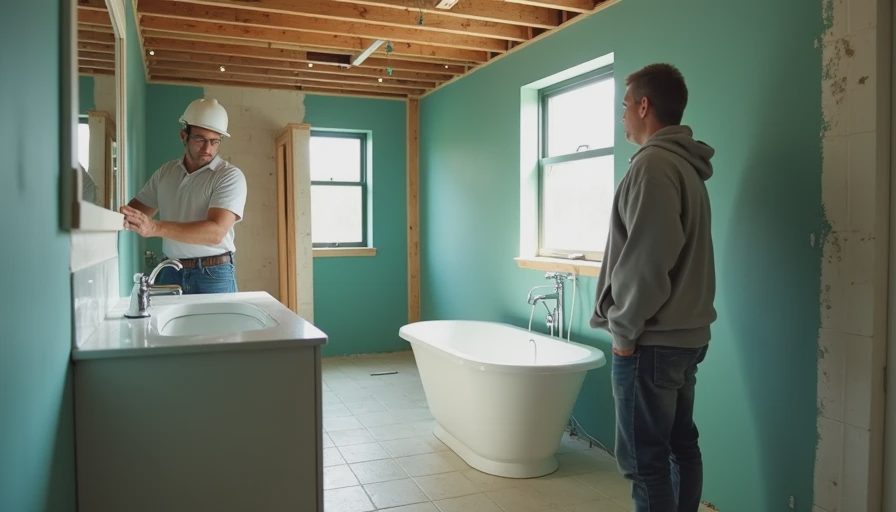
If you are asking how much to build a bathroom in basement for a real older home, I usually break it into three buckets. A basic powder room with a toilet and sink can sometimes be done for $8,000 to $14,000 if the drain tie-in is easy and the finishes stay simple. A three-quarter bath with a shower usually lives in the $15,000 to $30,000 range. A full bath with tougher plumbing, slab cutting, or a sewage ejector can run $25,000 to $45,000 without trying to be fancy.
That range is not me trying to be slippery. It is the difference between a basement that already has a nearby stack and one that needs serious work just to move waste out of the room. If the contractor gives you a number that sounds too low for a basement with concrete floors and no obvious drain path, ask where the plumbing is going. If the answer is vague, the final invoice probably will not be.
I worked on a Fishtown row house where the homeowner wanted a simple basement bath for guests. The house had a tight layout, old cast iron, and barely enough headroom for clean venting. The final job came in around $23,000, and most of that was not tile. It was drain work, electrical, drywall repair, and making the room code-friendly enough to use without constant headaches.
Where the money should go
Spend on the parts you cannot see easily. The drain plan, waterproofing, and ventilation deserve real money. A strong exhaust fan, a good shower valve from Delta, Moen, or Kohler, and a toilet from Toto or American Standard will outlast the trendy stuff that shows up in glossy ads. A cheap valve hidden behind tile is the kind of mistake that gets expensive at year six.
Save on the finishes that can be changed later. A plain vanity with a solid top can look fine in a basement bath. A simple ceramic tile in a 12-by-24 or 2-by-2 format usually costs less to install than fussy patterns. You do not need imported tile to make the room feel finished. You need straight walls, solid waterproofing, and grout lines that do not crack because somebody skipped prep.
Lighting and paint matter more than people think. Bright LED fixtures, a moisture-resistant paint, and a clean mirror make a small basement room feel bigger without blowing the budget. If the room is low-ceilinged, keep the trim simple and avoid chunky details that eat space.
A sample budget for an older house
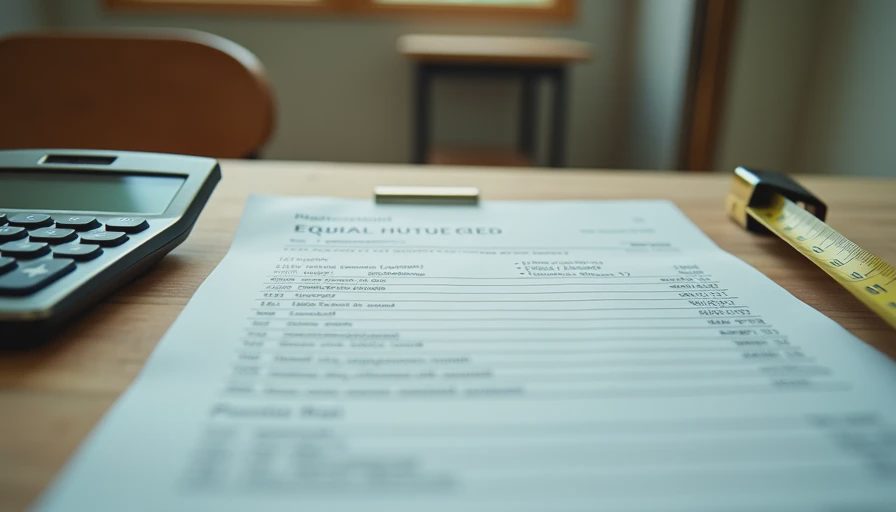
Here is the kind of budget I would write for a typical older house with a basement bath: $3,000 to $8,000 for plumbing and drain work, $1,000 to $2,500 for framing and drywall, $1,500 to $4,000 for tile and waterproofing, $1,000 to $3,000 for fixtures and trim, and another $1,500 to $4,000 for electrical, fan work, and permit-related labor. That gets you into the ballpark before surprises.
The biggest surprise is almost always hidden damage. Rotten subfloor, old wiring, bad cast iron, or a floor that slopes enough to make the toilet sit wrong can all add days. If a contractor bids your job without asking about the main stack, the ceiling height, and whether the slab is already broken, they are guessing. Guessing is how budgets explode.
If you want a cleaner number, get two quotes and make sure both contractors are pricing the same scope. Ask what fixture brands they are using, whether a sewage ejector is included, and what happens if they open the floor and find a bad line. That is the real answer to how much to build a bathroom in basement: not the prettiest number, but the one that survives once the concrete dust settles.
When to bring in a plumber or permit pro
If the job needs a new waste line, a sewage ejector, or any serious electrical changes, get a plumber involved early. That is not me dodging responsibility. That is me trying to keep you from buying tile for a room that cannot legally or safely drain. In most cases, the plumber should help layout the bathroom before the framing is final.
A good permit plan also keeps you from tearing up finished work later. Most cities want plumbing and electrical done properly, and basement baths often need inspection once the rough-in is complete. If your contractor shrugs at permits, that is a warning sign. I have seen too many basements where somebody tried to save a little upfront and spent twice as much fixing the shortcut.
Bottom line: figure out the drain path first, budget the rough-in honestly, and do not get seduced by shiny fixtures before the ugly work is solved. A bathroom built right once is a bathroom you forget about. That's the point.

No notes yet — be the first to inscribe one.