If you're trying to pin down the average cost to put bathroom in basement, start with a real number, not the fantasy quotes you see online. In a normal older house, a basic basement half bath can land around $12,000 to $22,000, while a full bath with a shower usually runs $25,000 to $50,000. The spread comes from slab cutting, drain location, pump work, and finishes. I’ve watched the same 5-by-8 room swing by ten grand just because the sewer line sat on the wrong side of the joists.
The first thing I ask on any basement bath is where the waste line lives and whether the slab already has a rough-in. If there’s a capped toilet flange and a nearby vent, you’re ahead of the game. If the floor is solid concrete with no plumbing stubbed up, you’re paying for demolition, trenching, concrete patching, and probably an ejector pump. That pump alone can run a few hundred dollars for the unit and several thousand once the plumber and electrician are done.
A small basement powder room is one animal. A legal full bath with a shower is another. Add a tile shower, a vent fan, a dedicated GFCI circuit, and decent waterproofing, and the number climbs fast. People get fooled by the vanity and toilet prices at the big box store. The real money is buried in the slab, the walls, and the parts nobody posts on Instagram.
What drives the average cost to put bathroom in basement
The biggest cost driver is gravity. If the new bathroom can tie into an existing drain stack without a lot of digging, the job stays sane. If the basement floor sits below the main sewer line, you need a sewage ejector system or a macerating toilet setup. I usually steer people toward a real ejector pit and pump when there’s a shower and real daily use, because that is a better long-term fix than a gadget that sounds clever in a catalog. A gravity rough-in might cost $4,000 to $8,000. Once you add an ejector pit, pump, venting, and concrete work, that can jump to $8,000 to $15,000 before finishes.
Ceiling height matters too. A lot of older basements need ductwork moved, pipes boxed in, or a soffit built to keep the room usable. Then there’s the floor. Cutting a slab, hauling out debris, and patching it back correctly is messy labor, not fancy labor, and it still eats money. I’ve seen homeowners spend more correcting a bad slab cut than they saved by hiring the cheapest bidder. That is money burned twice.
Where you can save is on scope, not quality. A 5-by-8 bath with a simple shower, standard toilet, and stock vanity is one budget. A curbless shower, custom glass, wall tile to the ceiling, and heated floor is another. One is practical. The other is showroom theater.
Where the average cost to put bathroom in basement jumps fast
The budget gets punched in the mouth when the room needs real waterproofing or when the plumbing layout gets creative. If you’re turning an unfinished corner into a bath, you need framing, insulation, drywall, electrical, lighting, and probably a fan that actually moves air. I like Panasonic WhisperCeiling fans because they are quiet and they do the job. Cheap fans look fine in a quote and then leave humidity hanging around long enough to grow problems.
Tile is another place where people underestimate labor. A shower that looks simple can still take a lot of time if the walls are out of square, the floor slopes wrong, or the drain is not centered. A Schluter Kerdi shower done right is not cheap, but it is a lot cheaper than tearing out moldy board later. Material-wise, you can buy a decent toilet for $250 to $500, a solid vanity for $300 to $900, and a midrange shower valve from Delta or Moen for $150 to $300. The labor to install all of it is where the bill grows legs.
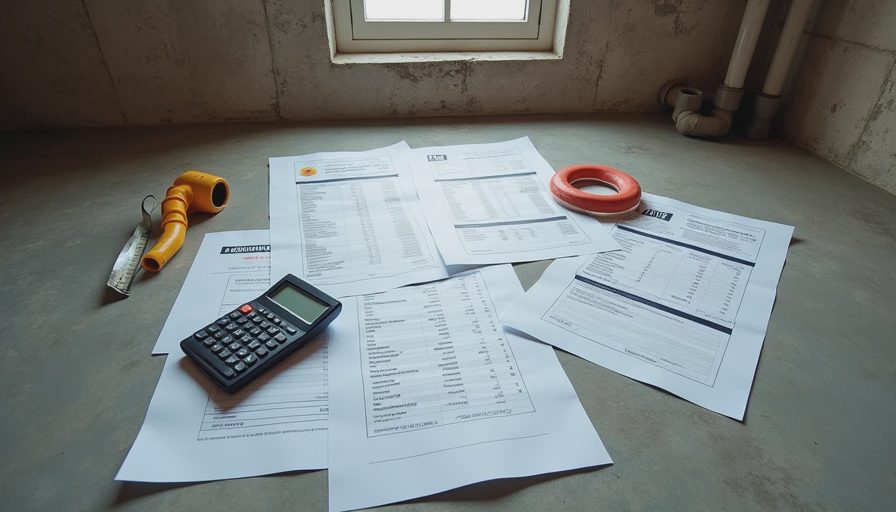
The rough-in is the cheap part, the finish work is not
People love to obsess over fixture prices because they are easy to see. The real bill hides in the boring stuff. Copper or PEX supply lines, waste piping, venting, backer board, thinset, waterproofing membrane, electrical boxes, drywall, primer, and paint all add up. Even a plain basement bath can carry a few thousand dollars in materials before the pretty stuff shows up.
I had a row house in Fishtown where the owner budgeted $18,000 because the toilet and vanity were on sale. By the time we cut the slab, rerouted a drain, added an ejector pump, and tiled a 3-by-5 shower, the job landed closer to $31,000. Nothing wild happened. It was just the normal stack of real work that nobody sees on a mood board. That is why the average cost to put bathroom in basement is never really about one line item. It is about how much hidden work the room is demanding.
What I’d spec in a normal basement bath
If I were building one for my own house, I would keep it boring in the best way. I’d use a Toto Drake or Kohler Cimarron toilet, a Delta MultiChoice valve, cement board or foam board in the shower, and Schluter waterproofing where it makes sense. I would not buy the cheapest shower pan on the rack and call it good. Basement moisture is not the place to chase bargain-bin heroics.
For tile, stick with something simple and forgiving. A 12-by-24 porcelain wall tile and a 2-by-2 shower floor mosaic are easy to maintain and do not make the room feel chopped up. If the room is small, a light tile color and a clean glass panel go farther than fancy patterns. Keep the vanity shallow if the walkway is tight. In a basement, every inch matters because mechanicals, stairs, and low ceilings already steal space.
How to save money without building a future leak
The cleanest savings come from staying close to existing plumbing. If you can locate the toilet, shower, and vanity near a main drain or stack, you cut hours off the job. A simple layout can save $3,000 to $7,000 right there. Another smart move is using standard sizes. A 60-inch shower base, a stock vanity, and off-the-shelf trim parts cost less than custom everything and install faster too.
What you should not cheap out on is drainage and waterproofing. A basement bathroom that leaks into the slab is a nightmare with a shovel attached. Spend the money on a proper pump if you need one, seal the shower correctly, and make sure the fan vents outside, not into the joists. That is the difference between a room that works and a room that stinks by next winter.
A simple budget breakdown you can use
Here is the rough way I’d pencil it for a normal full bath in an older basement. Demo and prep might be $1,500 to $3,500. Plumbing rough-in can run $4,000 to $10,000, and more if the slab gets opened wide or an ejector pit is needed. Electrical and lighting often land between $1,000 and $3,000. Drywall, insulation, and paint might be another $1,500 to $4,000. Tile work can be $4,000 to $12,000 depending on shower size and material. Fixtures, trim, vanity, and accessories usually add $2,000 to $6,000.
Put that together and a basic, decent basement bathroom often lands around $25,000 to $35,000. If the plumbing is simple and the finishes stay modest, you might get in a little lower. If the room needs major slab work, an ejector system, or higher-end tile, $40,000 to $55,000 is not crazy. The average cost to put bathroom in basement only looks small when somebody leaves out half the job.
Bottom line: get the drain plan, the waterproofing plan, and the finish level settled before demo starts, because that is where the money is won or lost. A bathroom built right once is a bathroom you forget about. That's the point.

No notes yet — be the first to inscribe one.