A handheld shower head is one of the few bathroom upgrades that can make an old shower genuinely easier to use without tearing out tile. I have installed plenty of them in South Philadelphia row houses, usually after somebody got tired of twisting under a fixed spray or rinsing shampoo from a child’s hair with one hand. The good ones are practical. The cheap ones spray sideways, sag in the holder, and develop a leak at the hose connection before the bathroom is paid off.
I have tiled and waterproofed more than 400 bathrooms, and my advice is simple: buy the hose, mount, and valve connection as carefully as the spray face. A $35 fixture can work well, while a $180 showroom model can be polished junk behind the escutcheon. Here is what I look for before putting one in a customer’s shower.
Why a handheld shower head makes sense
The biggest advantage is control. You can lift the sprayer from its wall bracket, aim water at your shoulders, rinse a dog, wash a child, or clean the corners of a fiberglass tub. That matters in older homes where the existing shower arm is too high, too low, or positioned for nobody taller than five feet eight. A handheld shower head also helps anyone with limited mobility because the spray does not have to stay above the user’s head.
A combination setup gives you a fixed shower head and a removable sprayer on the same supply. It is more useful than either fixture alone, but it needs a proper diverter. Some inexpensive models advertise six spray settings when the internal selector is nothing more than a plastic disk with tiny holes. You get a weak mist, a harsh jet, and four settings nobody uses.
For a basic installation, expect roughly $40 to $100 for a sound fixture, $15 to $35 for a metal or reinforced hose, and $75 to $200 for a plumber if the existing connection is accessible. Opening a tiled wall is a different job entirely. That is where a small fixture purchase can turn into several hundred dollars of repair work.
What to inspect before buying
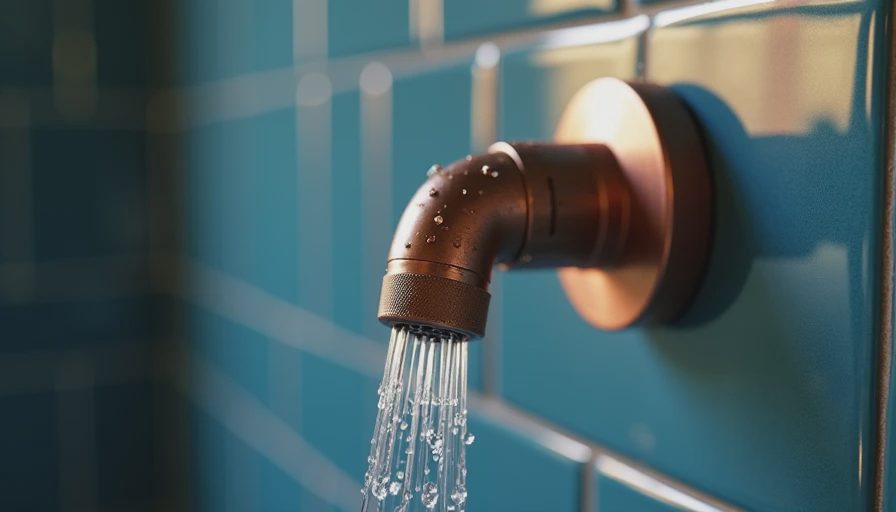
Start with the spray face. Rubber nozzles are useful because mineral buildup can be rubbed away with your thumb. A large face is not automatically better; some eight-inch faces deliver a lazy dribble when household pressure is ordinary. Look for a model that states its flow rate and has a sensible pressure range. In the United States, many residential shower fixtures are limited to 2.5 gallons per minute, though WaterSense models commonly use 2.0 gallons per minute or less.
Next, check the hose. A 60-inch hose is adequate for most standard showers. A 72-inch hose is better for bathing children, cleaning the enclosure, or reaching a bench. I prefer a smooth metal hose or a thick polymer hose with crimped ends. The paper-thin chrome-looking hoses sold in bargain bins kink easily and leave black marks on the wall.
The wall bracket deserves more attention than it gets. A fixed plastic cradle screwed into drywall will eventually pull loose when somebody uses it to steady themselves. If the shower is being renovated, anchor the bracket to blocking or a solid backer. On an existing finished wall, use appropriate anchors and do not rely on a single tiny screw. Brands such as Moen, Delta, Kohler, and Hansgrohe generally offer better replacement parts than anonymous marketplace brands, which matters five years later.
The valve and connection are where leaks start
Most handheld shower head kits connect to a standard shower arm or a diverter fitting. That part is straightforward if the plumbing is sound. It is not straightforward when the old shower arm is corroded, the female fitting inside the wall is loose, or somebody has buried layers of plumber’s tape under a leaking connection.
For threaded joints, use PTFE tape correctly: wrap it in the direction of the threads, keep it off the first thread, and make a clean two or three turns. Do not bury a fitting in tape and crank it until the brass cracks. Hand-tight plus a small wrench adjustment is usually enough. A rubber washer seals a hose connection; tape does not replace that washer.
A diverter lets you switch between the fixed head and the handheld sprayer. A three-way diverter can run either outlet or both, but running both may reduce pressure. If the shower valve already struggles, adding a second outlet will not create water. It will divide what is available. I have seen homeowners blame a new handheld shower head when the actual problem was a clogged cartridge or a half-closed service stop.
If the valve body is buried behind tile and needs replacement, stop treating the project like a Saturday accessory swap. Call a licensed plumber or an experienced remodeler. A wrong connection inside the wall can leak for months before the ceiling below shows the damage.
Installation mistakes I see repeatedly
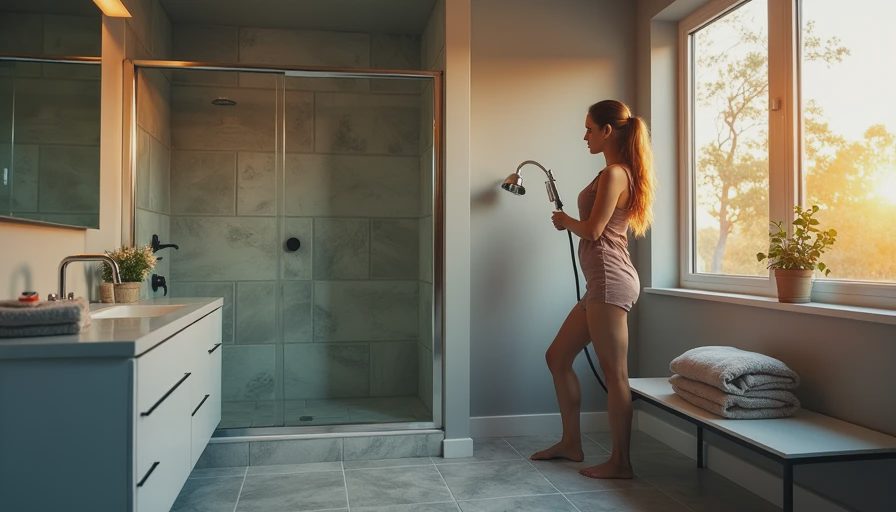
The first mistake is mounting the bracket too high. People hold the sprayer at eye level while standing in the empty shower, then discover that the hose pulls tight when they sit or bend down. Mount the cradle where the lowest user can reach it comfortably, often between 42 and 54 inches above the finished shower floor. Leave enough hose slack that it hangs in a gentle curve instead of rubbing the wall.
The second mistake is installing the fixture before the finished wall is complete. Tile, thinset, waterproofing, and trim can change the final surface by half an inch or more. A bracket installed against bare cement board may sit too deep once the tile is finished. Mark the location early, but drill and fasten after you know the final wall plane.
The third mistake is trusting a suction-cup mount in a working bathroom. It may hold for weeks on smooth glass, then let go at 6 a.m. and crack the handle. Suction is fine for a temporary rental solution. For a permanent installation, use screws and proper anchors.
My practical buying recommendations
For a rental or quick refresh, choose a Delta or Moen handheld shower head with a 60-inch hose, rubber spray tips, and a simple wall cradle. You should be in the $50 to $90 range. Avoid kits with ten spray patterns, LED lights, or a plastic hose advertised as luxury. Those features do not improve rinsing and give more parts a chance to fail.
For a family bathroom, spend closer to $100 to $180 on a combination unit with a sturdy diverter and a 72-inch hose. Delta’s In2ition line is common for this type of setup, while Moen’s Magnetix products are convenient because the sprayer docks magnetically. The magnetic connection is handy, but it is not a substitute for solid mounting. If the bracket is loose, a magnet only makes the falling fixture easier to catch.
For a wheelchair-accessible or aging-in-place bathroom, plan the handheld shower head with the grab bars, seat, and valve location. Do not install a grab bar after the tile is finished unless you know where the blocking is. The sprayer should be reachable from the seated position, and the hose should not catch on the control handle. This is design that earns its keep instead of design jargon painted on a showroom wall.
A simple test before you close the wall
Before waterproofing or finishing, pressurize the lines and run every outlet for several minutes. Dry the threaded joints with a paper towel, then check again. A slow leak can leave a tiny dark ring on the towel even when the fitting looks dry. Cycle the diverter repeatedly, pull the hose through its full range, and make sure the bracket does not twist.
After installation, remove the sprayer once a month and inspect the rubber washer. Replace a flattened washer for a few dollars rather than tightening the connection until the plastic or brass fitting splits. Wipe mineral deposits from the spray face and keep the hose from looping sharply behind the fixture. These small habits prevent the annoying drips that send homeowners searching for a new fixture when the original only needed maintenance.
If you are replacing an existing fixture without moving plumbing, this is a manageable upgrade for a careful DIYer. If you are cutting tile, relocating a valve, or opening a wall with unknown plumbing, the labor is cheaper than repairing water damage. A bathroom built right once is a bathroom you forget about. That is the point.



No notes yet — be the first to inscribe one.