If you're picking out powder room wall tile for a half bath, you've got more options than ever—and more ways to waste money. I've tiled over 300 bathrooms, and the powder room is unique. It's a small space that gets less moisture than a full bath, so your tile choices open up. But that doesn't mean you should just grab the cheapest subway tile at the big box and call it a day. Let's talk about what actually works, what doesn't, and what'll cost you.
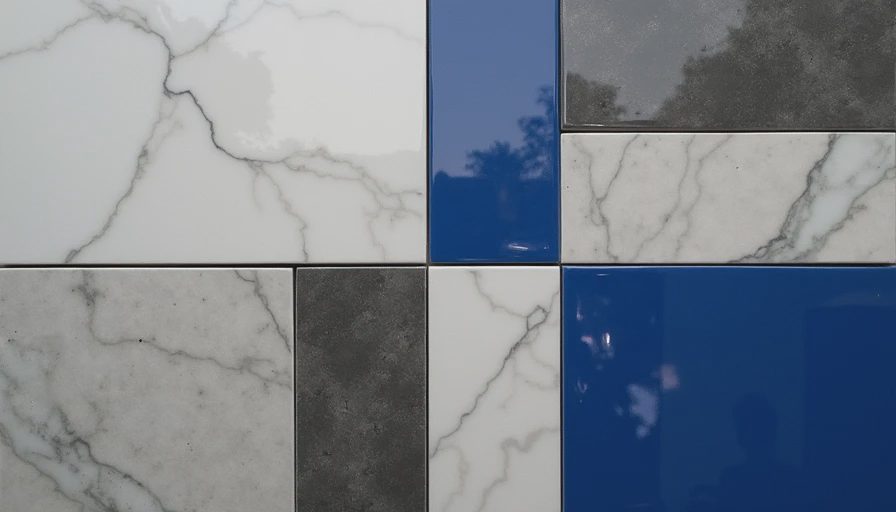
Why powder room wall tile is different from shower tile
In a shower, your tile has to deal with constant water exposure, steam, and cleaning chemicals. A powder room? It's mostly dry. That means you can use materials that wouldn't hold up in a wet area—like some natural stones or unglazed ceramics—as long as you seal them properly. But there's a catch: powder rooms are often the bathroom guests see. So the wall tile carries more aesthetic weight. You want something that looks good and holds up to occasional splashes and handwashing.
For powder room wall tile, I've installed everything from 12x24 porcelain to handmade zellige. Each has its place. Porcelain is workhorse—easy to clean, durable, and affordable. Ceramic is similar but softer. Natural stone like marble or travertine adds a high-end look but needs more maintenance. And glass tile can really pop in a small space, but installation costs more because it's trickier to cut. I once used a crackle-glaze ceramic on a powder room wall for a client in Fishtown—looked amazing, but the homeowner regretted it when every toothpaste speck showed. So pick something that can handle a little mess.
Top tile materials for powder rooms: pros and cons
Let's break down the main contenders for powder room wall tile:
Porcelain (glazed or through-body):
- Cost: $3–$15 per square foot
- Durability: Excellent for walls. Won't absorb moisture.
- Looks: Can mimic wood, stone, concrete. Very versatile.
- Maintenance: Wipe with a damp cloth. Done.
Ceramic:
- Cost: $1–$10 per square foot
- Durability: Good for walls, not for floors (too soft).
- Looks: Wide range, but less realistic high-end patterns than porcelain.
- Maintenance: Same as porcelain.
Natural stone (marble, travertine, slate):
- Cost: $5–$30+ per square foot
- Durability: Needs sealing. Can stain and etch.
- Looks: Unmatched luxury.
- Maintenance: Seal every 1-2 years. Use pH neutral cleaner.
Glass tile:
- Cost: $7–$20+ per square foot (plus higher labor)
- Durability: Hard but can chip if hit. Not for floors.
- Looks: Reflective, modern.
- Maintenance: Shows water spots. Wipe with squeegee.
Zellige (handmade Moroccan tile):
- Cost: $10–$25 per square foot
- Durability: Glazed, but uneven surface can hold dirt.
- Looks: Beautiful, unique, but can have color variation.
- Maintenance: Clean gently. Not for heavy use.
For most homeowners, I recommend a good porcelain or ceramic tile for powder room wall tile. It's forgiving and budget-friendly. If you want to splurge, do a feature wall in glass or zellige.
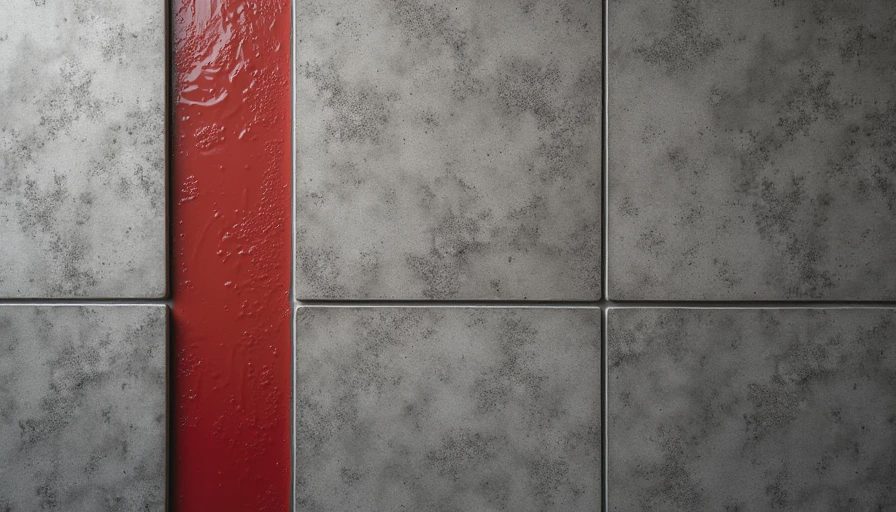
How much does powder room wall tile cost? The real numbers
I just quoted a job for a 6x8 powder room—wall tile up to wainscot height (4 feet). The customer wanted a marble look porcelain. Tile cost: about $800 for 80 square feet. Thinset, grout, and tools added $100. My labor: $1,200. Total tile installation: $2,100. Add a pedestal sink, toilet, and vanity, and you're at $4,500 for the room.
If you go with cheap ceramic from Home Depot (like Daltile's Restorations line at $1.69/sq ft), you can do the whole room for under $200 in materials. But you'll still pay for installation—no one does it for free. Expect $8–$12 per square foot for a pro install. For a small powder room, that's $500–$800.
The biggest mistake I see is people buying high-end tile but skimping on prep. A powder room wall tile job is only as good as the substrate. Make sure the walls are flat. I've had to rip out tile because the drywall wasn't properly prepared. That's a costly do-over. Also, don't forget to account for waste—buy 10% extra tile. No one ever regrets having a few spare pieces.
Installation tips from a guy who's done this 300 times
- Subfloor and walls first: Use a level to check for bows. If your walls are out more than 1/8 inch over 4 feet, fix them before tiling. I like to use a patch compound or even new drywall if it's bad.
- Layout matters: In a small room, avoid small cuts at corners. Center the tile layout so you have balanced cuts on both sides.
- Grout line size: For rectified porcelain, use 1/16" spacers for a modern look. For handmade tiles, allow 1/8" to 3/16" to accommodate variation.
- Sealer for stone: If you choose natural stone for your powder room wall tile, apply a penetrating sealer before grouting and again after. Trust me, it's worth the hour.
- Caulk not grout: Where the tile meets the sink, toilet, or floor, use caulk. Grout will crack there.
Common mistakes to avoid
I've seen these more times than I can count:
- Using floor tile on walls. Not all floor tile is rated for walls—check the manufacturer.
- Ignoring the electrical boxes. Make sure your tile layout accommodates outlets and switches. Nothing looks worse than a cut right through the middle of a tile.
- Forgetting about lighting. Dark tile in a powder room with one small window? You'll hate it. Consider the natural and artificial light.
- Choosing tiny tile. Small mosaic on all walls creates a busy look and more grout to clean. Stick with larger formats for a cleaner feel.
Final verdict: What should you pick?
For 90% of powder rooms, I'd pick a large-format porcelain tile (12x24 or 24x48) in a matte finish. It looks clean, reduces grout lines, and is easy to maintain. Stick with neutral colors if you're not sure about resale. If you want a statement, do a contrasting grout color or a feature wall behind the sink.
A bathroom built right once is a bathroom you forget about. That's the point.

No notes yet — be the first to inscribe one.