If you're staring at a concrete slab and wondering whether the cost to put bathroom in basement will wreck the budget, here's the honest answer: for most older homes, you're usually looking at $18,000 to $45,000 for a full bath, and that number moves fast once you start cutting concrete, adding a pump, or fixing moisture problems. A simple half bath tied into an existing rough-in can come in lower, but the minute you want a shower, the plumbing and waterproofing stop being small-ticket items. I've done enough of these in row houses and split-levels to know the cheap version is almost never the cheap version by the time the dust settles.
The rough numbers I see in the field
The cost to put bathroom in basement usually falls into three buckets. If the basement already has a legal rough-in, decent ceiling height, and the drain line is nearby, a basic half bath can land around $8,000 to $15,000. That is still real money, but you're not paying for major slab work or a sewage ejector. Once you add a shower, a proper vent fan, and more finish work, a standard full bath tends to run $18,000 to $30,000 in a straightforward job.
When the basement is finished, the slab has to be broken, the drain path is ugly, or the sewer exit sits too high for gravity drainage, costs jump. I see $30,000 to $60,000 on those jobs, especially in older homes where the crew has to trench the slab, install a pump, frame around pipes, and patch everything back together. That is also the range where permit fees, electrical upgrades, and moisture repair sneak in and nudge the number up another few thousand.
A lot of homeowners fixate on tile prices and miss the ugly stuff under the floor. Tile is visible. The drain is not. But the drain is what decides whether the bathroom works for twenty years or makes you miserable in two.
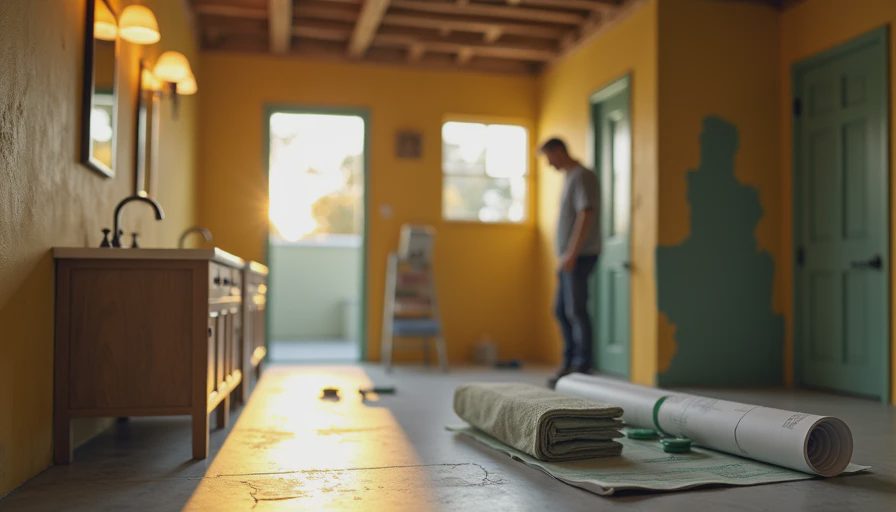
What drives the bill up fast
Plumbing is the big one. If the new bath can tie into existing waste and vent lines without a long run, you're in much better shape. If it cannot, you're paying for labor, fittings, and sometimes a sewage ejector basin and pump. I like a real pump setup when the layout calls for it, because it solves the problem cleanly. A macerating toilet can work in a tight spot, but I would not call it my first choice for a forever house.
Moisture is the other thing people underestimate. Basements live with humidity, cold concrete, and the occasional seepage problem. That means you need more than paint and wishful thinking. I want waterproofing behind the shower walls, a proper shower pan, a fan that actually moves air, and a floor finish that can take a little dampness without curling or swelling. Schluter Kerdi, Wedi, and a good sheet membrane system are worth the money when the shower is below grade.
Fixture choices matter too. A Toto or Kohler toilet can run $300 to $700 before install, while a basic American Standard or Gerber model can save a few hundred and still do the job. Delta and Moen valves are common workhorses. You do not need a designer faucet from a showroom with a glass wall and a coffee bar. You do need parts that will still be available when a cartridge fails in seven years.
Ceiling height and layout matter more than people think. If the basement ceiling is tight and you need to dodge ducts, beams, or a low joist run, the framing takes longer and the finished room feels smaller. Every time a pipe or wire has to move, the labor number climbs.
Where to save without creating a future headache
The smartest savings are in the stuff you can replace later. A plain porcelain floor tile often looks cleaner and lasts longer than trendy natural stone, and it costs a lot less. A stock vanity from IKEA, Home Depot, or a local supplier can work fine if the box is solid and the sink cutout is done right. Lighting does not need to be a custom designer package either. A clean LED wafer light and a decent vanity light will make the room feel finished without draining the budget.
Do not cheap out on the parts you never want to open up again. That means waterproofing, drain plumbing, exhaust ventilation, and the shower pan. I have seen people spend extra on fancy matte black trim and then try to save two grand on the membrane system. That is backwards. A bathroom built right once is a bathroom you forget about. That's the point.
If you're trying to control the cost to put bathroom in basement, ask for line-item allowances on tile, toilet, vanity, and fixtures, but insist on a fixed scope for the hidden work. Hidden work is where surprise orders live. Visible finishes can be adjusted at the store after the rough-in is done.
A real example from an older row house
On one South Philly job, the cost to put bathroom in basement came in at about $27,000 for a 5-by-9 full bath with a 36-by-60 shower. The house had an old concrete slab, a sewer line that sat too high for gravity drainage, and a joist bay full of HVAC ductwork. We broke and patched concrete, set a Liberty Pumps ejector system, framed a small shower wall, ran a Delta valve, installed a Kohler toilet, and used Schluter Kerdi in the shower. The vanity was a standard stock unit, not custom furniture, and the tile was a clean porcelain that looked sharp without acting like museum marble.
The homeowner wanted the room to feel better than a basement, not like a basement pretending to be a spa. That is the right target. The money went into the structure and the wet area, not into unnecessary trim packages. The bathroom ended up working because the plumbing layout was solved first and the finishes were chosen second.
That kind of project is also where people realize a basement bath is not just a finish carpentry job. It is a plumbing, drainage, ventilation, and moisture-control job that happens to end with tile.
Questions I hear before anybody signs a contract
Do you always need a pump?
No, but if the basement fixtures sit below the main sewer line or the drain route is impossible by gravity, a pump becomes part of the design. I prefer a real ejector system when there is room for one, because it is built for the job. If space is too tight, a macerating system can solve a problem, but I would want the homeowner to understand what they are buying before they commit.
Can a shower go directly on concrete?
Not the way people imagine it. Concrete is not the waterproofing system. You still need the right pan, the right drain, and wall waterproofing behind the tile. If somebody tells you cement board alone is enough, keep walking.
What should be in the estimate?
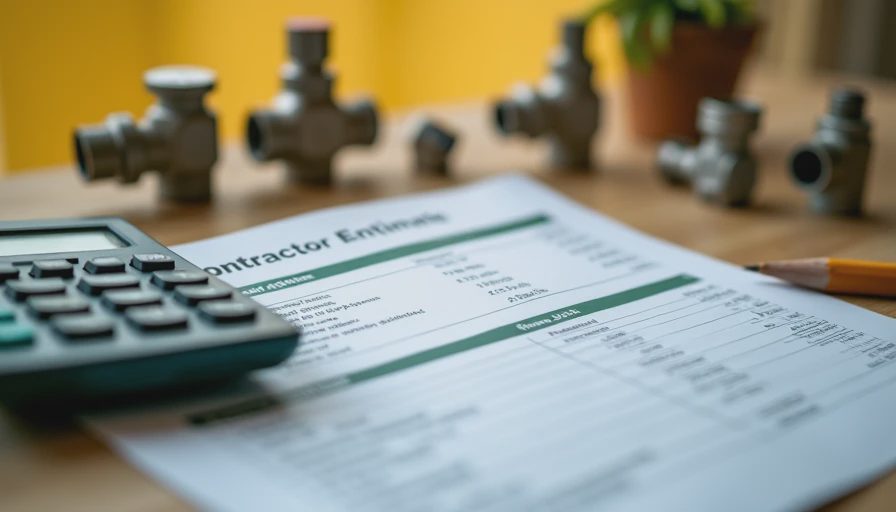
You want demolition, plumbing, electrical, waterproofing, insulation, venting, permits, fixtures, and finish materials spelled out. If the quote says misc. labor or leaves the pump, fan, and patching vague, that is not a complete bid. Vague numbers turn into change orders.
If you want the cost to put bathroom in basement to stay sane, build the plan around the plumbing, ventilation, and waterproofing first, then choose the tile and fixtures after the hard parts are locked in. Do that, and you buy yourself a room that works every day without drama.
No notes yet — be the first to inscribe one.