
If your house was built before about 1950, drum trap plumbing may be hiding under the bathtub or in the basement ceiling. It looks like a squat metal can, usually wider than the drainpipe, with a removable cover on top or one side. The original idea was simple: hold water in the trap so sewer gas could not enter the house. The trouble is that this design also holds hair, soap, rust, and anything else that washes down the tub.
I have opened plenty of these in Philadelphia row houses. Some were merely nasty. Others were packed solid and corroded so badly that touching the cover started a leak. If you are renovating an old bathroom, this is not a place to blindly crank on a wrench. Find out what you have, decide whether it can be cleaned safely, and replace it when the surrounding plumbing is already exposed.
What a drum trap does and why it causes trouble
A conventional P-trap has a curved section of pipe that holds a small amount of water. The shape lets water drain reasonably well while maintaining a seal against sewer gases. A drum trap uses a larger chamber instead. That chamber can have a removable access plate, which sounds convenient until decades of mineral buildup weld the cover in place.
The main weakness of drum trap plumbing is poor flow. Hair and bath debris settle in the bottom instead of moving through the line. The narrow inlet and outlet can also collect corrosion flakes from old galvanized steel pipe. A plunger may move water temporarily, but it will not remove a shelf of hardened sludge inside the chamber.
There is another concern: many old drum traps are made from cast iron, galvanized steel, or brass that has been exposed to moisture for generations. A cover gasket can fail, threads can strip, and the body can crack. When that happens, a slow drip may run unnoticed between floors. By the time you see a ceiling stain, the subfloor may already be soft.
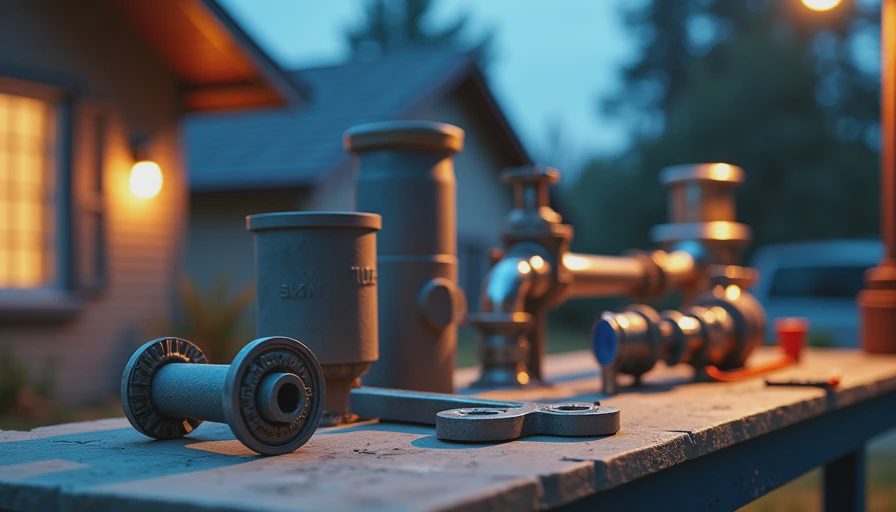
How to identify drum trap plumbing in your house
Start at the bathtub, not at the drain in the floor. In a basement, crawl space, or access panel, follow the tub waste line until you find a round or oval chamber. A typical drum trap is roughly four to eight inches across, though sizes vary. It may have a square-head plug, a threaded cap, or a flat plate held by several screws.
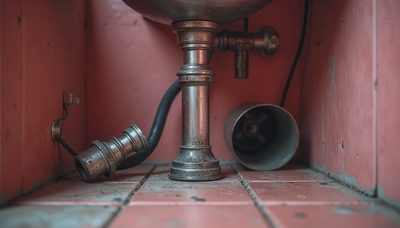
Do not confuse it with a cleanout or a modern P-trap. A cleanout is usually installed on a straight drain line and does not sit directly below a fixture. A modern P-trap has a visible U or J shape and is normally made from PVC, ABS, or newer metal pipe. Drum trap plumbing often looks like an oversized can inserted between two horizontal or slightly angled sections of old pipe.
Take a photograph before removing anything. Look for active moisture, white mineral crust, rust streaks, and a missing cover. If the trap is in a finished ceiling, do not cut a large access hole just to investigate unless you are prepared to repair the drywall. A plumber can often identify the setup through an existing opening or from the tub waste connection.
Can you clean an old drum trap?
Sometimes, but this is where a five-minute repair can become a flooded room. If the cover turns easily and the metal is sound, a plumber may remove it, scoop out the debris, and install a new gasket or threaded plug. A small plastic container and towels should be ready because the chamber contains dirty water even when the tub appears empty.
I do not recommend attacking stuck covers with a torch under a wood-framed floor. Penetrating oil can help with a threaded cap, but it cannot repair metal that is already paper-thin. A large pipe wrench can also twist the old trap or crack the fitting. That is an expensive way to turn a slow drain into an open drain between floors.
Chemical drain cleaners are a particularly poor choice here. They may sit inside the drum, damage old metal, and create a caustic splash hazard for whoever opens it next. A hand auger can sometimes clear the line beyond the trap, but it will not reliably clean the chamber itself. If the drain backs up repeatedly, cleaning is probably only a short-term fix.
Replacement is usually the better renovation decision
When a bathroom wall or ceiling is already open, replacing drum trap plumbing with a properly sized P-trap is usually the sensible move. The new trap should remain accessible enough for future service, and the drain line needs the correct slope toward the branch line. Simply cutting out the drum and stuffing in a random collection of fittings is not a repair; it is a future leak with a fresh coat of hope.
The exact work depends on pipe material and access. PVC and ABS are straightforward for a plumber who can reach both connections. Cast iron may require a shielded no-hub coupling and careful support of the remaining pipe. Galvanized sections can be brittle, especially at old threaded joints. If the tub is sitting on a slab, access may require opening the floor, which can push the job from a few hundred dollars into the low thousands once concrete, tile, and finish work are included.
For a typical accessible trap replacement, I would expect labor and basic materials to land around $250 to $700 in many markets. Tight access, damaged branch piping, emergency service, or finish repairs can raise that number. Get the price for access and restoration in writing, not just a cheerful estimate for swapping the trap.

A practical inspection plan before you remodel
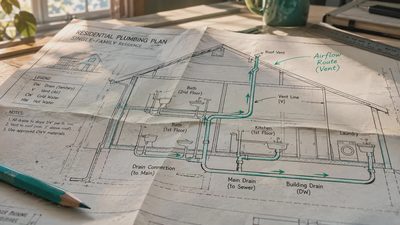
First, run the tub for several minutes and watch the exposed piping while someone checks below. Second, inspect the area again after the water stops. A leak that only appears during draining points toward a joint, trap body, or waste connection. Third, measure the access opening and photograph every fitting before demolition.
Next, ask the plumber whether the trap can be replaced without moving the tub. In some bathrooms, removing a small section of ceiling is cheaper and cleaner than disturbing the tub surround. In others, the drain connection is buried behind a tiled wall, and the best time to reach it is before waterproofing and tile go in.
If the trap is badly corroded, avoid using the bathtub until it is assessed. A drain that still works is not proof that the metal is safe. Keep a bucket under any questionable joint and do not leave the area unattended during testing. After replacement, fill the tub, release it, and inspect every connection with a dry paper towel. Paper shows a small drip long before a ceiling does.
What not to accept from a contractor
Do not accept the explanation that an old drum trap is automatically fine because it has lasted this long. Longevity is not a condition report. Also be cautious if someone proposes sealing the cover with silicone instead of repairing the threads or gasket. Silicone can hide a problem, but it is not a structural connection.
You should receive a clear description of the new trap, pipe material, access plan, and testing procedure. The plumber should also explain whether the existing drain line is cast iron, galvanized steel, copper, PVC, or a mixture. Mixed old materials are common, and the transition points deserve as much attention as the trap itself.
For drum trap plumbing in a finished home, the cheapest bid is often the one that excludes ceiling repair, tub removal, or replacement of the first damaged fitting. I would rather pay for a clean access panel and a tested connection than save $200 and discover a wet ceiling after the contractor leaves.
The bottom line for old bathroom drains
Drum trap plumbing is an understandable design from another era, but it is a poor fit for a modern bathroom renovation. It catches debris, drains slowly, and becomes harder to service as the metal ages. Cleaning can work when the trap is sound and accessible; replacement is the better long-term answer when corrosion, recurring clogs, or exposed renovation work is already on the table.
A bathroom built right once is a bathroom you forget about. That's the point. Find the trap before the tile goes in, replace questionable metal with a properly supported P-trap, test it with a full tub discharge, and spend the money on access instead of pretending the old canister will behave forever.

No notes yet — be the first to inscribe one.