
If your older bathroom has a slow bathtub drain, a sewer smell, or a mysterious round cover under the floor, you may have a drum trap. A drum trap is an outdated plumbing fitting found in plenty of pre-1980 homes, especially houses built before modern drain design became standard. I have opened many of them during bathroom renovations, and the honest answer is usually the same: they were clever for their time, but they are miserable to clean and rarely worth preserving.
The good news is that seeing one does not automatically mean your bathroom needs to be torn apart. The bad news is that a drum trap can hide below a finished floor, under a basement ceiling, or behind a tub apron. Before you start loosening fittings, understand what it does, why it fails, and when calling a plumber is cheaper than repairing a flooded ceiling.
What a drum trap is and why older homes have them
A drum trap is a large, barrel-shaped section of drain piping designed to hold water and block sewer gases from entering the house. Unlike a modern P-trap, which has a compact curved shape and a clearly defined flow path, a drum trap has a removable top or side access cover. Water enters the chamber, slows down, and exits through a separate opening. Hair, soap, rust, and sediment settle inside that chamber over the years.
Plumbers installed these fittings beneath bathtubs and sometimes beneath laundry fixtures in older American homes. The larger chamber sounded useful because it could catch debris, but that same volume creates the problem. Once the trap fills with sludge, a plunger often cannot move the blockage. A cable can also snag or pass through the wrong opening. The drum trap becomes a little steel basement full of wet garbage, and nobody wants to be the person cleaning it at 8 a.m. on a Saturday.
I remember a row house in Fishtown where the bathtub drained into a drum trap buried beneath a plywood patch in the basement ceiling. The homeowner had already paid for two drain cleanings. Both contractors pushed a snake from the tub and called the line open. It worked for a week, then slowed again. When we opened the access cover, the chamber was packed with hair and mineral scale. The real fix was replacing the trap and correcting the access, not repeatedly forcing a cable through it.
How to identify a drum trap without guessing
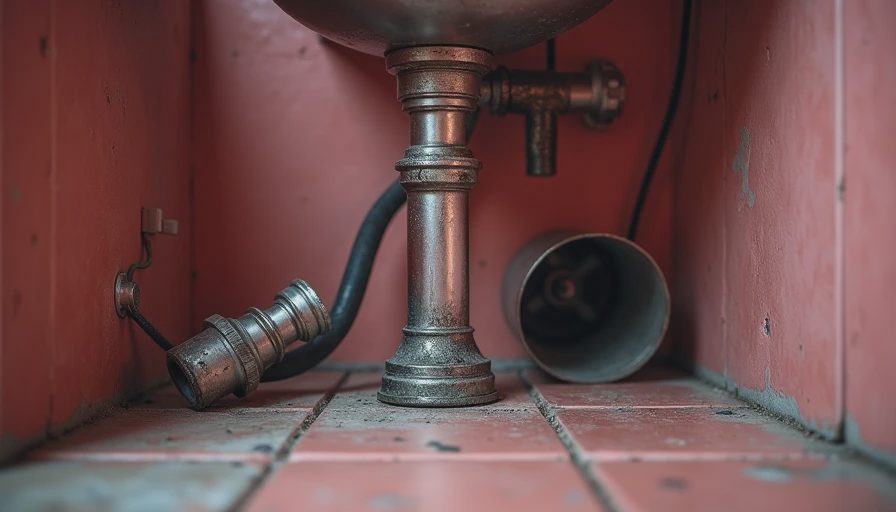
The easiest clue is a round, metal access cover roughly four to eight inches across. You may find it in a basement ceiling, inside a crawl space, behind a removable tub panel, or below a floor access hatch. Older covers are often brass, galvanized steel, or cast iron. Some are painted over, rusted shut, or hidden beneath layers of flooring and patch material.
A slow tub drain alone does not prove you have a drum trap. The problem could be a hair clog near the stopper, a blocked overflow passage, poor venting, or a damaged drain line. If you have access below the tub, look for a wide cylindrical fitting rather than the compact U-shaped P-trap used in newer work. Do not remove a corroded cover with a pipe wrench while standing over finished flooring. The cover can break, the fitting can crack, and a small leak can become a very expensive ceiling repair.
A camera inspection is useful when the fitting is buried or the drain layout is unclear. A plumber can often identify the trap from below without opening the bathroom floor. In many homes, the access point tells you more than the bathtub drain itself. Photograph the piping before anyone cuts it, because old plumbing routes are not always logical, straight, or easy to reproduce.
Can a drum trap be repaired or cleaned?
Sometimes, yes. If the cover comes off cleanly and the cast iron or brass body is sound, a plumber can remove the accumulated debris, replace the cover gasket, and test the drain. That is a reasonable short-term repair for a rental, a bathroom awaiting renovation, or a trap that has only recently started acting up. A basic cleaning might cost around $150 to $350, depending on access and local labor rates.
The trouble is that cleaning does not make the design modern. A drum trap still has a broad chamber where debris can collect. The cover may leak after being disturbed, and old threads can be too damaged to seal reliably. If the trap is made from thin galvanized steel, expect rust flakes and pinholes once the fitting is exposed. I have seen homeowners spend $250 cleaning a drum trap, then spend another $700 six months later replacing the same section because the body finally leaked.
Do not pour chemical drain opener into the trap. It can sit in the chamber, damage old metal, burn the next person who opens the cover, and create a worse hazard if the line must be cut. A hand auger or professional cable is safer, but access and pipe condition still determine the right method. If water is backing up, stop using the tub until the blockage is diagnosed.

Replacing a drum trap with a modern P-trap
For a long-term repair, replacement is usually the better move. A plumber removes the old fitting and installs a properly sized P-trap with the correct drain slope and vent connection. The exact work depends on the tub location, framing, pipe material, and access. In an unfinished basement, replacing a drum trap may take two to four hours and cost roughly $400 to $900. Cutting finished tile or opening a plaster ceiling can push the total higher.
The new trap must remain accessible enough for future service, but it should not be left with a loose panel that lets sewer gas into the room. A cleanout can be added where appropriate. The plumber also needs to confirm that the trap arm is configured correctly and that the drain is vented according to local plumbing requirements. Simply swapping the barrel for a random U-shaped fitting is not a proper repair.
This is one job where the cheapest quote can become the most expensive. Ask whether the price includes opening and patching access, replacing nearby galvanized pipe, testing for leaks, and installing a new tub drain connection. If the old pipe is already brittle, replacing only the trap may leave the next failure six inches away. Get the repair described in writing before the first cut.
When DIY makes sense and when it does not
A capable DIYer can remove a tub stopper, clean a reachable hair clog, and inspect an obvious access panel. That is where I would stop unless you have real plumbing experience. A drum trap may be connected to cast iron, galvanized steel, copper, or a mixture of all three. Each material brings different connection methods, and old threaded joints can crack when twisted.
Call a licensed plumber when the access cover is seized, the drain is leaking, the trap is buried under finished flooring, or wastewater is backing up. Also call one if the repair requires cutting a basement ceiling or changing vent piping. The plumber is not just removing a clog; they are protecting the drain system from leaks, sewer gas, and improper flow. A $100 service visit is a lot less painful than replacing a damaged hardwood floor or moldy ceiling.
Before the appointment, clear the tub area, locate the main water shutoff even though drain work normally does not require it, and show the plumber every access point. Take pictures of the fitting and write down when the slow drain occurs. That information can save an hour of exploratory work.
The bottom line for an old drum trap
A clean, intact drum trap can sometimes keep working, but it is not an upgrade worth installing today. If the fitting is accessible and the bathroom is due for renovation, replace it while the walls or ceiling are already open. If it is hidden and functioning, you can plan rather than panic, but do not ignore repeated clogs, rust stains, damp framing, or sewer odors.
A bathroom built right once is a bathroom you forget about. That is the point. In most older homes, replacing the drum trap with a correctly vented P-trap is a practical investment in fewer blockages, easier service, and less chance of a rotten ceiling later.


No notes yet — be the first to inscribe one.