
If you are standing in the tile aisle wondering what is grout and why there are fourteen bags that look almost identical, you are not alone. Grout is the material packed into the joints between tiles. It fills the gaps, keeps dirt from collecting in those joints, supports tile edges, and gives the finished wall or floor its appearance. It is important work, but grout is not waterproofing, and it is not the glue holding your bathroom together. That distinction saves people from expensive mistakes.
I have removed plenty of showers where the tile looked fine from the doorway but the joints were cracked, soft, or black with moisture. Usually, the failure started before the grout went in. The installer skipped movement joints, mixed the product with too much water, or treated grout as a substitute for a proper waterproof membrane. A bathroom built right once is a bathroom you forget about. That's the point.
What Is Grout Made Of?
Traditional cement grout is a blend of cement, fine aggregate, and color pigments. The aggregate is what gives sanded grout its gritty texture. Unsanded grout uses finer particles and is intended for narrower joints, usually around one-eighth inch or less. Once mixed with water, the cement hydrates and hardens around the tile edges.
That answers what is grout at the basic level, but the product aisle has moved beyond ordinary cement. Polymer-modified cement grout includes additives that improve adhesion, flexibility, color consistency, and stain resistance. Products such as MAPEI Ultracolor Plus FA and LATICRETE Permacolor Select are common choices for residential work. They cost more than bargain-bin grout, but a $35 to $60 bag is cheap compared with removing a failed shower floor.
Epoxy grout is a different animal. It uses resin and hardener instead of cement, so it resists stains, chemicals, and water absorption better. It is useful behind a kitchen range, around a wet shower niche, or on a commercial-looking floor. It is also stickier, more expensive, and less forgiving during installation. If you have never grouted before, epoxy is not the place to learn.
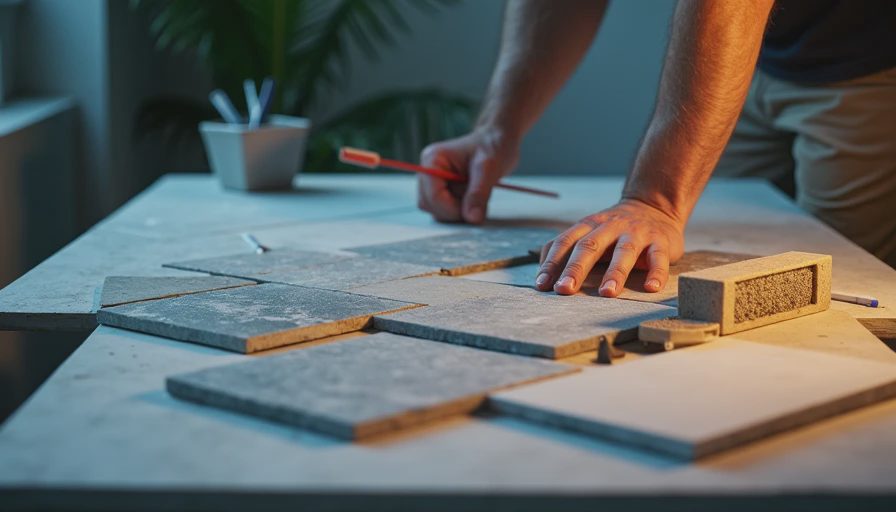
Cement Grout, Epoxy Grout, and Premixed Grout
The practical answer to what is grout also depends on where the tile is going. For a normal bathroom wall, a quality polymer-modified cement grout is usually the sensible choice. It is workable, repairable, and available in plenty of colors. On a shower floor, I often prefer a high-performance cement grout or epoxy if the homeowner can handle the higher labor cost.
Premixed grout is convenient because there is no measuring water or powder. Some products perform well, but read the label carefully. Premixed acrylic or urethane grout is not interchangeable with cement grout, and its cure time can be longer than a weekend DIY schedule allows. A small 25-square-foot backsplash might use $30 to $80 of grout and supplies. A full shower can consume several bags or tubs, depending on tile size and joint width.
Avoid choosing grout color from a tiny paper chip under fluorescent store lighting. Bring a tile sample home and view it in the actual room. White grout shows every coffee spill and shampoo splash. Very dark grout can develop a hazy, uneven appearance if the mixing or cleanup is poor. Medium gray, warm gray, and soft beige are often easier to live with than stark white.
How Grout Is Installed Correctly
Before asking what is grout, understand what it needs from the tile installation. The tile must be firmly bonded, the joints must be reasonably clean, and the thin-set mortar must have cured according to its instructions. Grout packed over soft mortar or debris is destined for trouble.
A setter mixes cement grout to a thick, creamy consistency, usually like smooth peanut butter. Too much water weakens the mix and can wash pigment out of the joints. Too little water makes it difficult to pack the joint fully. After a short slaking period, the grout is remixed without adding extra water. That step is boring, but skipping it can produce soft or blotchy joints.
The grout float is held at roughly a 45-degree angle and moved diagonally across the tile so the material fills the joints instead of being scraped back out. Cleanup starts with a damp, well-wrung sponge. A dripping sponge pulls cement and color from the joint. The haze left after curing can usually be polished away with a dry towel, but heavy residue may require a manufacturer-approved cleaner.
Corners and changes of plane are not ordinary grout joints. Where a shower wall meets another wall, the wall meets the floor, or tile meets a tub, use a flexible sealant designed for wet areas. Those locations move slightly. Rigid grout commonly cracks there, even when the rest of the installation is sound.

Does Grout Make a Shower Waterproof?
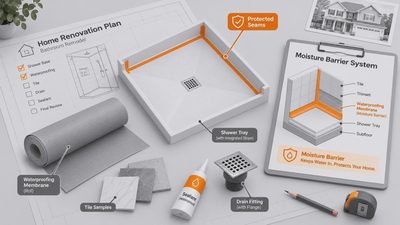
No. This is the answer I repeat most often when someone asks what is grout after finding a damp wall behind a shower. Grout can absorb some water, even when it is marketed as stain resistant or water resistant. The waterproof layer should be behind the tile, such as a properly installed sheet membrane, liquid-applied membrane, or approved waterproof backer system.
Think of the tile and grout as the shower's wearing surface, not its raincoat. Water will eventually find tiny gaps, fasteners, corners, and changes in material. A waterproof system directs that moisture toward the drain instead of into framing. Cement board by itself is not automatically waterproof, and plastic sheeting behind it has to be detailed correctly around penetrations and seams.
Sealing grout can reduce staining and make maintenance easier, but it does not turn a porous cement product into a waterproof pan. A penetrating sealer soaks into the material without leaving a thick surface film. Follow the product directions, allow fresh grout to cure, and do not seal epoxy grout unless its manufacturer specifically says to do so.
How to Repair or Replace Failed Grout
Small cracks in an otherwise sound installation can sometimes be removed and regrouted. Cut the old material out carefully with a grout saw or oscillating tool, removing at least most of the joint depth without chipping tile edges. Vacuum the dust, clean the joint, and use a matching replacement product. Do not smear new grout over cracked material and call it repaired; that is a cosmetic patch with a short lease on life.
If grout is crumbling across a shower, if tiles move when pressed, or if the wall behind the tile is swollen, stop treating it as a grout problem. The assembly may have failed behind the surface. Regrouting a leaking shower can cost $400 to $1,500 depending on access and area, while a proper tear-out and rebuild can run several thousand dollars. Spending money twice is the expensive version of patience.
For routine care, use a pH-neutral tile cleaner, a soft brush, and enough ventilation to let the shower dry. Skip bleach-heavy scrubbing as a regular habit; it can discolor some grout and does nothing to fix movement or waterproofing defects. Replace failed silicone at corners when it separates or develops gaps.
The Bottom Line on Grout
So, what is grout? It is the joint-filling material between tiles, available in cement, modified cement, epoxy, and premixed formulas. It protects tile edges and finishes the installation, but it is not structural adhesive and it is not the waterproofing layer. Pick the product for the joint width and location, mix it exactly as directed, pack the joints completely, and use flexible sealant at corners and transitions.
What is grout worth worrying about? Enough to buy a decent product and install it correctly, but not enough to panic over every tiny discoloration. Good tile work starts with a flat substrate, solid waterproofing, proper movement joints, and clean installation. Grout is the final link in that chain. Get the foundation wrong and no premium color will save the job; get the foundation right and dependable grout quietly does its job for years.

No notes yet — be the first to inscribe one.