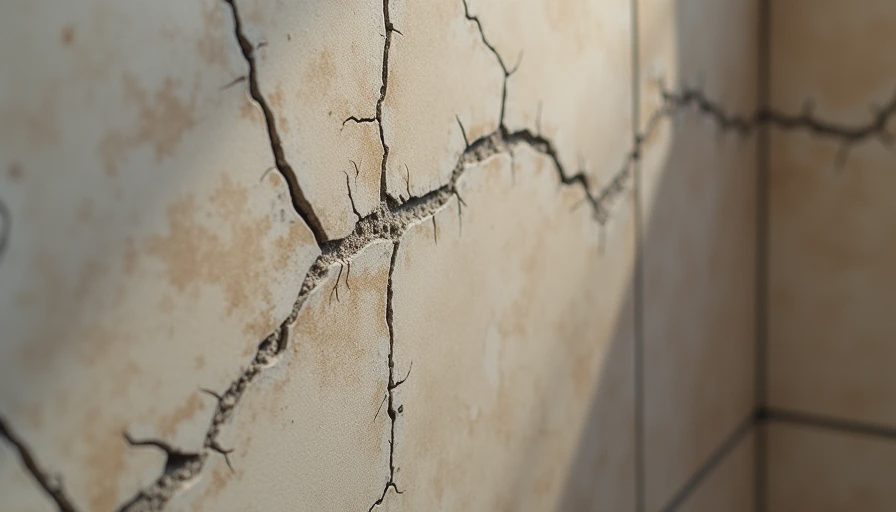
The Most Common Post-Job Complaint
“I just paid $8,000 for a new shower and the grout is already cracking.”
I hear variations of this all the time. Usually the tile still looks great, but those hairline cracks in the grout lines make the whole job look sloppy.
After fixing dozens of these issues, I can tell you that 90% of the time the problem started during installation.
A bathroom built right once is a bathroom you forget about. That’s the point. Cracking grout keeps reminding you that something went wrong.
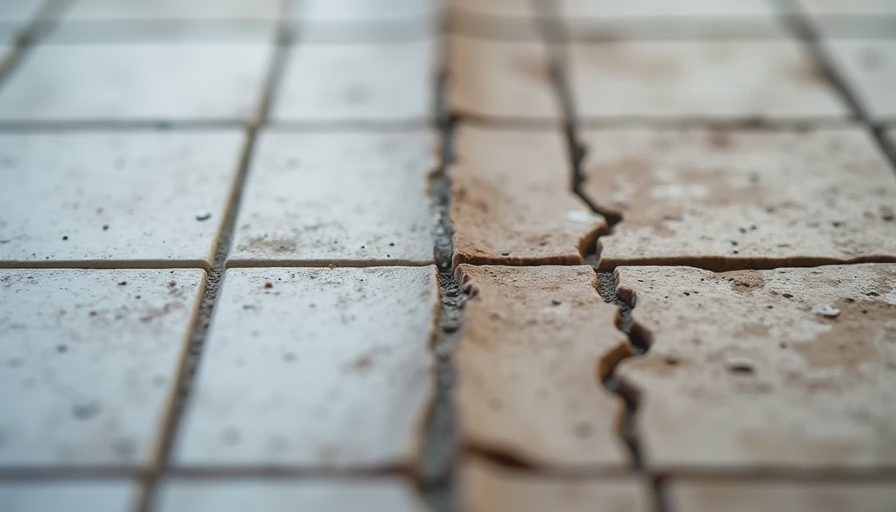
The Main Culprits
1. Movement in the Substrate
This is the biggest one. If the walls or floor flex even slightly, the grout will crack. Tile is rigid. Grout is supposed to be the flexible joint, but it can only handle so much.
Common causes:
Weak or bouncy subfloor
Green or improperly cured drywall
Poorly installed cement board
House settling
2. Wrong Grout Mix or Application
Too much water in the mix
Not enough curing time before use
Wrong type of grout for the application (unsanded vs sanded)
3. No Expansion Joints
Especially important on large floors or long wall runs. Tile needs room to move with temperature and humidity changes.
4. Poor Thinset Coverage
If the tile isn’t fully supported underneath, it can flex and crack the grout.
5. Cheap or Incorrect Grout
Some cheap grouts are simply more brittle.
How to Diagnose Your Cracking Grout
Hairline cracks at regular intervals → Usually movement or no expansion joints
Cracks only in the shower floor → Likely subfloor flex or bad pre-slope
Cracks appearing within weeks → Installation issue
Random wide cracks → Could be structural or impact damage
The Right Way to Fix It
For minor cracking:
Clean out the cracked grout carefully
Use a high-quality flexible grout or caulk in wet areas
Seal everything well
For major issues, you may need to remove tiles and fix the underlying problem (usually the substrate).
Prevention Tips for Your Next Job
Solid Prep — Make sure walls and floors don’t flex.
Use the Right Grout — Epoxy in showers is worth it.
Control Joints — Every 8–12 feet on floors, at inside corners.
Proper Curing — Don’t use the shower too soon.
Good Thinset — 100% coverage on the back of the tile.
Real Reader Question Example
A homeowner sent me photos last month. The grout was cracking in a perfect grid pattern on the shower floor. Classic sign of subfloor movement. We ended up reinforcing the joists and redoing the floor properly. Fixed for good.
My Bottom Line
Cracking grout is almost always a symptom of a deeper installation problem. Fix the cause, not just the symptom.
If you’re about to start a tile project, spend the extra time and money on proper prep. Your grout lines will thank you for years to come.
Got photos of your cracking grout? Send them my way (or describe the pattern) and I’ll tell you what I think went wrong.
No notes yet — be the first to inscribe one.